

Facebook Was Never Just a Social Media App
Most people see Facebook as a social media platform.
A place for photos, messages, memes, birthdays, and online conversations.
But behind the blue interface that billions of people opened daily was something much bigger:
One of the most influential startup stories in modern technology history.
Because Facebook was never built only to help people post online.
It quietly changed how humans communicate on the internet itself.
---
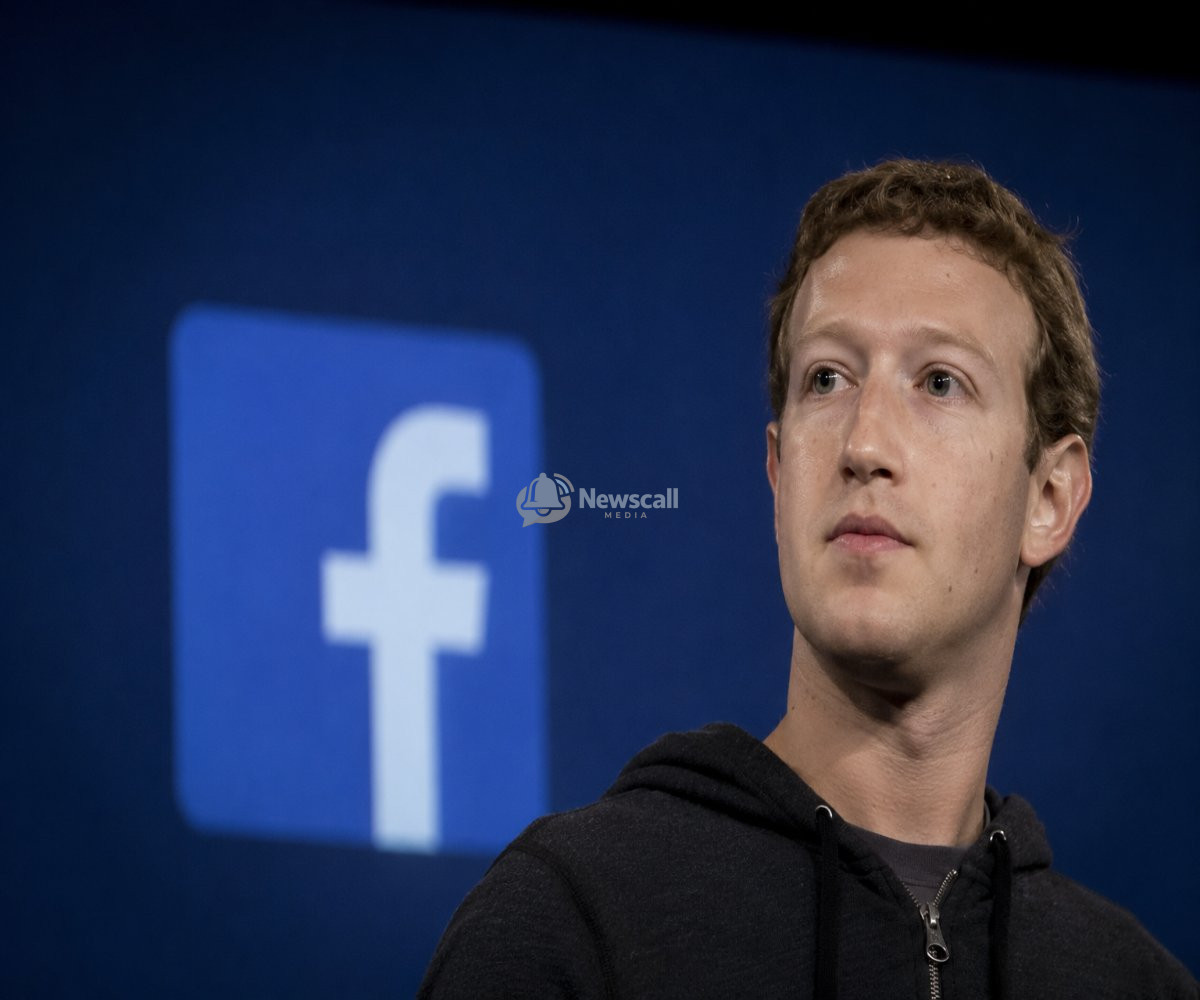
When Mark Zuckerberg started Facebook from a Harvard dorm room in 2004, the internet looked very different.
Social media barely resembled what it is today.
Platforms were fragmented. Online identity felt temporary. Digital communities were smaller and less connected.
Facebook introduced something powerful:
A real digital identity connected to real people.
That idea transformed the internet permanently.
---
At first, Facebook looked like a simple student networking project.
But beneath the surface, the company understood something many startups later realized too:
Technology becomes powerful when it taps into human behavior.
People naturally want:
- connection
- attention
- belonging
- communication
- recognition
- community
Facebook scaled because it amplified those human instincts globally through software.
---
The company’s growth became one of the fastest in startup history.
What began inside a university environment expanded into a global infrastructure platform connecting billions of users across countries, cultures, and industries.
Over time, Facebook evolved far beyond social networking.
The company expanded into:
- digital advertising
- messaging systems
- virtual reality
- creator economies
- AI infrastructure
- online communities
- business tools
Eventually, Facebook’s parent company rebranded into Meta — signaling ambitions beyond traditional social media.
---
But perhaps the most important part of Facebook’s story is not the platform itself.
It is the startup lesson behind it.
Facebook proved that some of the most powerful technology companies are not built around complicated inventions.
They are built around understanding people deeply.
The platform succeeded because it understood:
- how humans interact
- how attention works
- how communities grow
- how digital behavior spreads
That understanding became one of the company’s greatest competitive advantages.
---
At the same time, Facebook’s rise also introduced difficult conversations around:
- privacy
- digital addiction
- misinformation
- algorithmic influence
- online culture
- user attention
The same systems that connected billions of people also revealed how powerful internet platforms could become socially and politically.
---
Today, Facebook’s story feels larger than one startup.
It represents the beginning of the modern social internet era.
An era where platforms no longer simply host communication…
But actively shape how billions of people experience the digital world daily.
And whether admired or criticized, Facebook remains one of the clearest examples of how a small startup idea can eventually reshape global human behavior itself.

Victor Oluebubechukwu Akuma.
Creative writer