How Subscription Models Quietly Took Over the Internet
The internet once revolved around ownership.
People bought software once, downloaded music permanently, purchased movies physically, and paid for products upfront. Digital services were often treated like one-time transactions.
Today, the internet operates very differently.
Subscriptions have quietly become one of the dominant business models powering modern technology companies.
From entertainment and software to cloud storage, productivity tools, fitness apps, and even AI platforms, users increasingly pay continuously rather than once.
And that shift has transformed how the digital economy works.
---
Subscription systems became popular because they create predictable recurring revenue for businesses.
Instead of relying on occasional purchases, companies now generate steady monthly or yearly income from users who remain connected to their platforms long-term.
This model allows businesses to:
- forecast revenue more accurately
- scale operations more consistently
- improve customer retention
- fund continuous product updates
For many startups, subscriptions create more stability than traditional one-time sales.
---
The software industry helped accelerate this transformation.
Companies that once sold software as downloadable products gradually moved toward cloud-based subscription services instead.
Products from companies like Adobe, Microsoft, and Netflix helped normalize the idea of paying continuously for digital access rather than permanent ownership.
That model soon spread across much of the internet economy.
---
Streaming platforms changed entertainment consumption dramatically.
Instead of purchasing individual albums or movies, users now access massive content libraries through recurring subscriptions.
The same pattern expanded into:
- cloud storage
- productivity software
- gaming services
- online education
- creator platforms
- cybersecurity tools
- AI systems
The internet increasingly shifted from ownership toward access.
---
One reason subscription models became so effective is convenience.
Users receive:
- automatic updates
- cloud synchronization
- continuous improvements
- cross-device access
- lower upfront costs
This often feels easier than managing large one-time purchases.
At the same time, subscriptions also keep users tied closely to digital ecosystems over long periods.
---
But the rise of subscriptions has also created new concerns.
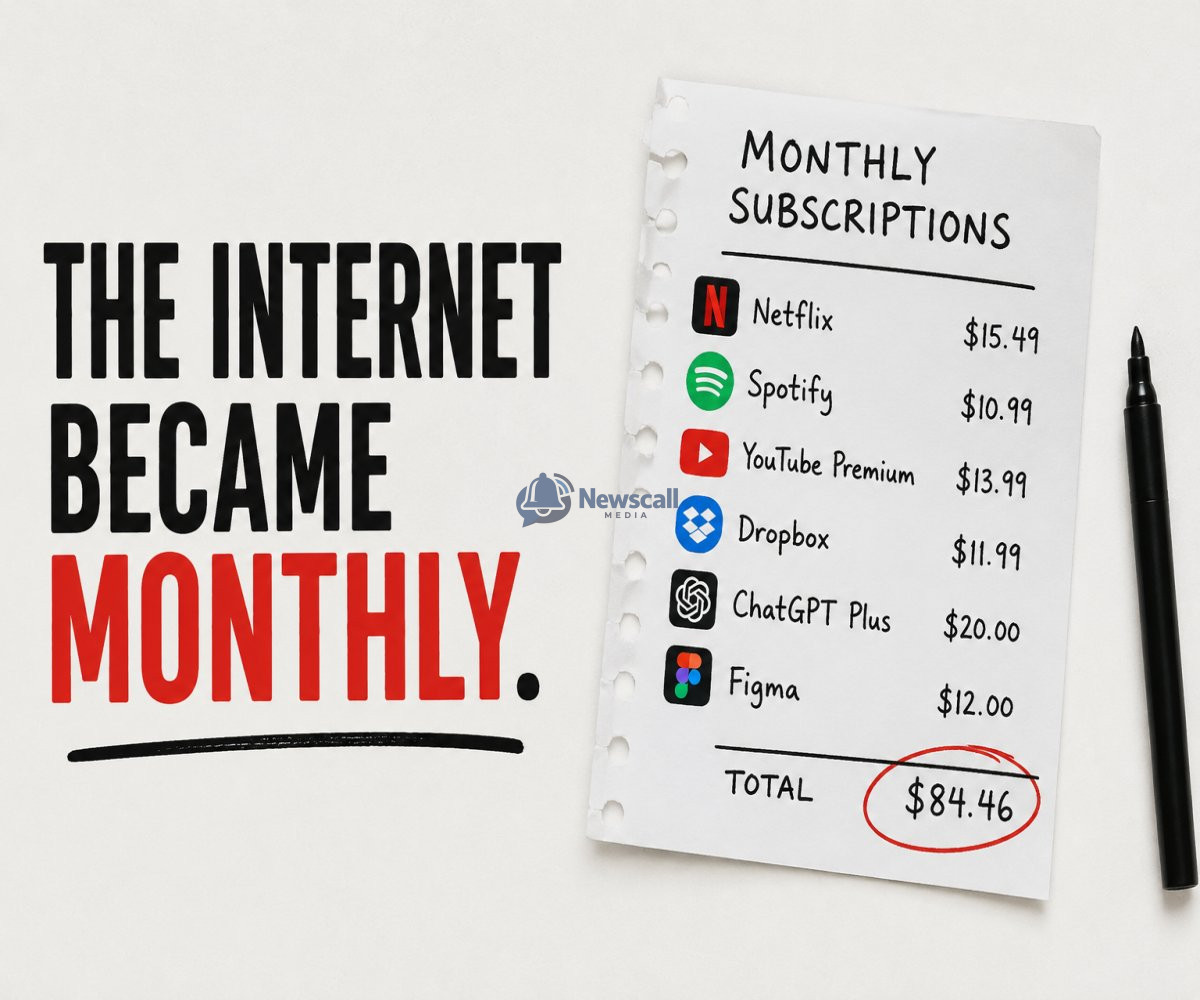
Many users now manage dozens of recurring payments across multiple platforms, leading to what some call “subscription fatigue.”
As more services adopt recurring payment systems, people increasingly question:
- how many subscriptions are truly necessary
- whether digital ownership is disappearing
- how dependent users are becoming on platform ecosystems
The modern internet is becoming increasingly rented rather than owned.
---
For startups and technology companies, however, subscriptions remain extremely attractive.
Recurring revenue creates long-term business predictability, which investors often value heavily.
This is one reason subscription-based businesses continue expanding rapidly across the global digital economy.
---
The broader transformation is that the internet is no longer built mainly around products people buy once.
It is increasingly built around ongoing digital relationships between platforms and users.
And over time, subscription systems may become one of the defining economic structures shaping the future of modern technology itself.

Victor Oluebubechukwu Akuma.
Creative writer