


Flying Cars Are Coming: Hype or Reality?
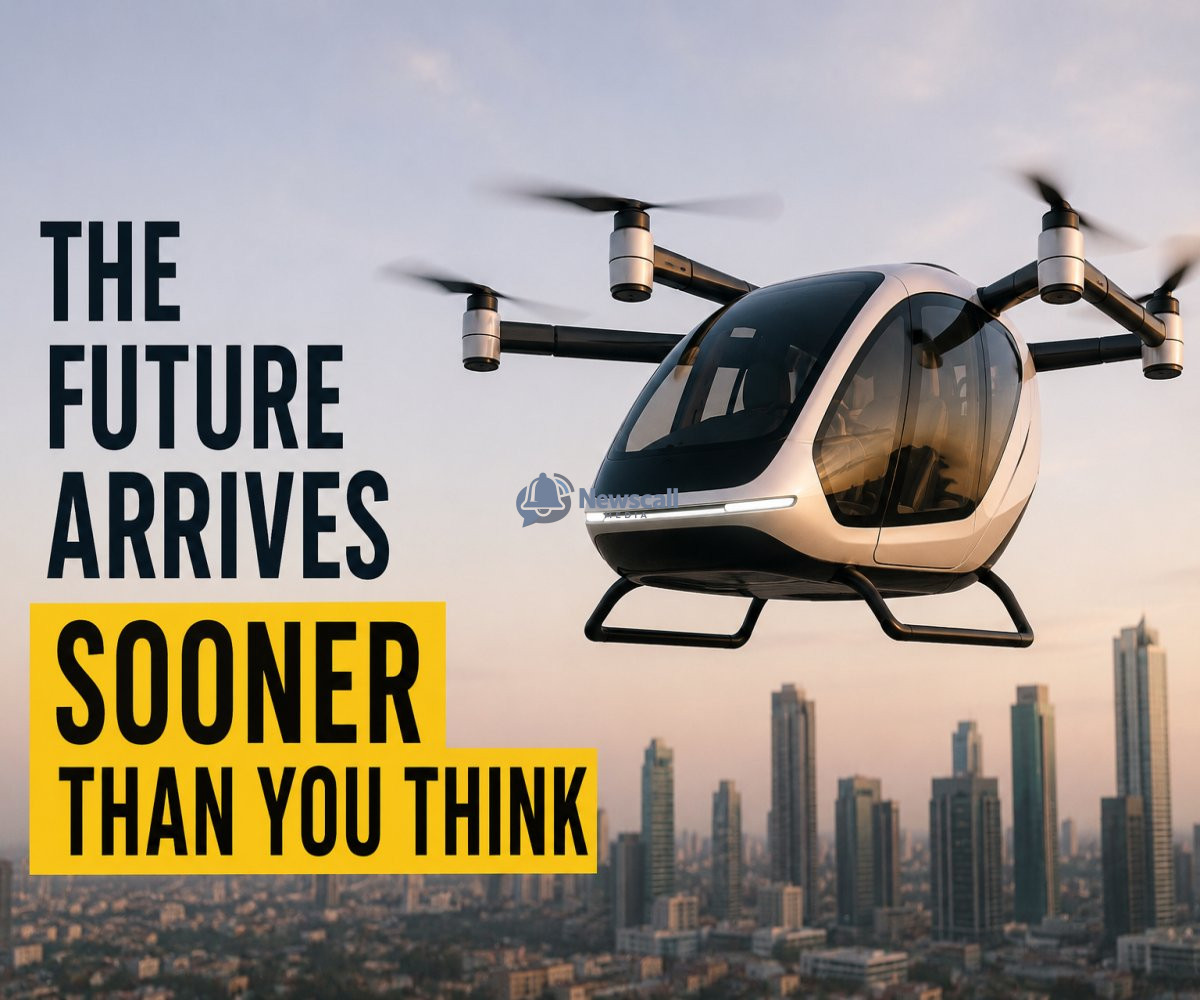
For generations, flying cars have represented the ultimate vision of the future.
From science fiction movies to futuristic city concepts, people have imagined a world where traffic jams are replaced by vehicles soaring through the sky. It became one of technology's most enduring promises—a symbol of innovation that always seemed just out of reach.
Yet something interesting is happening.
What was once dismissed as fantasy is now attracting billions of dollars in investment, drawing attention from major aerospace companies, startups, and governments around the world. Engineers are actively testing aircraft that look remarkably similar to the flying cars imagined decades ago.
The question is no longer whether someone can build a flying car.
The question is whether these vehicles can become a practical part of everyday transportation.
Recent advances in battery technology, electric propulsion systems, and autonomous navigation have brought the concept closer to reality than ever before. Many modern prototypes are capable of vertical takeoff and landing, allowing them to operate without traditional runways.
This is a significant breakthrough.
Unlike conventional aircraft, these vehicles could potentially operate from rooftops, designated landing zones, or specialized urban transportation hubs. In theory, they could dramatically reduce travel times in crowded cities and create entirely new transportation networks.
The appeal is obvious.
Imagine turning a two-hour commute into a twenty-minute flight. Imagine emergency services reaching critical locations faster than ever before. Imagine connecting remote communities without the need for extensive road infrastructure.
The possibilities are compelling.
However, building a flying vehicle is only part of the challenge.
The larger obstacle lies in creating the ecosystem required to support it.
Roads are relatively simple. The sky is not.
Flying cars would require sophisticated air traffic management systems capable of coordinating potentially thousands of vehicles simultaneously. Safety regulations would need to be developed and enforced. Infrastructure would have to be built. Governments would need to determine licensing requirements, operational rules, and emergency protocols.
Public trust also remains a major factor.
People may be comfortable boarding commercial airplanes because the aviation industry has spent decades establishing safety standards. Convincing consumers to fly over cities in small personal aircraft presents a different challenge entirely.
Cost presents another hurdle.
Many of today's flying vehicle prototypes are expensive to manufacture and operate. While prices may decline over time, widespread adoption will depend on making the technology accessible to ordinary consumers rather than a small group of enthusiasts or businesses.
This is where expectations often clash with reality.
History shows that groundbreaking technologies rarely arrive as quickly as predicted. The internet, smartphones, electric vehicles, and artificial intelligence all took years—sometimes decades—to move from innovation to mass adoption.
Flying cars are likely to follow a similar path.
The first widespread applications may not involve personal transportation at all. Businesses could use aerial vehicles for logistics, medical transport, emergency response, or premium urban mobility services before they become available to everyday drivers.
In many ways, the future of flying cars may look different from what people originally imagined.
Instead of every household owning one, cities may operate networks of autonomous air taxis that transport passengers on demand. Rather than replacing traditional vehicles entirely, they may complement existing transportation systems.
That future may arrive sooner than many expect.
The technology is advancing. Investments are increasing. Prototypes are improving. Regulatory discussions are already underway in multiple countries.
Flying cars are no longer science fiction.
But neither are they about to fill the skies next year.
The most realistic answer lies somewhere between hype and reality. The dream is becoming technically possible, yet practical challenges remain significant.
For now, the future of transportation is still being written.
And for the first time in a long time, flying cars have a genuine chance of being part of the story.

Victor Oluebubechukwu Akuma.
Creative writer