The Billion-Dollar Industry Most People Have Never Heard Of
When people think about billion-dollar industries, the usual names come to mind.
Artificial intelligence. Electric vehicles. Social media. Smartphones. Cloud computing.
These sectors dominate headlines, attract investors, and generate endless discussion online. Yet some of the world's fastest-growing industries operate almost entirely behind the scenes, quietly generating billions while remaining largely invisible to the public.
One of the most fascinating examples is the data center industry.
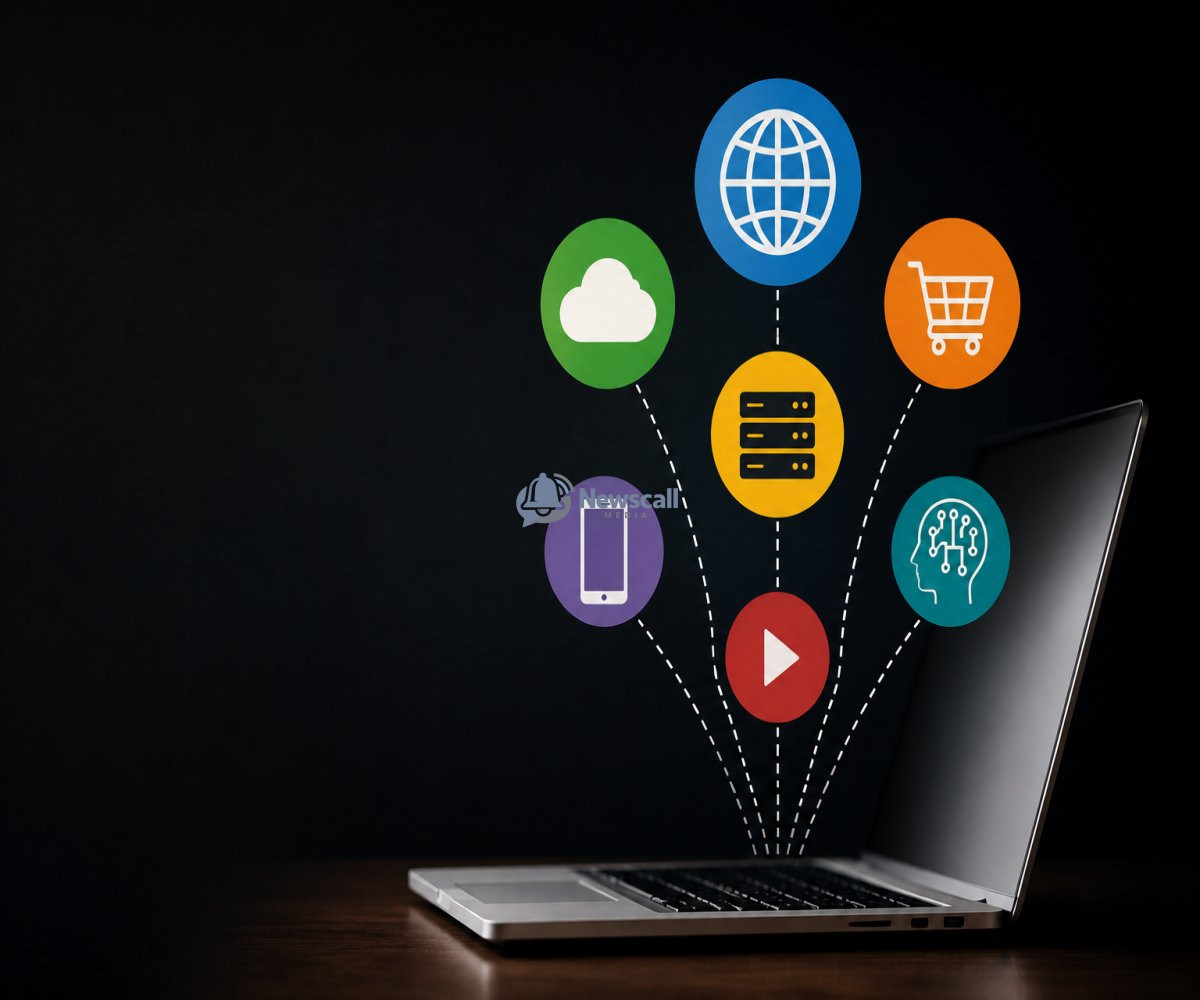
Most people interact with the internet every day without ever considering where websites, apps, videos, and cloud services actually live. Behind every online search, video stream, banking transaction, and AI request lies a vast network of physical facilities packed with servers.
These facilities are known as data centers.
While they rarely receive mainstream attention, data centers have become one of the most critical pieces of modern infrastructure. In many ways, they are the factories of the digital economy.
Every photo uploaded to the cloud, every message sent through a social media platform, and every AI-generated response depends on them.
As digital activity continues to expand, so does the demand for data storage and processing power. Businesses are generating more information than ever before. Streaming services are serving billions of hours of content. Artificial intelligence systems require enormous computing resources.
All of this activity needs a home.
The result is an industry experiencing explosive growth.
Major technology companies are investing billions of dollars into building larger and more advanced facilities. Entire regions are competing to attract data center developments because of the economic opportunities they create.
Yet despite their importance, most consumers remain unaware of their existence.
This pattern appears throughout the modern economy.
Some of the largest opportunities are found not in products people use directly, but in the systems that make those products possible. Industries that provide infrastructure often receive less attention than the companies built on top of them, even when their impact is equally significant.
History offers countless examples.
The companies that supplied equipment during industrial revolutions often became just as important as the manufacturers themselves. The businesses that built railroads transformed economies. The firms that created internet infrastructure helped shape the digital age.
Today's hidden industries are playing a similar role.
Cybersecurity is another example. As businesses become increasingly digital, protecting information has become a multi-billion-dollar necessity. Most people only think about cybersecurity when something goes wrong, yet companies around the world spend enormous resources defending against threats every day.
The same can be said for semiconductor manufacturing.
Modern life depends on tiny computer chips found in smartphones, vehicles, medical equipment, gaming systems, and countless other devices. Despite their importance, many consumers rarely think about the complex industry responsible for producing them.
The most interesting opportunities often exist where visibility is low and demand is high.
Investors, entrepreneurs, and innovators frequently search for industries that solve essential problems without attracting excessive attention. These sectors may lack the glamour of consumer-facing technology, but they often benefit from strong long-term growth and increasing relevance.
The rise of artificial intelligence is making this trend even more apparent.
While AI applications capture public attention, the supporting industries powering them—data centers, advanced processors, cloud infrastructure, and energy systems—are experiencing unprecedented demand behind the scenes.
In many cases, the biggest winners of a technological revolution are not always the companies people see every day.
They are the businesses building the foundation beneath it.
The next billion-dollar opportunity may not be the latest app, social platform, or consumer gadget.
It could be the industry quietly enabling them all.
And chances are, most people have never heard of it.

Victor Oluebubechukwu Akuma.
Creative writer