

From Air Mattresses to a Global Empire: The Airbnb Rejection Story
Before it became a global platform, Airbnb was an idea most people didn’t take seriously.
The concept sounded simple—almost strange.
Let strangers stay in your home.
Sleep in someone else’s space.
Trust people you’ve never met.
At the time, it didn’t feel like a business. It felt like a risk.
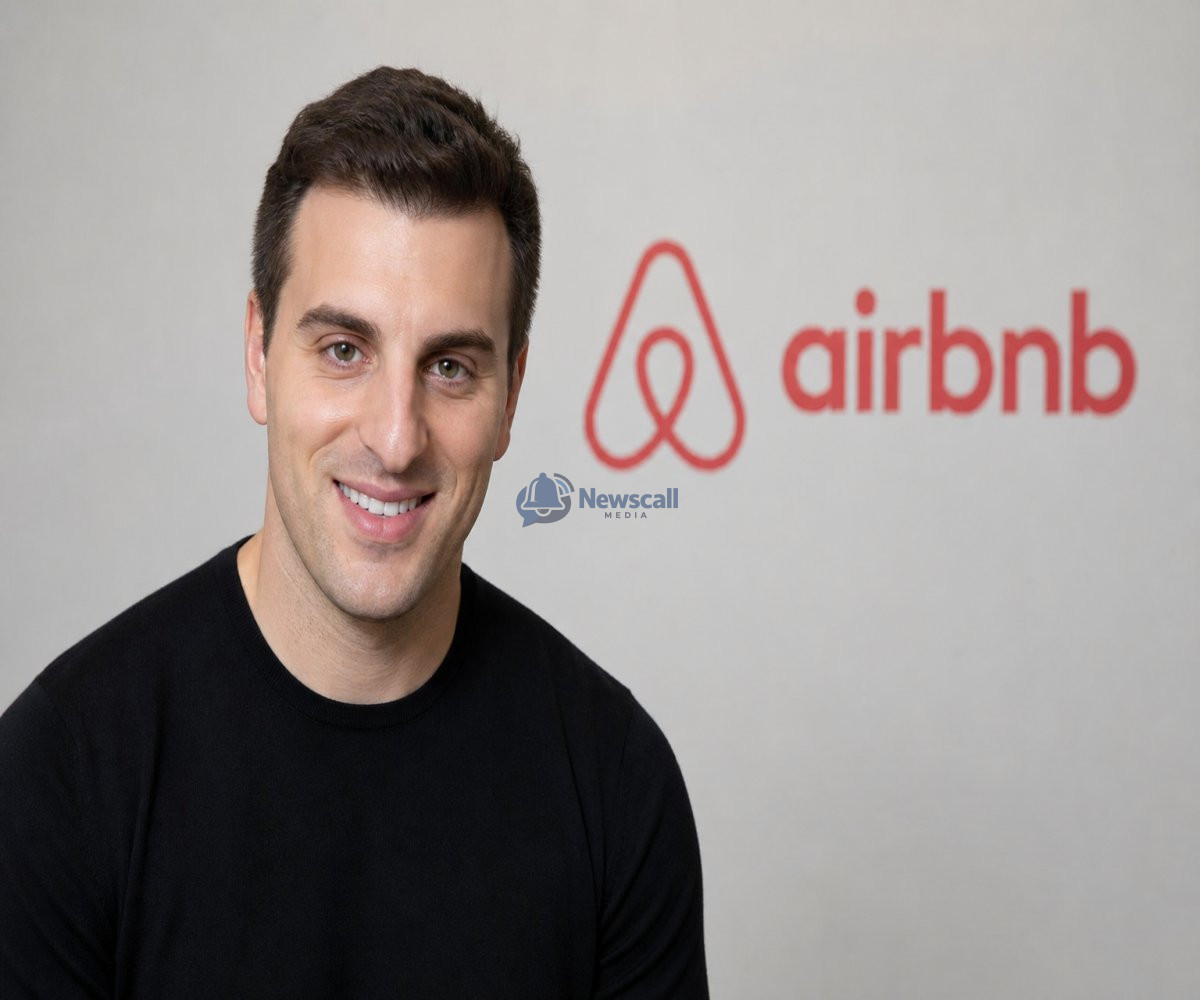
For Brian Chesky and his co-founders, the idea wasn’t born from ambition—it came from necessity. They couldn’t afford their rent in San Francisco, so they improvised.
They bought a few air mattresses, built a basic website, and offered a place to stay for people attending a design conference.
It wasn’t polished.
It wasn’t scalable.
But it worked—just enough to prove that someone, somewhere, was willing to try it.
That small moment became the beginning.
But turning that experiment into a real company? That’s where the real story begins.
Investors didn’t believe in it.
The idea of staying in a stranger’s home felt unsafe. The market seemed too small. The business model looked unreliable. One rejection turned into dozens.
Most founders would have stopped there.
They didn’t.
“It wasn’t that the idea was perfect — it was that they kept going when no one believed in it.”
Instead of walking away, they leaned in. They refined the experience, built trust into the platform, and paid close attention to how people actually behaved.
Still, progress was slow.
At one point, they were so short on money they had to get creative just to survive. During the U.S. election season, they designed and sold limited-edition cereal boxes—Obama O’s and Cap’n McCain’s—not as a clever brand stunt, but as a lifeline.
It wasn’t glamorous.
It wasn’t scalable.
But it kept them alive.
What changed wasn’t luck.
It was persistence—paired with clarity over time.
As more people tried the platform, something shifted. Trust began to build. Hosts listed their spaces. Guests made bookings. What once felt unfamiliar slowly became normal.
The idea that sounded risky started to make sense.
And then, it started to grow.
Over time, Airbnb didn’t just expand—it reshaped how people travel.
Homes became hotels.
Spare rooms became income.
Everyday spaces became part of a global marketplace.
Today, Airbnb operates in thousands of cities worldwide and is valued in the tens of billions.
What started with air mattresses on a living room floor became one of the most recognized platforms in the world.
And at the center of it was Brian Chesky—a founder who kept building when the idea looked uncertain, impractical, and easy to dismiss.
Because the turning point wasn’t when people finally said yes.
It was when they decided that the repeated no’s wouldn’t be the end of the story.
Most ideas don’t fail instantly.
They fade when belief runs out.
This one didn’t.

Victor Oluebubechukwu Akuma.
Creative writer