

China Goes Tariff-Free for Almost All of Africa: A Strategic Move or Limited Boost?
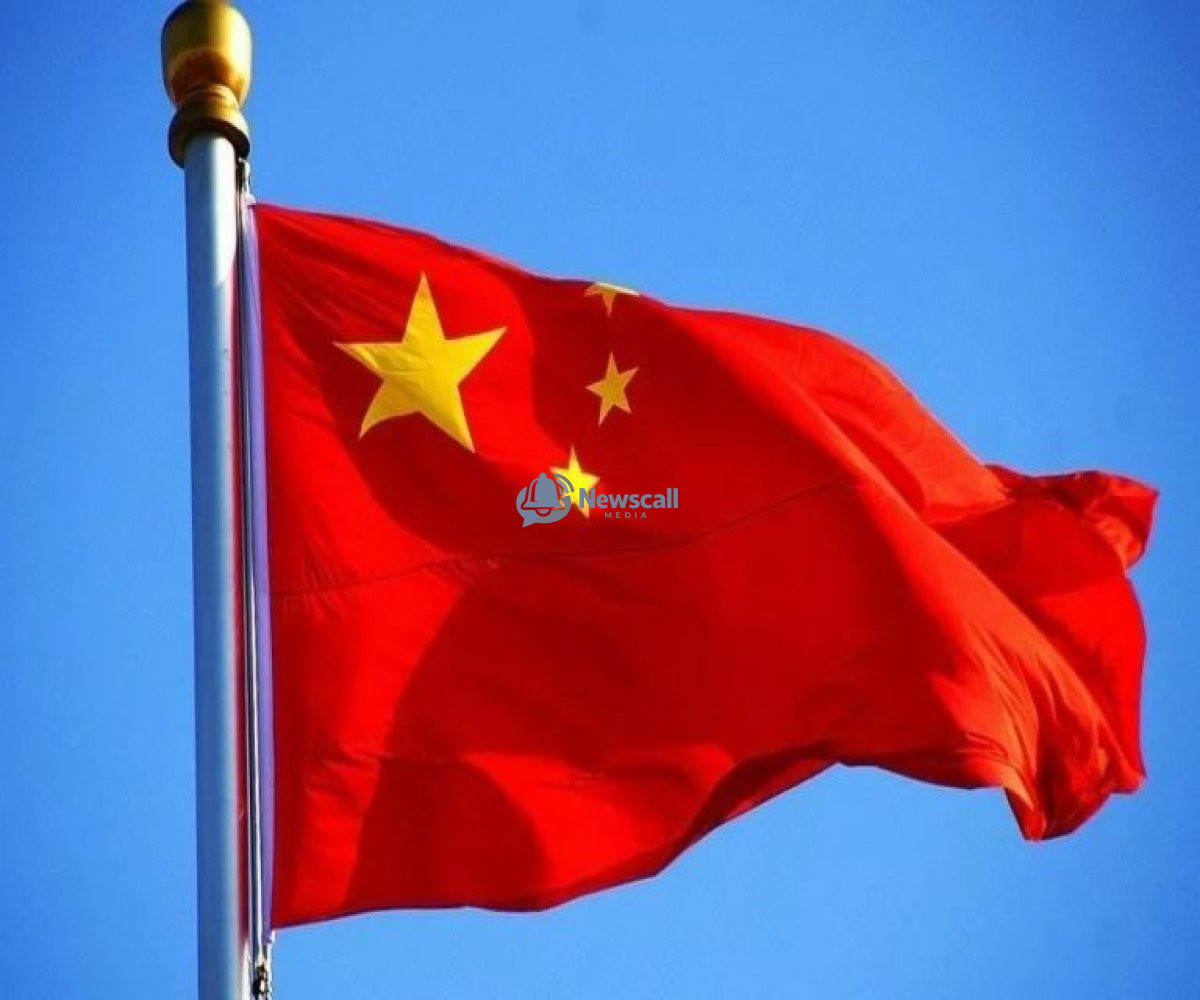
China has taken a major step by removing tariffs on imports from nearly every African country, with the sole exception of Eswatini, which continues to maintain diplomatic ties with Taiwan.
As of late 2024, Beijing had already granted duty-free access to 33 of Africa’s least-developed nations. That policy has now been expanded to cover all 53 eligible African countries and will remain in effect until April 30, 2028. China is proudly calling itself the first major economy to offer this kind of unilateral zero-tariff treatment to the entire continent.
The move is being seen as a clear play for greater soft power and influence. Analysts note that Beijing is positioning itself as the friendly, open-trade partner for Africa at a time when the United States under Donald Trump had imposed tariffs of up to 30% on some African nations (most of which have since been reduced to 10%).
Lauren Johnston, a senior research fellow at the AustChina Institute, points out that this could particularly help boost African agricultural exports. Higher exports, she says, have the potential to raise rural incomes, improve productivity, and contribute to reducing hunger and poverty across the continent.
The Catch: A Deepening Trade Imbalance
However, the reality of China-Africa trade tells a more complicated story. Africa runs a massive and growing trade deficit with China. Last year, that deficit jumped 65% to around $102 billion. While Africa mostly sells raw materials — crude oil, metallic ores, cobalt, and other minerals — to China, it imports far more manufactured goods in return.
China’s biggest trading partners in the region remain Angola (driven heavily by oil), the Democratic Republic of Congo, and South Africa.
Experts warn that the benefits of zero tariffs will likely be uneven. More industrialized economies like South Africa and Morocco are better placed to ramp up exports and take real advantage of the policy. Less developed countries with limited industrial capacity may see only modest gains.
Alfred Schipke of the East Asian Institute in Singapore believes the short-term economic impact will be “modest and concentrated” in nations that already have some export muscle.
Political analyst Jervin Naidoo from Oxford Economics Africa adds that tariff removal alone cannot solve Africa’s deeper problems: weak infrastructure, poor logistics, limited industrial capacity, and over-reliance on raw commodity exports.
In short, while China’s zero-tariff policy is a symbolically powerful and generous-looking gesture, many analysts believe it is only one small piece of a much larger puzzle needed for Africa to truly benefit from trade with the world’s second-largest economy.

Umeanozie Prosper
Writer, Novelist,blogger, content creator