


From Fuel Importer to Regional Supplier: Nigeria Exports N105.5bn Petrol to Togo as Dangote Refinery Reshapes West Africa’s Energy Trade.
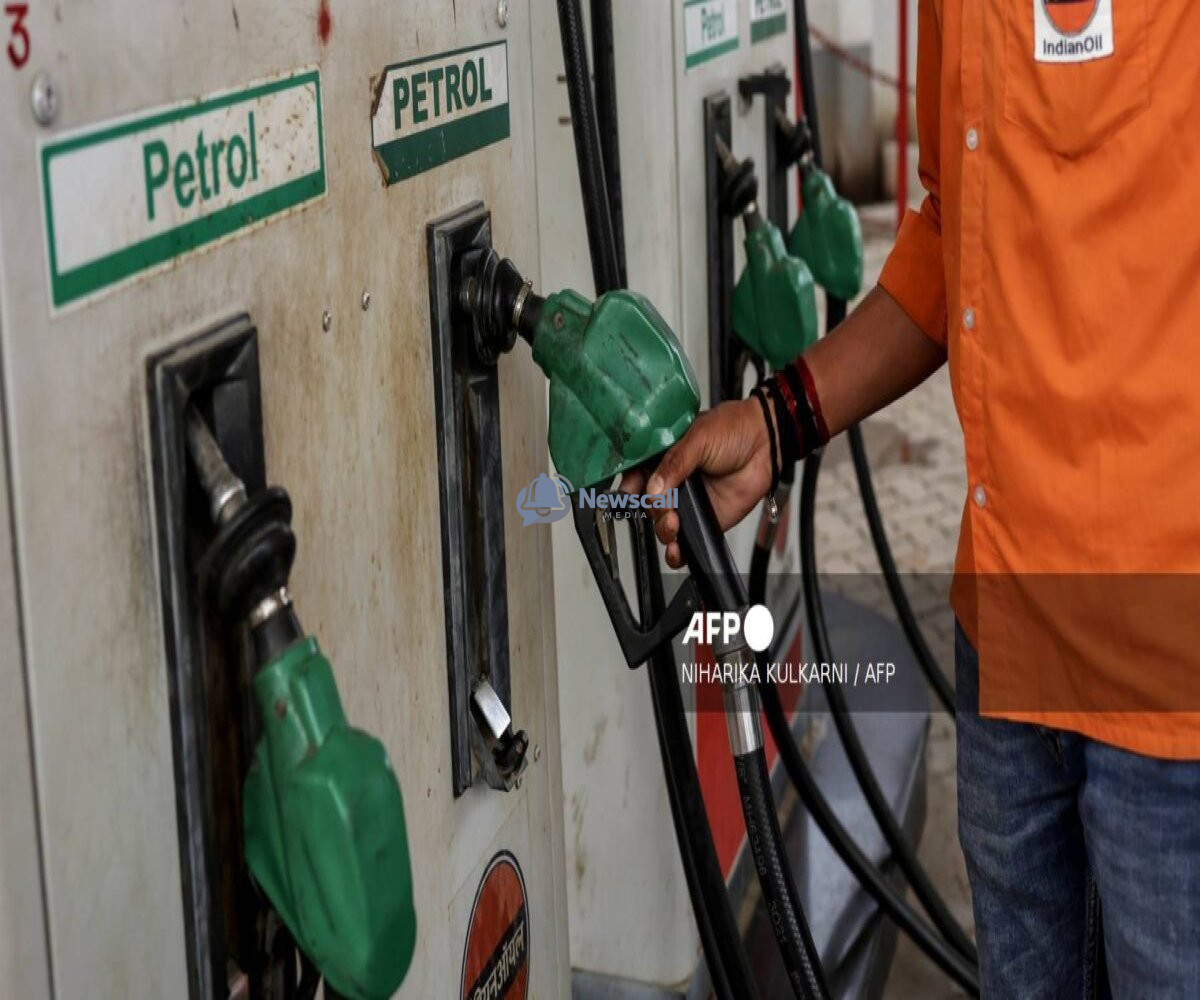
For decades, Nigeria was known as one of the world's largest crude oil producers that paradoxically relied heavily on imported petrol to meet domestic demand. Today, that narrative is rapidly changing.
Fresh trade data has revealed that Nigeria exported Premium Motor Spirit (PMS), popularly known as petrol, worth N105.5 billion to Togo in the first quarter of 2026, underscoring the country's growing influence in the regional petroleum market and highlighting the transformative impact of the Dangote Petroleum Refinery on West Africa's energy landscape.
According to the National Bureau of Statistics' Foreign Trade Statistics Report for the first quarter of 2026, petrol emerged as one of Nigeria's major petroleum exports to Togo, marking a significant milestone for a country that only a few years ago depended almost entirely on fuel imports due to inadequate refining capacity.
The report showed that Nigeria exported ordinary motor spirit valued at N105.50 billion to Togo during the review period. The figure forms part of a broader surge in petroleum exports to the neighbouring West African nation, reflecting the increasing competitiveness of locally refined products in regional markets.
Beyond petrol, gas oil exports to Togo reached N278.36 billion, while kerosene-type jet fuel exports were valued at N273.18 billion. Crude petroleum oil shipments stood at N220.14 billion, while partially refined petroleum products generated N89.83 billion in export earnings.
The development represents a remarkable turnaround for Nigeria's downstream petroleum sector. In recent years, the country spent billions of dollars importing refined petroleum products to bridge domestic supply gaps. Official trade figures show that Nigeria imported approximately $117 million worth of petroleum oils and refined fuel products from Togo in 2023, while imports remained between $72 million and $77 million in 2024.
The latest export figures indicate that Nigeria is steadily transitioning from a major fuel-importing nation into a regional supplier of refined petroleum products, largely driven by the operational expansion of the 650,000-barrel-per-day Dangote Petroleum Refinery.
Industry analysts say the refinery's growing output has significantly altered fuel trade patterns across West Africa, with products refined in Nigeria increasingly finding their way into neighbouring markets.
Interestingly, the rise in exports comes amid revelations that Nigerian fuel marketers are also re-importing petroleum products refined by Dangote through Togo's offshore ship-to-ship trading hub in Lomé, a development that highlights the complexity of regional fuel logistics.
Speaking during a webinar organised by the Major Energies Marketers Association of Nigeria, an official of S&P Global Commodity Insights, Matthew Tracey-Cook, disclosed that Dangote-produced fuel now dominates a significant share of petroleum products moving across West African waters and returning to Nigeria.
According to Tracey-Cook, fuel refined at the Dangote facility is increasingly being shipped to Lomé before being redistributed across the region, including back into Nigeria.
“Dangote volumes on a coastal basis do arrive back in Lagos from Lomé. Over the last six months, if you look at the volume of products on a waterborne basis that’s imported directly into Nigeria, Dangote production has become increasingly dominant,” he said.
He further revealed that between March and May this year, more than 70 to 80 per cent of petroleum products imported into Nigeria via water transport originated from Dangote refinery output that had been routed through coastal trading channels.
“For several months, from March until May, we saw well over 70 to 80 per cent of the volumes that were imported into Nigeria actually originated from Dangote; from their coastal Dangote volumes which were re-imported,” he stated.
The trend, he noted, is also becoming evident in the diesel market, demonstrating the refinery's growing influence on petroleum supply chains across the sub-region.
Despite the increasing volume of direct deliveries from the refinery, Tracey-Cook explained that Lomé remains a critical logistics hub for petroleum distribution in West Africa.
He said the offshore facility allows larger tankers to discharge cargoes before transferring products to smaller vessels capable of accessing ports with limited draft capacity across the region.
“Lomé has become an increasingly important transshipment hub for filling regional shortages across the region. It serves an important purpose, given that many ports in West Africa don’t have the capacity to take a fully laden medium-range vessel,” he explained.
The NBS report also highlighted Côte d’Ivoire as another major destination for Nigerian petroleum exports during the quarter. The country received substantial shipments of crude petroleum oils, gas oil and ordinary motor spirit, further strengthening Nigeria's position as an emerging energy supplier to West African markets.
As production from the Dangote Refinery continues to increase and regional demand for refined petroleum products grows, industry observers believe Nigeria is on course to become a dominant fuel exporting hub in Africa an achievement that would have seemed unlikely just a few years ago when the nation was grappling with chronic fuel shortages and a heavy dependence on imported petrol.
The latest figures therefore signal more than just rising export earnings; they represent a fundamental shift in Nigeria's energy story from a nation reliant on foreign refiners to one increasingly powering the fuel needs of its neighbours.

Anozie Chiemerie Emmanuel
Writer