

Google Wants to Make Gemini More Efficient With a New AI Chip
The race to build better artificial intelligence has largely focused on one thing.
Bigger models.
More parameters.
More data.
More computing power.
But Google may be preparing to compete on an entirely different battlefield.
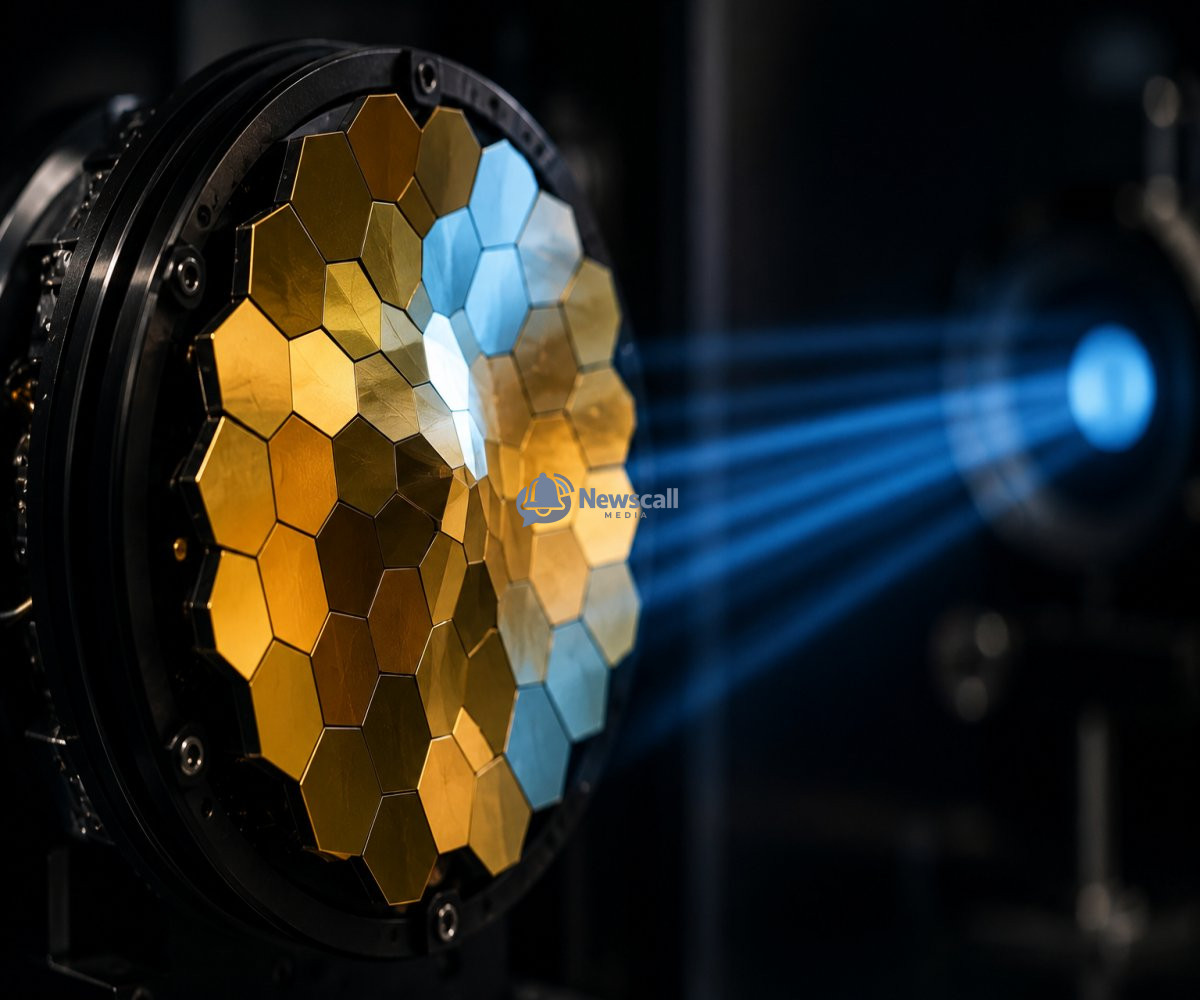
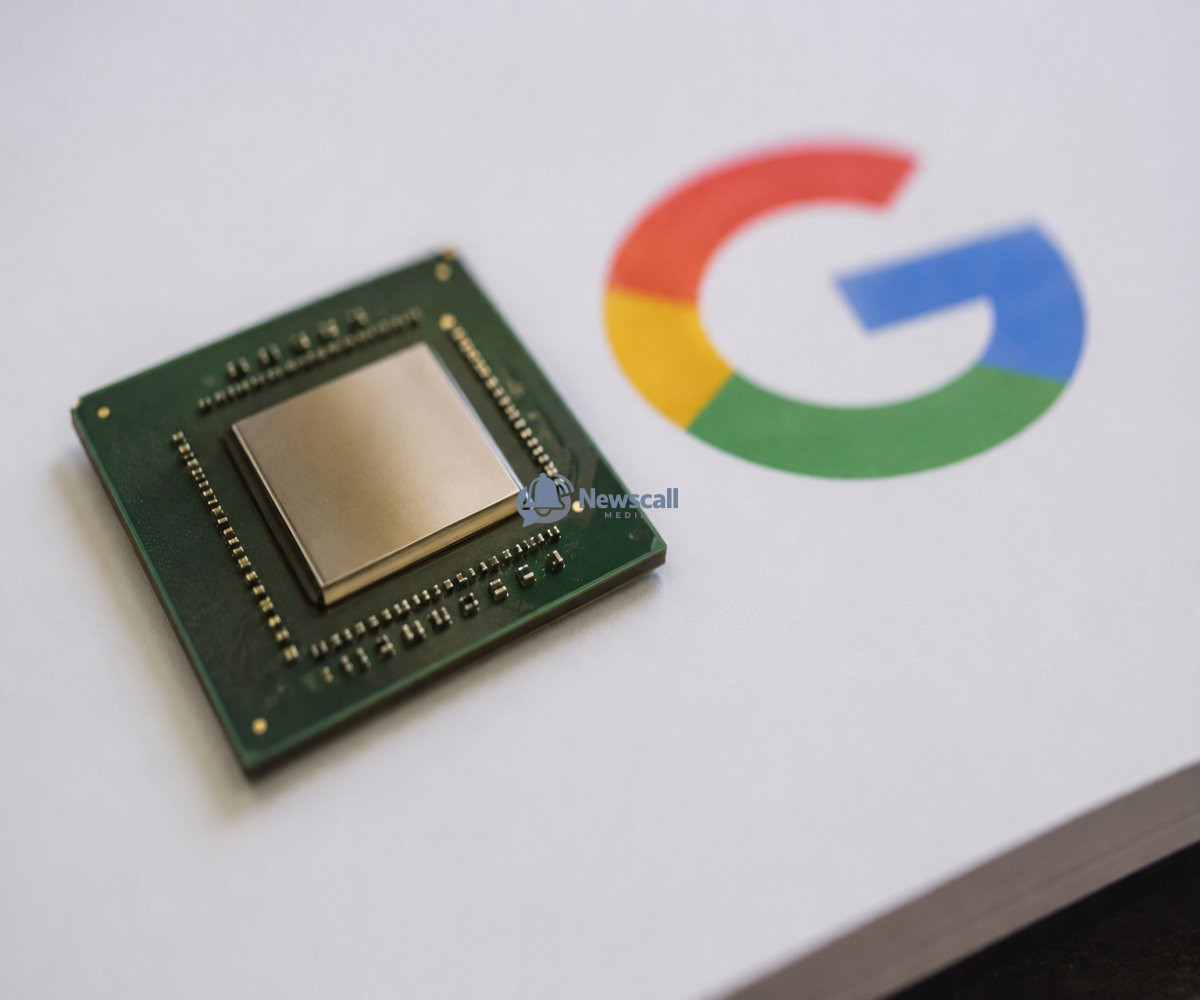
According to recent reports, the company is developing a new AI server chip, internally codenamed "Frozen v2," designed specifically to run its Gemini AI models more efficiently. Rather than relying solely on general-purpose AI processors, the new chip would integrate parts of Gemini's architecture directly into the hardware itself.
It may sound like a subtle engineering change.
In reality, it could represent one of the biggest shifts in AI infrastructure since custom AI chips first entered the industry.
Today's AI models typically run on powerful processors capable of handling many different workloads. These chips are flexible, but flexibility comes at a cost.
Imagine buying a multi-purpose toolbox when all you ever need is a single screwdriver.
The toolbox can certainly do the job, but it's larger, more expensive, and less efficient than a tool designed for one specific task.
Google appears to be applying the same logic to Gemini.
Instead of building hardware that can run almost any AI model, reports suggest the company wants hardware optimized specifically for its own. By embedding aspects of Gemini's design into the chip, Google could dramatically reduce the amount of power and computing resources needed to generate responses.
Efficiency has quietly become one of the most important challenges in artificial intelligence.
Every question asked to an AI chatbot consumes computing power.
Multiply that by hundreds of millions of users asking billions of questions every day, and the energy requirements become enormous.
Running advanced AI models isn't just technically demanding.
It's expensive.
Companies now spend billions of dollars building data centers filled with specialized processors capable of handling these workloads.
Reducing the cost of each AI response, even by a small amount, can translate into massive long-term savings.
That's why hardware is becoming just as important as software.
According to reports, Google's new chip could be six to ten times more power-efficient than its latest custom AI hardware when measured by the number of AI tokens generated per unit of energy. If those figures prove accurate, the impact would extend far beyond electricity bills. Faster responses, lower operating costs, and greater AI capacity could all follow.
The reported project also highlights a broader trend unfolding across the AI industry.
For years, companies competed primarily by developing better models.
Now they're increasingly competing by designing the hardware those models run on.
Google has spent years developing its own Tensor Processing Units (TPUs) for artificial intelligence, while companies like NVIDIA have become dominant suppliers of AI chips worldwide.
Rather than replacing its TPUs, reports indicate that "Frozen v2" would exist alongside them as a specialized family of processors built for Gemini workloads.
This reflects a growing belief that future AI performance won't depend solely on smarter algorithms.
It will also depend on smarter silicon.
The strategy mirrors what has happened throughout computing history.
Gaming consoles use processors optimized for graphics.
Smartphones contain chips designed for mobile efficiency.
Cryptocurrency mining eventually moved from general-purpose computers to specialized hardware built for a single task.
Artificial intelligence may now be entering the same phase.
Instead of asking one chip to do everything, companies are beginning to create processors tailored for specific AI systems.
If successful, Google's approach could also reduce its dependence on third-party hardware while giving Gemini a competitive advantage in speed, cost, and scalability.
That matters because AI has rapidly expanded beyond standalone chatbots.
Gemini now powers features across Google Search, Gmail, Docs, Android, Workspace, and many other services.
Every improvement in efficiency could ripple across billions of daily interactions.
The reported chip is still years away, with deployment expected no earlier than 2028, and Google has not officially confirmed the project's details. Engineers are reportedly still refining how much of Gemini's architecture would actually be built directly into the hardware.
Even so, the direction is becoming increasingly clear.
The next chapter of artificial intelligence may not be decided only by who builds the smartest model.
It may also be decided by who builds the smartest machine to run it.
The future of AI isn't just software anymore.
It's silicon.

Victor Oluebubechukwu Akuma.
Creative writer