

US-Iran Deal to Reopen Strait of Hormuz: Why Shipping Won’t Return to Normal Anytime Soon.
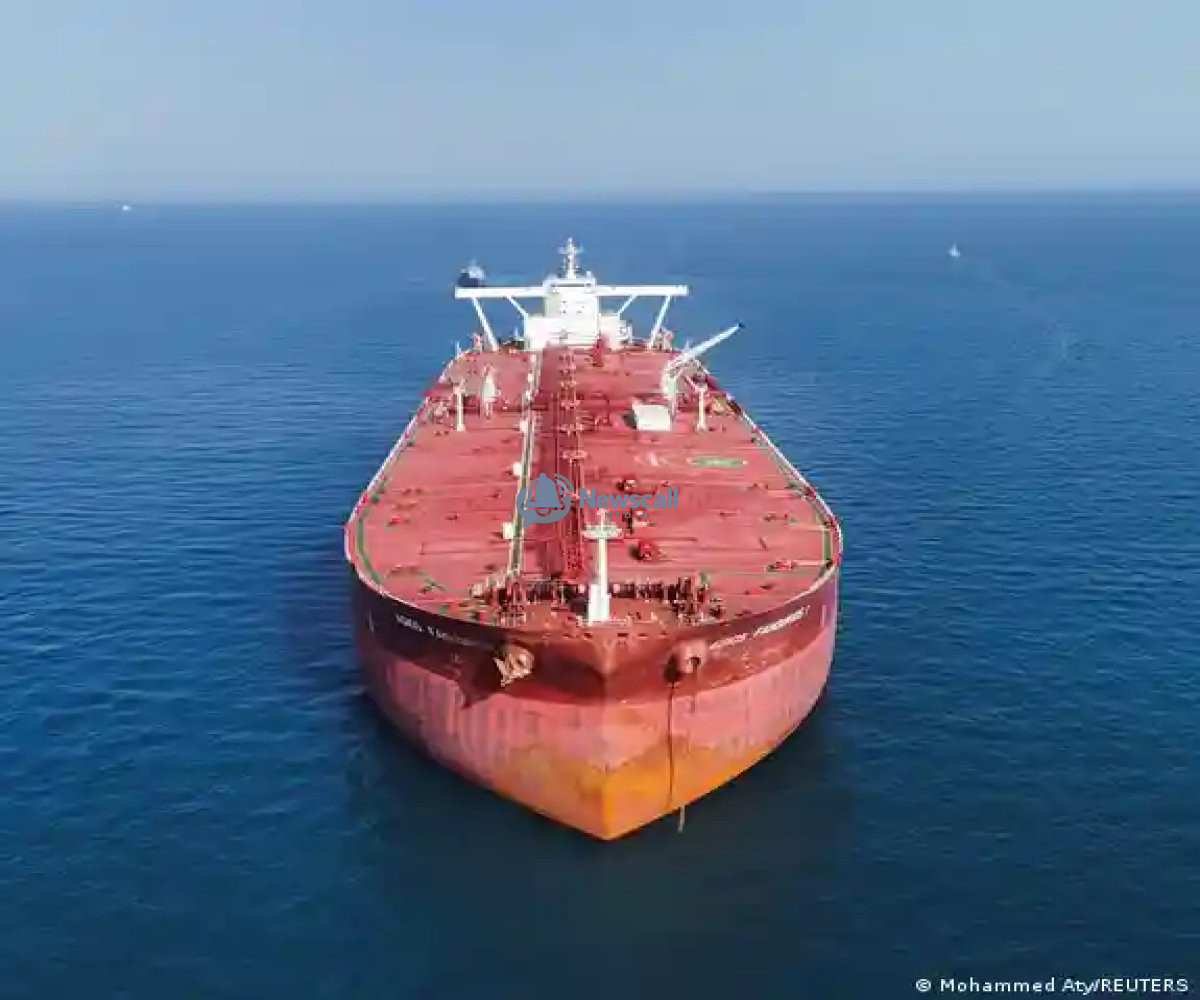
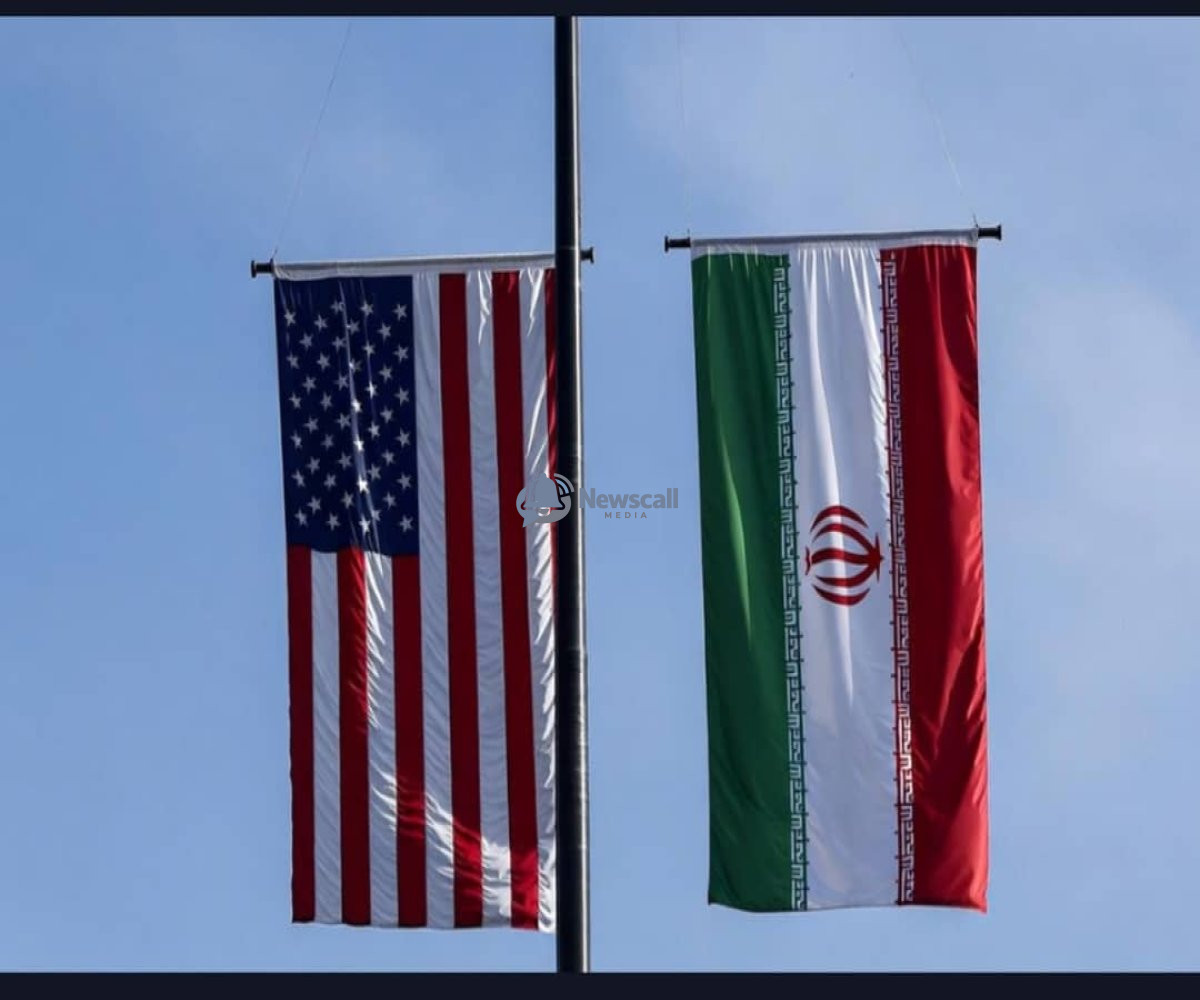
There’s been a big diplomatic breakthrough: the US and Iran have reportedly agreed to reopen the Strait of Hormuz, a narrow waterway that handles a huge chunk of the world’s oil and gas shipments. President Donald Trump called it a promising framework deal, set to be signed in Switzerland this Friday. Under the agreement, the US naval blockade would lift, Iran can restart limited oil exports, and the strait would be toll free at least for now.
But before anyone celebrates, maritime experts are urging caution. Clearing the strait won’t be like reopening a highway after a minor crash. It’s going to take time, money, and trust none of which are in abundant supply just yet.
First, there are naval mines. Iran laid them during the conflict, and while minesweepers and drones can find most, some may have drifted or become hard to detect. Independent observers will need to verify the channel is truly safe. That alone could take 40 to 50 days.
Then there’s insurance. Right now, war risk premiums are sky high between 1% and 4% of a vessel’s total value per trip. On a $200 million tanker, that’s an extra $2 million to $8 million, compared to less than $200,000 before the war. As one underwriter put it, premiums go up fast and come down slow. Many shipowners, especially in Japan, Korea, and China, aren’t eager to take that risk just yet, though Greek operators might be more willing.
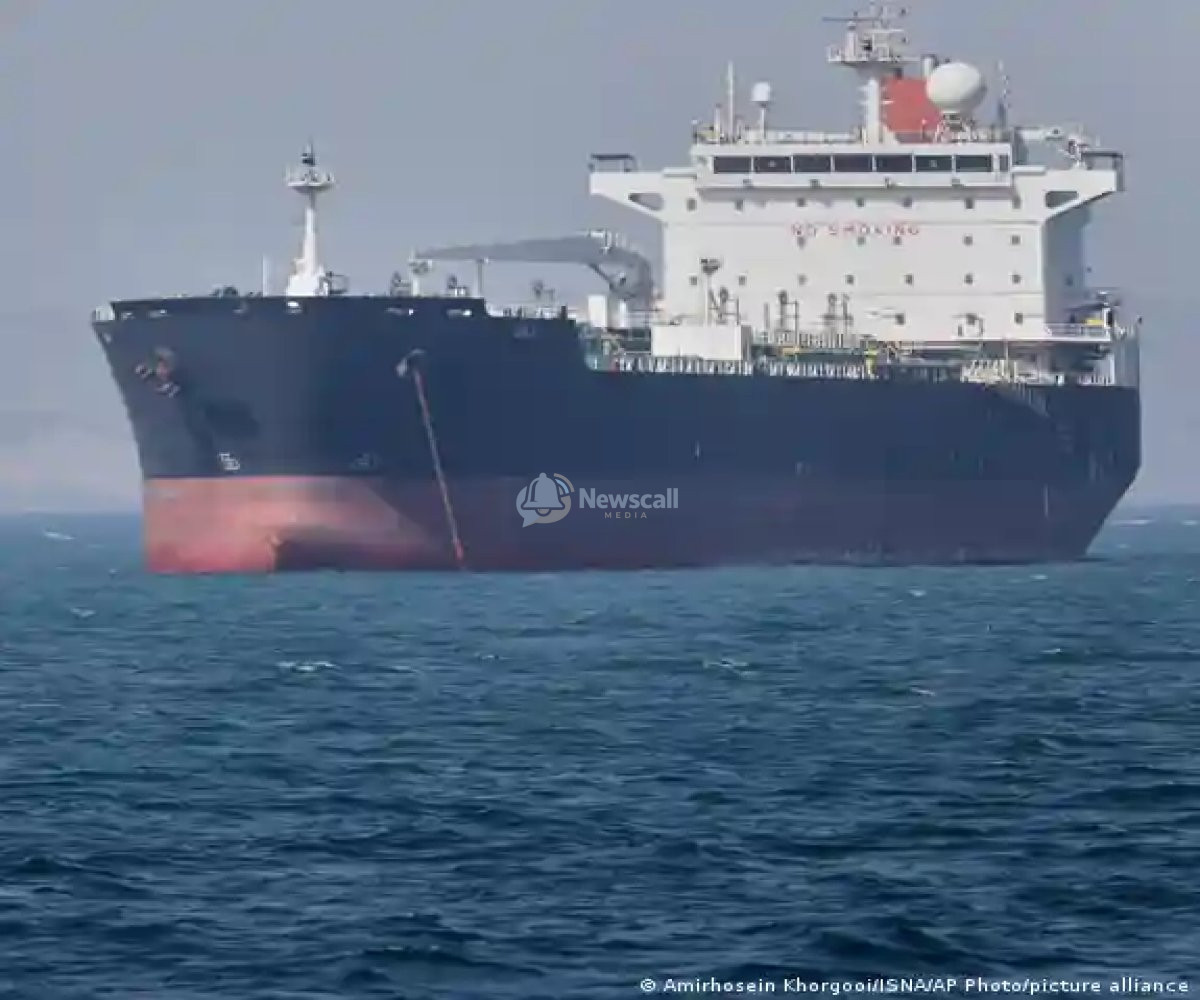
Hundreds of ships are stuck waiting around 300 fully loaded vessels in the Gulf, plus 250 empty ones ready to load. Nearby in the Gulf of Oman, another 300 empty tankers are idling. Around 20,000 seafarers remain stranded aboard, and 14 crew members have been confirmed killed in attacks, half of them Indian. India has already ordered agencies to stop sending crews into conflict zones, so staffing those ships could be a real challenge.
Energy facilities also need repairs. Qatar’s Ras Laffan LNG hub, for instance, took serious hits about 17% of its export capacity is gone, likely for years. Restoring reliable energy flows will take months, not days. One economist predicts that by the end of September, only about 80% of normal energy traffic through the strait will have resumed.
And here’s the kicker: the deal is just a framework. Iran is already talking about “service fees” and keeping control of the waterway. The US wants it permanently toll free. Bigger issues like Iran’s nuclear program, sanctions relief, and Tehran’s support for groups like Hezbollah and the Houthis remain unsolved. Meanwhile, Israel’s prime minister has made clear that Israel isn’t bound by the agreement and will keep acting in self defense.
So yes, the strait is set to reopen. But between mines, insurance costs, stranded ships, damaged infrastructure, and unresolved political tensions, normal shipping could still be months away and even then, it might not feel very normal.

Umeanozie Prosper
Writer, Novelist,blogger, content creator