

How Lovable Could Change Who Gets to Build Software
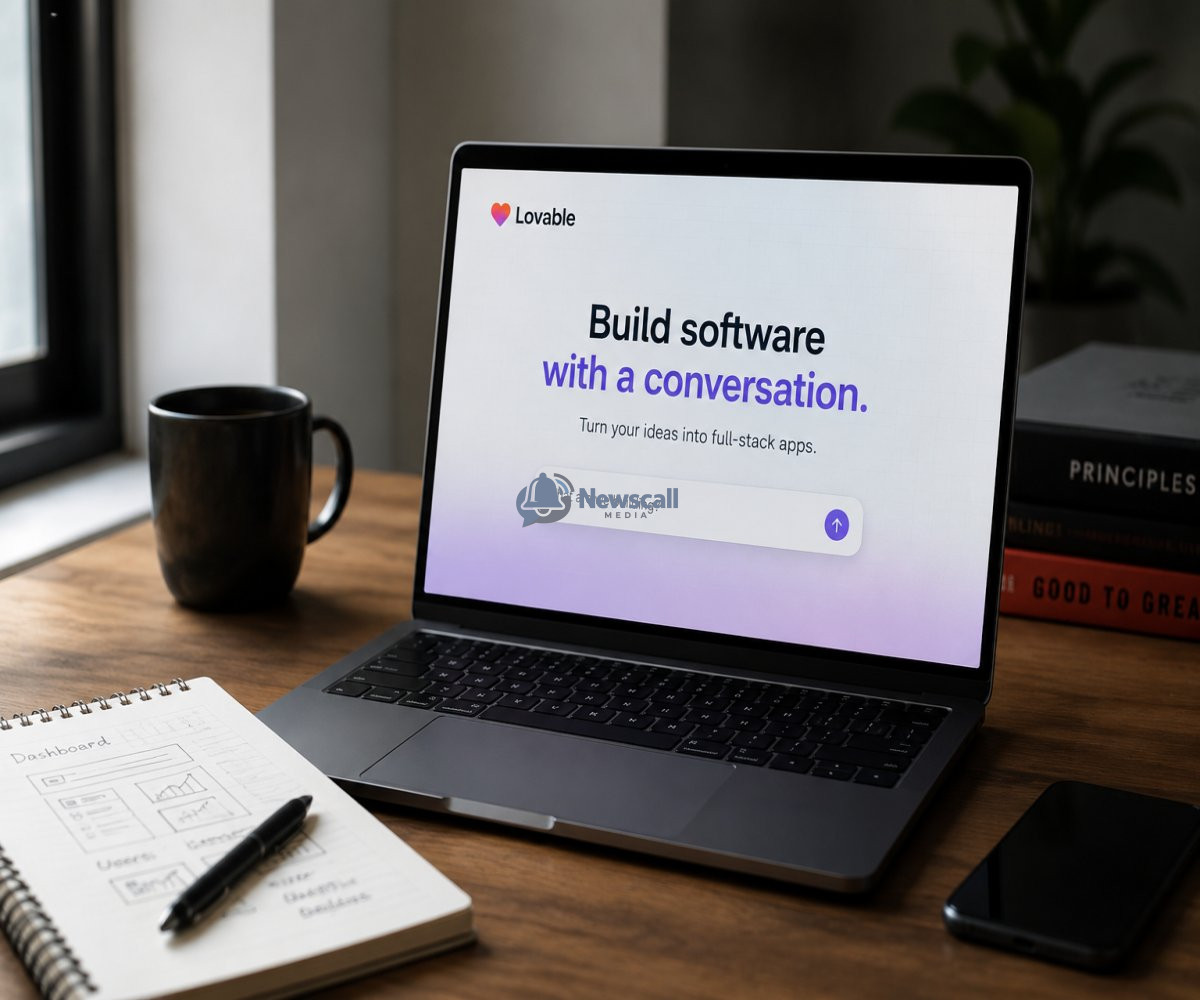
Not long ago, building software required one thing above all else.
Knowing how to code.
If you had an idea for an app, you either learned programming yourself or hired someone who already had the skills.
For millions of people, that meant great ideas never became reality.
Today, that is beginning to change.
A young startup called Lovable is helping people turn simple conversations into working software.
Describe what you want.
Explain how it should work.
Ask for changes.
The platform writes much of the code for you.
This week, Lovable made headlines after reports emerged that it is in talks to raise fresh funding at a $13.2 billion valuation—roughly double its valuation from just six months ago.
For a company that is less than three years old, that's an extraordinary achievement.
But the bigger story isn't the valuation.
It's what that valuation says about the future of software.
For decades, programming has been one of the most valuable skills in the world.
From websites and mobile apps to banking systems and video games, almost everything digital has been built by people writing code.
Learning those languages often takes months or even years.
That's where Lovable comes in.
Instead of asking users to write code line by line, it allows them to describe what they want using everyday language.
Want a restaurant booking website?
Describe it.
Need an inventory management system?
Explain the features.
Looking for a personal budgeting app?
Simply ask.
The platform then generates much of the software automatically, allowing users to refine and improve it through conversation.
This approach has become known as vibe coding.
Rather than focusing on programming syntax, users focus on ideas.
The AI handles much of the technical work behind the scenes.
That doesn't mean software engineers are becoming obsolete.
Far from it.
Complex systems, security, performance optimization, and large-scale applications still require experienced developers.
Instead, tools like Lovable are lowering the barrier to entry.
They allow entrepreneurs, designers, marketers, students, and small business owners to build prototypes in hours instead of weeks.
In many ways, it's similar to what happened with website builders years ago.
Creating a website once required deep technical knowledge.
Today, millions of people can build one using visual tools.
AI-powered software creation may represent the next step in that evolution.
The speed of Lovable's growth has surprised even seasoned investors.
Reports suggest the company reached an annualized revenue run rate of around $500 million in a remarkably short period.
Major businesses have already begun using its platform, demonstrating that the technology is attracting not only individual creators but also large organizations.
Investors aren't just betting on one startup.
They're betting on a much larger shift.
The belief that building software is becoming dramatically easier.
This could reshape entrepreneurship.
Someone with a good idea may no longer need a large engineering team just to build a first version of a product.
Small businesses could create custom software without enormous budgets.
Students could bring classroom ideas to life.
Creators could launch digital products faster than ever before.
Of course, challenges remain.
AI-generated code still needs careful review.
Applications must be tested.
Security vulnerabilities must be fixed.
Human expertise remains essential.
But the way software is created is undeniably changing.
The history of technology is filled with tools that made difficult tasks accessible to more people.
Spreadsheets transformed accounting.
Digital cameras transformed photography.
Website builders transformed web design.
Now AI coding platforms are beginning to transform software development.
Perhaps that's why investors are willing to value Lovable at more than $13 billion.
They're not simply investing in another startup.
They're investing in a future where creating software becomes as natural as describing an idea.
If that future arrives, the next great app may not come from someone who spent years learning to code.
It may come from someone who simply had a great idea—and finally had the tools to build it.

Victor Oluebubechukwu Akuma.
Creative writer