

Kwankwaso: We Delivered 2 Million Votes for Buhari but Got Nothing in Return

Former Kano State governor and national leader of the Kwankwasiyya movement, Rabiu Kwankwaso, has revealed that despite playing a major role in the emergence of former President Muhammadu Buhari in the 2015 presidential election, neither he nor his supporters benefited politically from the victory.
Kwankwaso made the disclosure during an interview on Arise Television on Monday, where he reflected on his political journey, Nigeria’s leadership since 1999, and the growing momentum behind the Nigeria Democratic Congress ahead of the 2027 general elections.
Speaking candidly about the 2015 election, Kwankwaso said he invested enormous political capital, energy, and personal risk into Buhari’s campaign, particularly in Kano State where he claimed to have delivered nearly two million votes that contributed significantly to the former president’s victory.
According to him, the sacrifices made by him and his political allies during the campaign period were never acknowledged after Buhari assumed office.
“I worked so hard. We brought about 1.9, almost 2 million votes. But as politicians, we were not recognised. We even put our lives on the line at that time. Unfortunately, we could not see any benefit either as individuals or the constituencies that we represented,” Kwankwaso stated.
Although the former governor did not specify the exact rewards or political recognition he expected from the Buhari administration, his comments suggested deep disappointment over what he described as a lack of appreciation for the contributions made by his political camp during the historic election that ended the 16 years rule of the Peoples Democratic Party at the federal level.
Kwankwaso used the interview to reflect on Nigeria’s democratic journey since 1999, offering his assessment of the administrations that have governed the country over the years.
He praised former President Olusegun Obasanjo for what he described as his efforts in leading the country during the early years of Nigeria’s return to democracy. He also noted that the late President Umaru Musa Yar'Adua faced significant health challenges during his time in office, which affected governance and eventually led to a constitutional crisis after his death.
Kwankwaso further stated that the administration of former President Goodluck Jonathan was shaped by controversies surrounding an alleged agreement that Jonathan would serve only one term after succeeding Yar’Adua.
According to him, those political complications contributed to instability within the ruling party at the time and ultimately paved the way for the opposition coalition that defeated the PDP in 2015.
Turning his attention to the current administration of President Bola Ahmed Tinubu, Kwankwaso suggested that many Nigerians were becoming increasingly dissatisfied with the direction of the country.
“Everybody knows there are issues with this administration again,” he said, while stressing that there was now a widespread demand for change across the country.
He argued that frustrations over economic hardship, governance challenges, and unmet expectations had strengthened calls for a new political direction ahead of the 2027 elections.
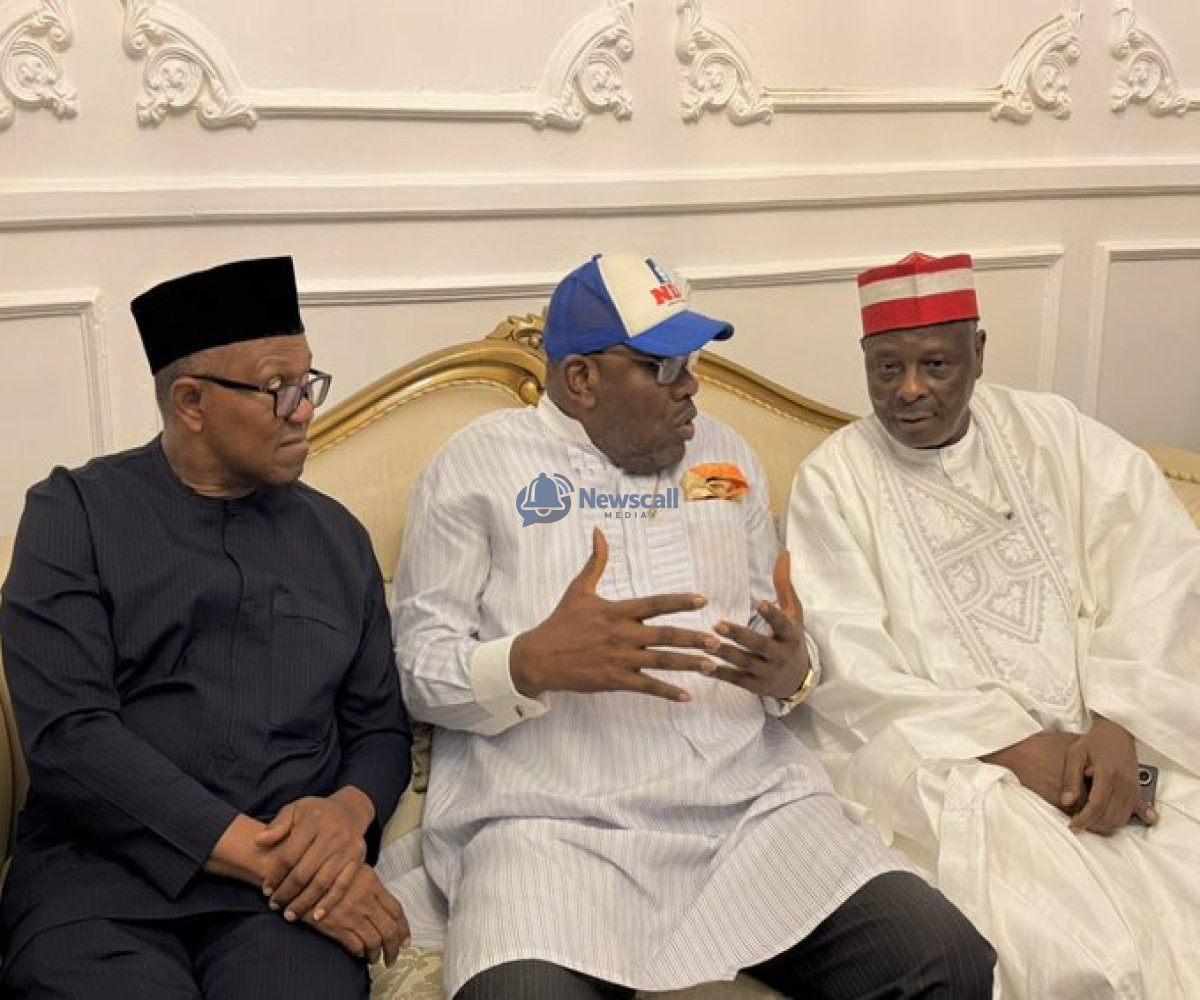
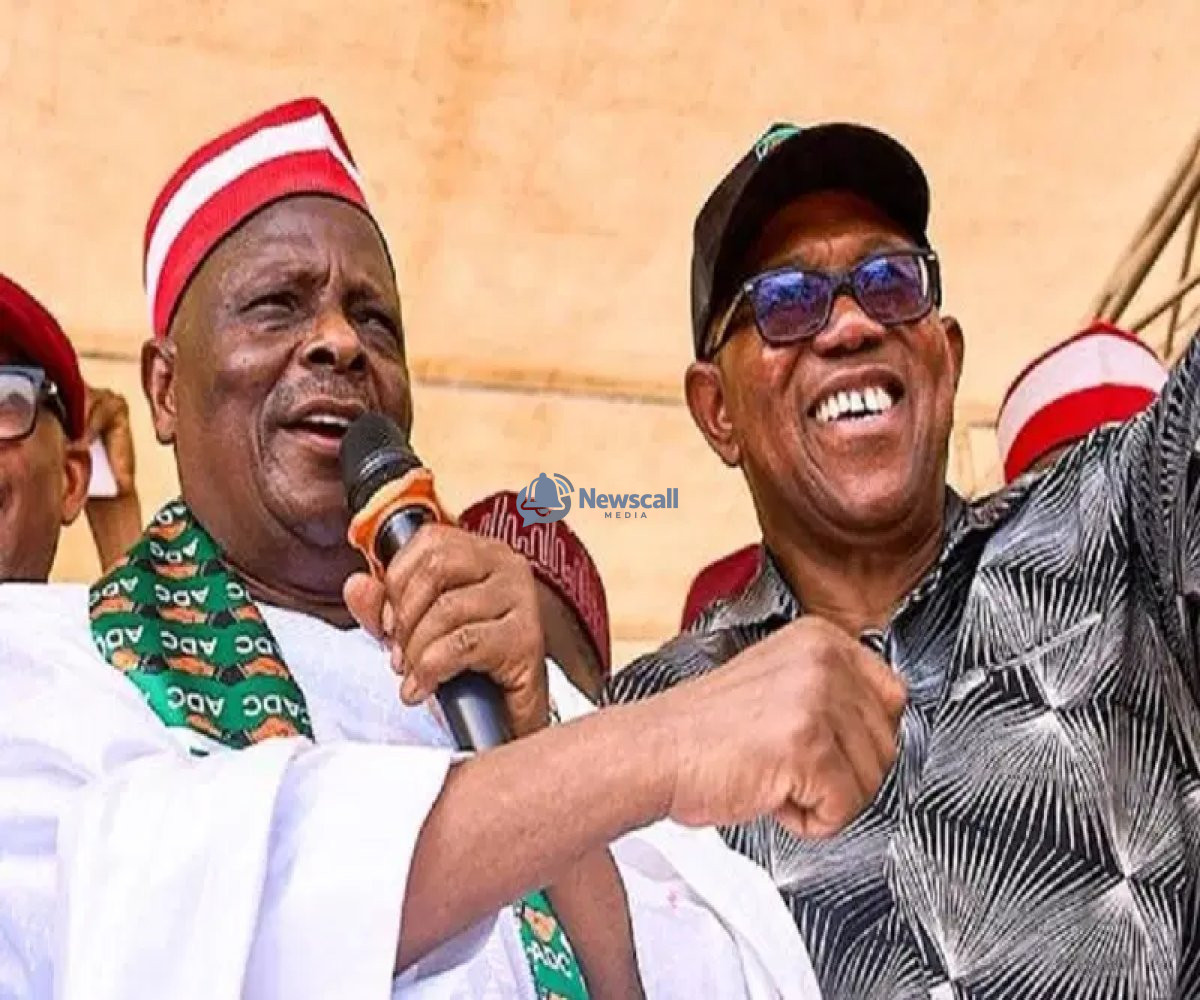
Kwankwaso said the growing support for the Nigeria Democratic Congress since his defection, alongside former Labour Party presidential candidate Peter Obi, was evidence that many Nigerians were eager for an alternative political platform.
According to him, the response from Nigerians both within and outside the country had been overwhelming since they formally joined the party on May 3.
“Since we decided to join NDC, Nigerians have decided to come and join us. People are opening offices everywhere across the world. So we are happy about that,” he said.
The former governor also addressed the long-standing debate over zoning and regional politics in Nigeria, insisting that competence and quality leadership should take precedence over ethnic or regional considerations.
Drawing from his political experience, Kwankwaso argued that having a president from one’s region does not automatically translate into development or good governance.
“Those of us in the political trenches would tell you that it is not only the man from your end that would make the country move forward,” he said.
“What is key is to have quality leadership, people who are enthusiastic, determined and committed to give the country the leadership it deserves.”
He explained that this belief informed his support for zoning the NDC’s 2027 presidential ticket to the South, adding that national unity and competent leadership were more important than sectional interests.
Kwankwaso’s remarks are expected to further fuel political discussions ahead of the 2027 elections, especially as opposition figures continue to position themselves as alternatives to the ruling government amid growing public concerns over the economy, insecurity, and governance.
Anozie Chiemerie Emmanuel
Writer