

Nigeria's 2027 Election Takes a New Turn as Jonathan Returns to the Spotlight
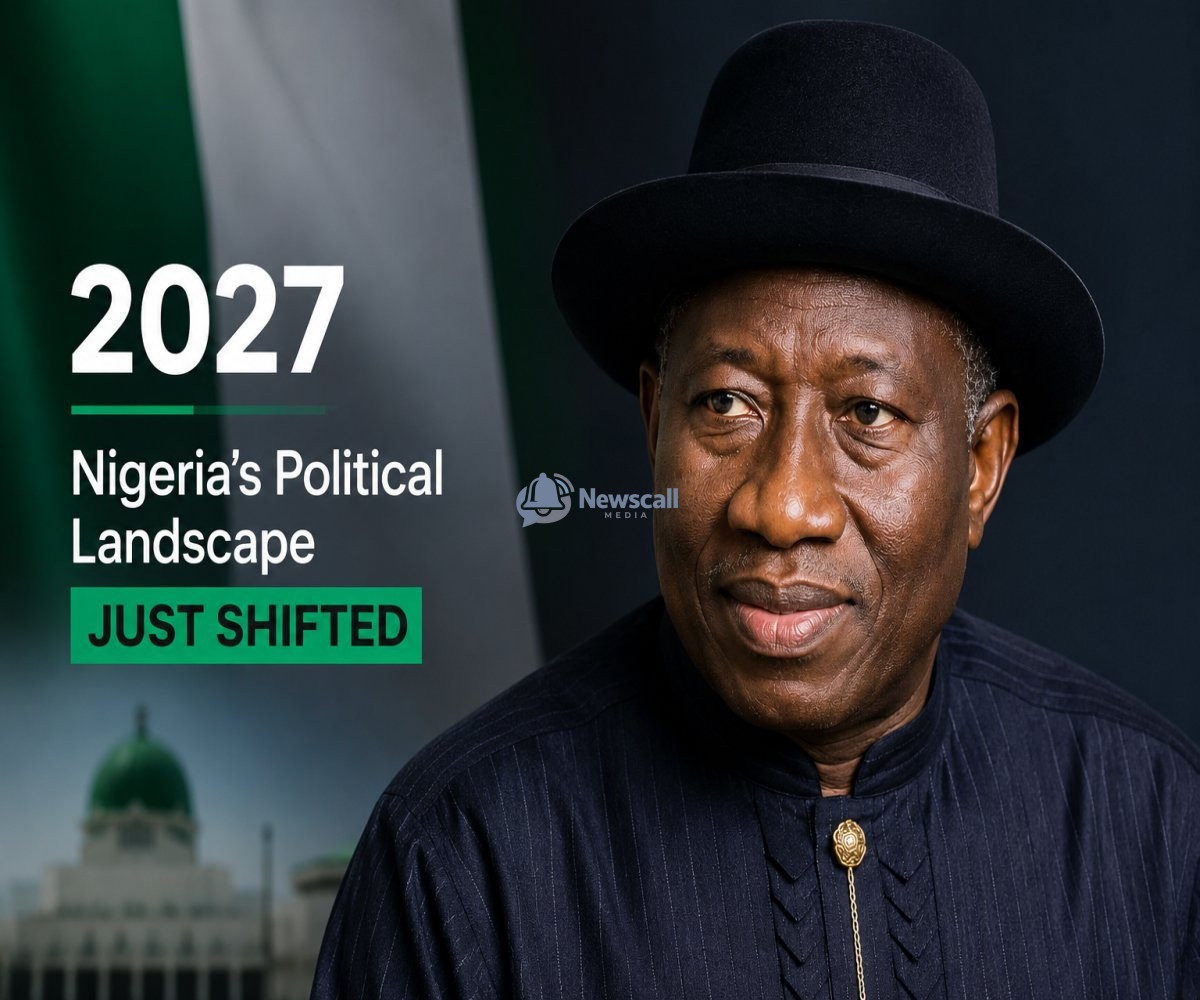
Nigeria's political landscape has taken an unexpected turn.
Former President Goodluck Jonathan has returned to the center of national political discussions after a faction of the Peoples Democratic Party (PDP) formally adopted him as its presidential candidate for the 2027 election.
The development has immediately reignited debate across the country, raising questions about the future direction of Nigeria's opposition politics and the possibility of one of the nation's most recognizable political figures making a return to the presidential race.
While Jonathan has not publicly declared his intention to contest the election, the endorsement has already shifted political attention toward a potential comeback.
For many Nigerians, Jonathan remains a significant figure in the country's democratic history. His administration oversaw a period of economic growth, expanding telecommunications infrastructure, and major financial sector reforms. However, he is perhaps most remembered for conceding defeat following the 2015 presidential election, a decision widely praised for strengthening Nigeria's democratic institutions.
The latest development comes at a time when political parties are beginning to position themselves ahead of what is expected to be a highly competitive 2027 election.
Within the PDP, internal divisions continue to shape the party's future. Different factions are pursuing separate political strategies, and Jonathan's adoption reflects ongoing efforts to rally support around a candidate with national recognition and political experience.
Supporters argue that his return could provide stability and strengthen the opposition's chances of mounting a serious challenge in the next election cycle. They point to his experience in governance and his continued influence within political circles.
Critics, however, view the development differently. They argue that Nigeria's future depends on the emergence of a new generation of leaders capable of addressing the country's evolving economic, technological, and social challenges.
Regardless of political affiliation, one fact is becoming increasingly clear.
The conversation surrounding Nigeria's 2027 election is already underway.
With more than a year before formal campaigns begin, political alliances are forming, parties are repositioning themselves, and influential figures are re-emerging on the national stage.
Whether Jonathan eventually accepts the role, declines it, or remains outside the race altogether, his return to political headlines has already altered the dynamics of the conversation.
For now, Nigeria's next presidential election remains far from decided.
But the reappearance of a familiar name has added a new dimension to what is shaping up to be one of the country's most closely watched political contests in recent years.

Victor Oluebubechukwu Akuma.
Creative writer