

NIGERIA FREEZES JET FUEL PRICES TO PREVENT FLIGHT DISRUPTIONS AND FARE HIKES
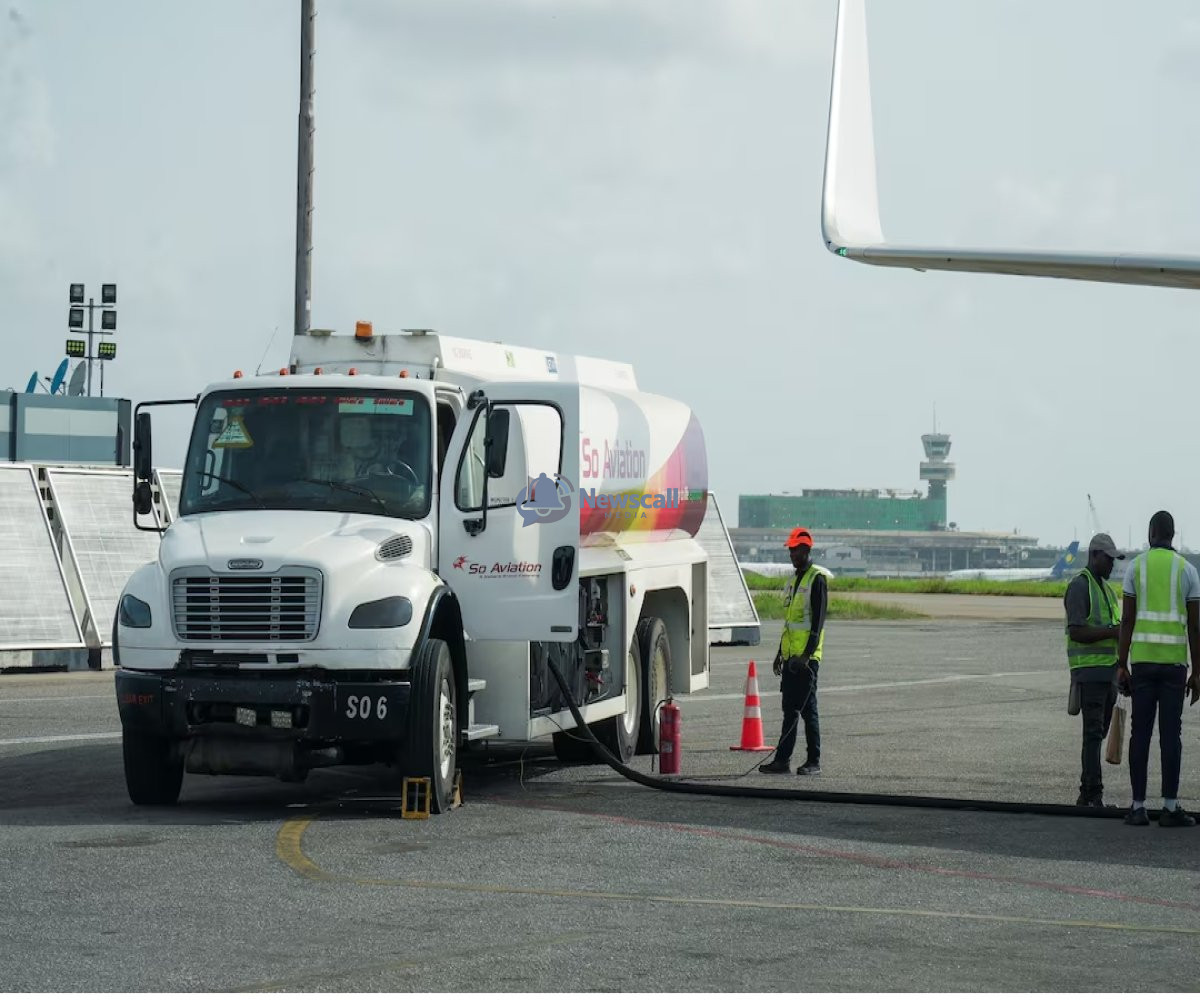
The Nigerian government has introduced emergency measures to stabilize the aviation sector after domestic airlines warned that surging jet fuel prices could force flight disruptions, route cuts, and higher ticket fares. The intervention includes a temporary cap on aviation fuel prices and a 30-day credit facility for airlines purchasing Jet A1 fuel.
According to a government document reviewed by Reuters, the Nigerian Midstream and Downstream Petroleum Regulatory Authority (NMDPRA) fixed aviation fuel prices in Lagos between ₦1,760 and ₦1,988 per litre, while prices in Abuja were set between ₦1,809 and ₦2,037 per litre.
The move came after airline operators raised concerns that fuel costs had risen by more than 270 percent, pushing many carriers into financial distress. Fuel is one of the largest operating costs for airlines, often accounting for up to 40 percent of total expenses. Nigerian airlines had already begun increasing fares and considering reductions in flight schedules due to the pressure.
Earlier in the week, President Bola Tinubu approved a 30 percent debt relief package for local airlines on obligations owed to aviation agencies. Aviation Minister Festus Keyamo also directed fuel marketers, regulators, and airline executives to negotiate a fair pricing mechanism within 72 hours.
The latest policy also requires marketers to offer airlines a 30-day payment window, allowing carriers to buy fuel immediately and settle invoices later. Analysts say this may ease short-term liquidity challenges for airlines already dealing with currency depreciation, taxes, and maintenance costs.
Nigeria’s aviation industry has struggled with fuel volatility despite the presence of domestic refining capacity. Reuters reported that Dangote Refinery, now fully operational, has been producing jet fuel but selling a significant share into export markets where margins are stronger. This has limited the expected local price relief many airlines anticipated.
Economists note that while price caps can provide temporary relief, long-term sustainability will depend on broader reforms such as improved refining supply, foreign exchange stability, airport infrastructure upgrades, and tax rationalization.
For travelers, the intervention may slow the pace of fare increases and reduce the risk of widespread cancellations. For businesses that rely on air transport, especially in a country where road logistics can be slow or insecure, stable airline operations remain critical to commerce.
The government’s actions highlight how energy shocks can quickly spread into transportation, tourism, and wider economic activity. Whether the measures succeed may depend on enforcement, supply availability, and how global fuel markets behave in the coming weeks.

CHIBUNDU CHRISTIAN UGONNA
Media Writer , and content creator with a strong focus on strategic communication, public relations, and audience engagement.