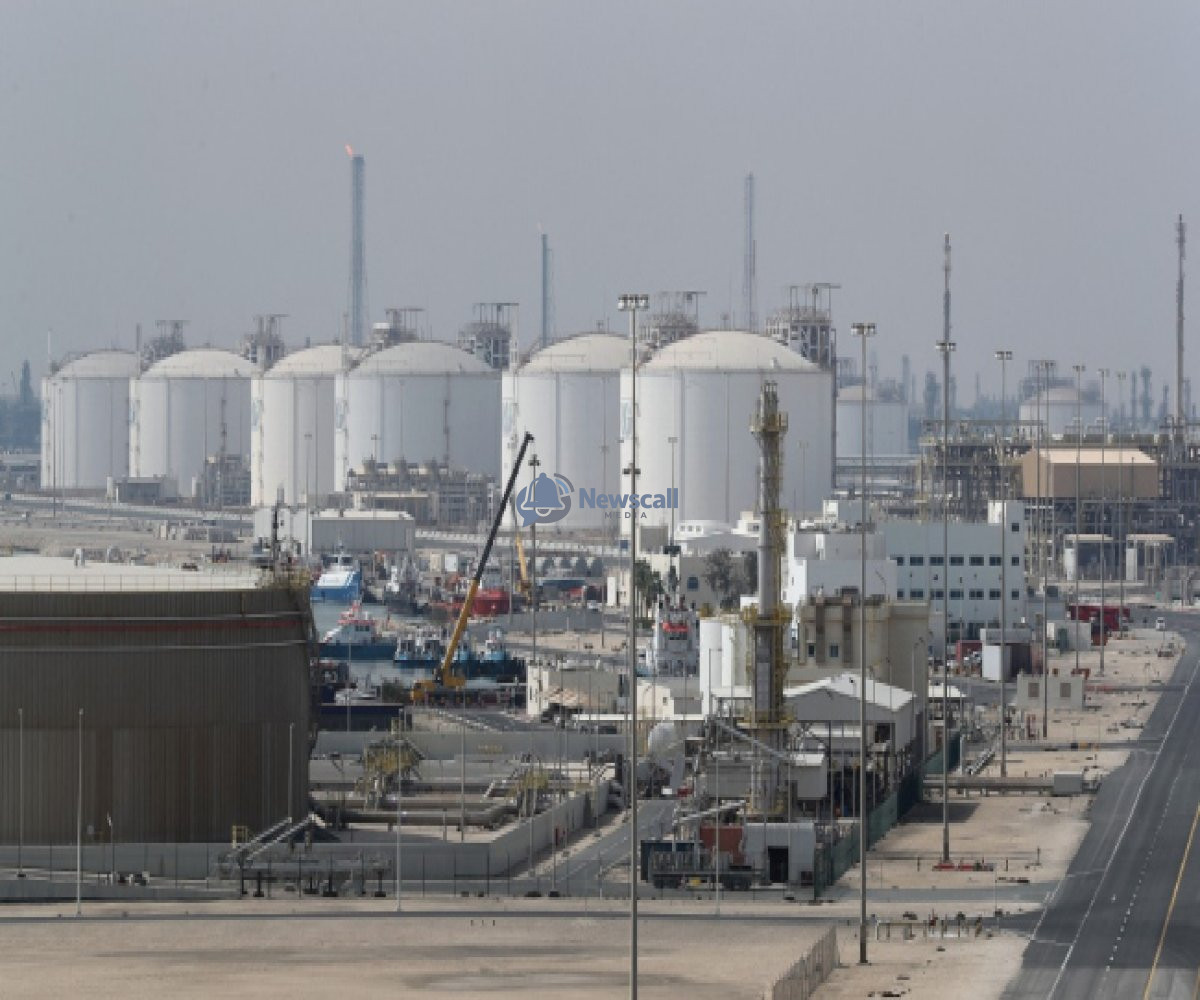


Dangote Refinery Imports 1.46bn Litres of Fuel Blendstock Despite Record Output, Operates Above 100% Capacity.
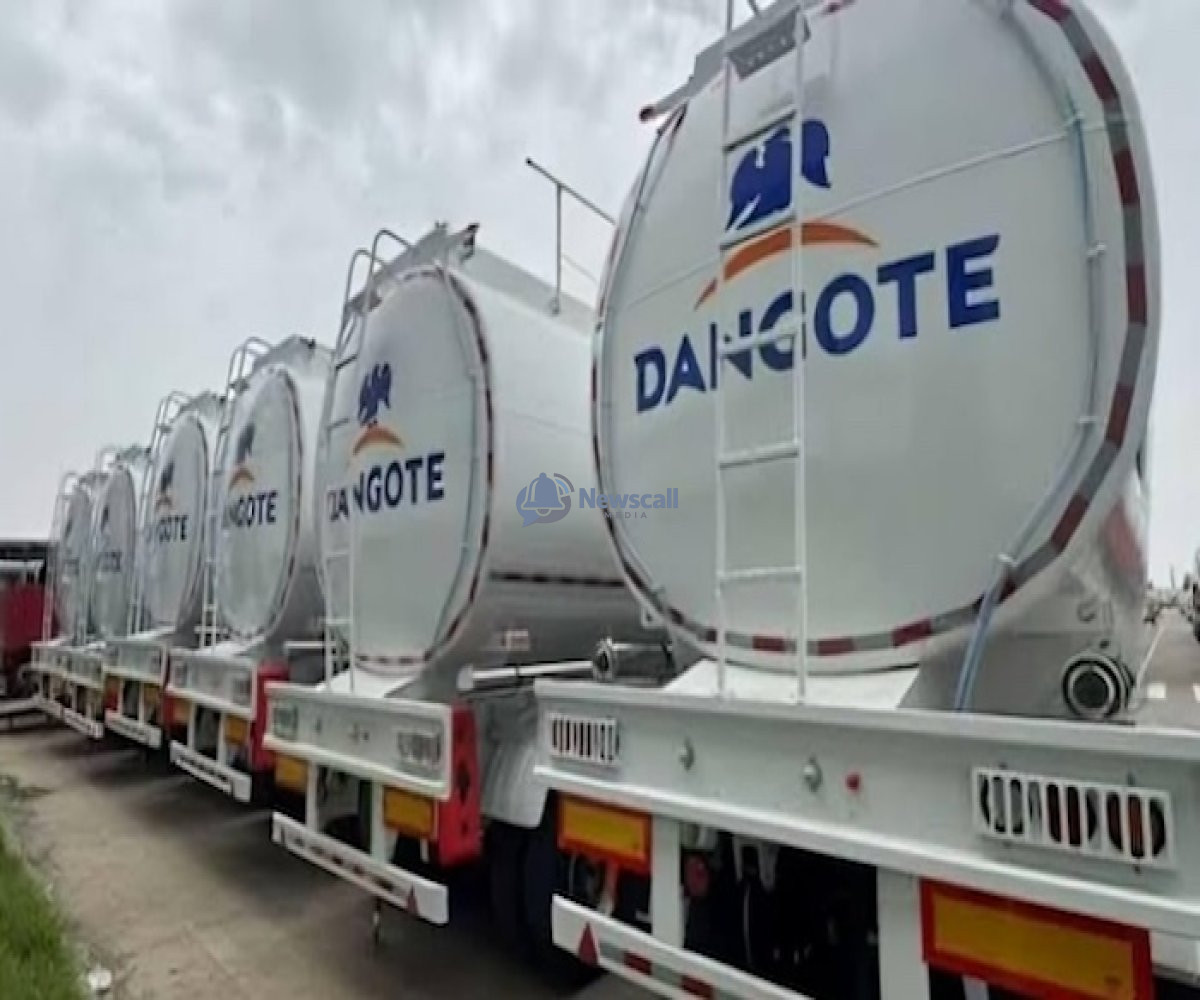
Dangote Refinery Imports 1.46bn Litres of Fuel Blendstock Despite Record Output, Operates Above 100% Capacity.
Nigeria's largest refinery, the $20bn Dangote Petroleum Refinery, imported approximately 1.46 billion litres of gasoline blendstock between January and May 2026, underscoring the strategic role of imported fuel components in sustaining record petrol production and operations above its installed capacity.
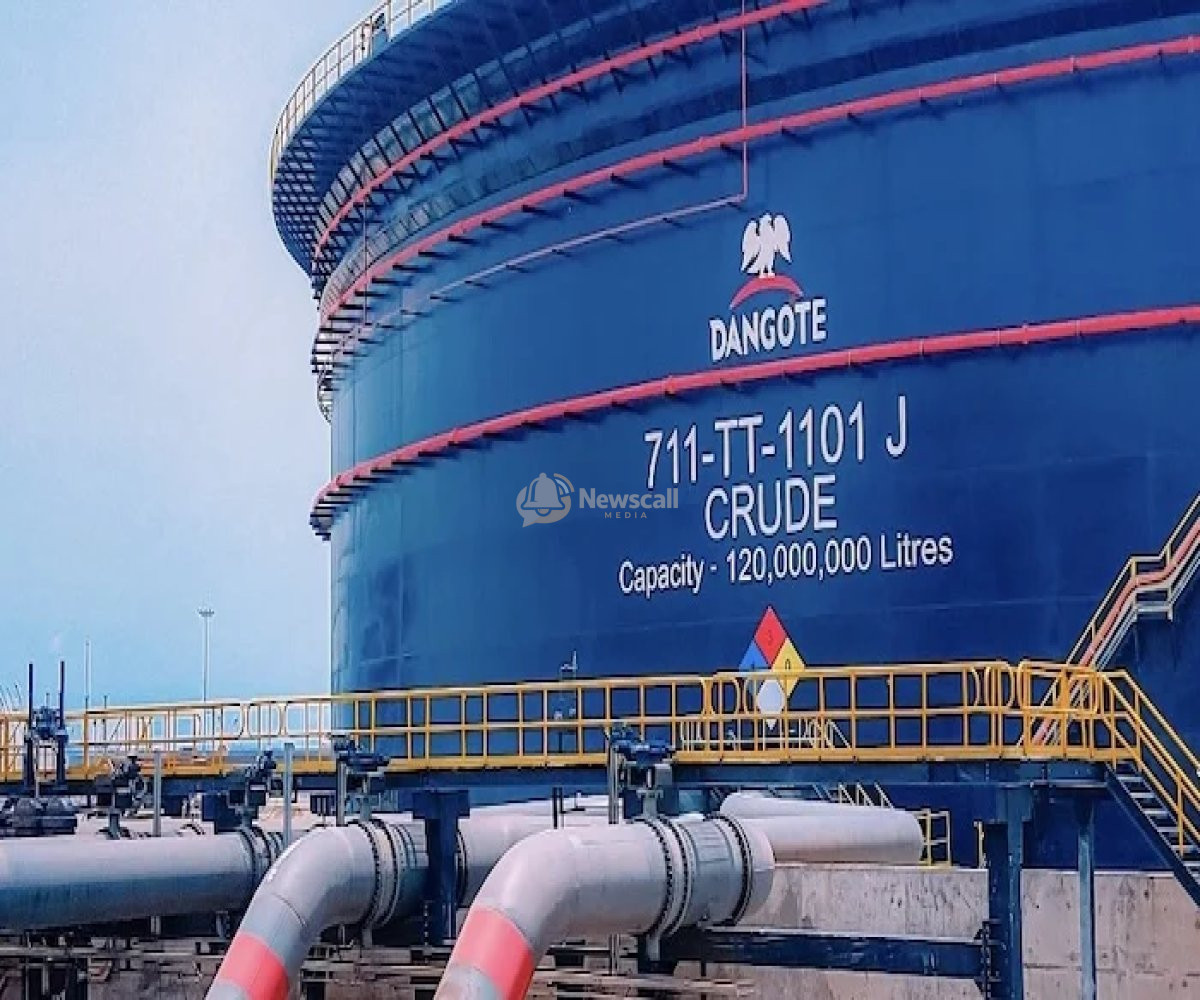
Fresh data obtained from the Nigerian Midstream and Downstream Petroleum Regulatory Authority's Midstream and Downstream Petroleum Statistics Report for May 2026 showed that despite receiving millions of barrels of domestic and imported crude oil, the 650,000 barrels-per-day refinery continued to supplement its operations with imported gasoline blendstock and intermediate petroleum products.
The latest figures reveal that the refinery achieved an average capacity utilisation of 101.25 per cent in May while producing an average of 44.7 million litres of Premium Motor Spirit, popularly known as petrol, per day.
The development highlights the increasingly sophisticated operational model being adopted by the refinery as it seeks to maximise production, improve fuel quality, satisfy domestic demand and expand exports across Africa and beyond.
An analysis of the NMDPRA data showed that the refinery imported 658.31 million litres of gasoline blendstock in January, 306.89 million litres in February, 102.35 million litres in March, 147.37 million litres in April and 240.59 million litres in May.
The cumulative volume imported during the five month period stood at approximately 1.46 billion litres.
The data showed that after three consecutive months of decline between January and March, blendstock imports rose significantly in April and May, indicating stronger feedstock purchases as production activities intensified.
The May import volume of 240.59 million litres represented a 63.3 per cent increase compared to the 147.37 million litres imported in April.
Gasoline blendstock refers to intermediate petroleum products used in refining operations to produce finished petrol that meets required quality, octane and environmental standards.
Unlike finished petrol, blendstocks are not sold directly to consumers. Instead, they are mixed with refinery-produced streams and additives to increase output, enhance fuel quality and improve refining flexibility.
Common gasoline blendstocks include reformate, alkylate, straight-run naphtha and other high-octane blending components.
Industry experts note that the use of blendstocks is a standard practice among modern refineries worldwide and allows operators to optimise output while responding to changing market conditions.
According to the NMDPRA report, Dangote Refinery produced an average of 44.7 million litres of petrol daily in May. Of this volume, approximately 41.5 million litres per day were supplied to the domestic market, while closing stock stood at 9.4 million litres.
The refinery also produced 24.5 million litres of Automotive Gas Oil, commonly known as diesel, every day. Out of this volume, 18.2 million litres were supplied locally while 6.5 million litres were exported.
In the aviation fuel segment, daily production reached 21.9 million litres. Domestic supply stood at 2.8 million litres per day while exports climbed to 17.5 million litres daily.
The figures demonstrate the refinery's growing influence in both local and international petroleum product markets.
Further analysis showed that the refinery continued to receive a combination of domestic and imported crude oil feedstock.
In May, domestic crude supplied to refineries stood at 15.84 million barrels while imported crude accounted for 2.08 million barrels, bringing total crude receipts to 17.92 million barrels.
This compares with total crude receipts of 18.37 million barrels in April, consisting of 17.96 million barrels of domestic crude and 410,000 barrels of imported crude.
The data suggests that while access to local crude has improved significantly, imported feedstocks and intermediates remain an important component of the refinery's operational strategy.
A closer examination of the figures reveals a direct relationship between crude availability and blendstock imports.
In January, when total crude receipts stood at 9.53 million barrels, Dangote Refinery recorded its highest gasoline blendstock import volume of the year at 658.31 million litres.
As crude supply improved in February and March, reaching 13.11 million barrels and 20.92 million barrels respectively, blendstock imports declined sharply to 306.89 million litres and 102.35 million litres.
The trend suggested that increased crude availability reduced the refinery's immediate need for supplementary gasoline components.
However, the pattern changed again in April and May.
Despite maintaining strong crude receipts of 18.37 million barrels in April and 17.92 million barrels in May, the refinery increased blendstock imports substantially.
The increase coincided with some of the strongest operational indicators recorded since production commenced at the facility.
With a nameplate processing capacity of 650,000 barrels per day, the refinery would theoretically require approximately 20.15 million barrels of crude to operate at full capacity throughout a 31-day month.
Yet, despite receiving only 17.92 million barrels of crude in May, the refinery reported capacity utilisation above 100 per cent.
Industry analysts say this suggests imported blendstocks played a complementary role in boosting finished product output and enabling the refinery to sustain exceptionally high operating rates.
The report also highlighted the continued inactivity of Nigeria's state-owned refineries.
According to the NMDPRA, the Port Harcourt Refining Company, Warri Refining and Petrochemical Company and Kaduna Refining and Petrochemical Company remained under shutdown status as of May 2026.
Their inactivity leaves Dangote Refinery as Nigeria's dominant refining hub and the country's largest supplier of locally refined petroleum products.
Commenting on the development, Professor of Energy at the University of Lagos, Dayo Ayoade, said gasoline blendstocks are unfinished petroleum streams imported by refineries to improve fuel quality, optimise operations and increase production.
According to him, the practice is common across global refining centres and should not be interpreted as the importation of finished petrol.
He explained that blendstocks help refiners produce cleaner fuels that meet modern environmental standards, including low-sulphur Euro V specifications increasingly demanded in domestic and international markets.
Ayoade added that the products also provide operational flexibility, allowing refineries to maximise the performance of catalytic crackers, hydrocrackers and other secondary processing units.
He noted that blendstocks become particularly important when crude supply is unstable or when refiners seek to increase output to meet rising demand.
However, the energy expert cautioned that the economic implications of continued importation deserve attention.
According to him, while blendstocks help increase production and maintain refinery efficiency, they also result in foreign exchange outflows and expose operators to fluctuations in global commodity markets.
He said critics often misunderstand the role of blendstocks, leading to inaccurate claims that refineries importing such products are importing finished petrol.
Industry stakeholders argue that the refinery's growing use of imported blendstocks reflects a deliberate strategy aimed at maximising value, improving product quality and strengthening Nigeria's refining capacity rather than a dependence on imported fuel.
Since commencing large-scale operations, Dangote Refinery has significantly altered Nigeria's petroleum supply landscape by reducing the country's reliance on imported petrol and increasing domestic refining output.
The latest figures indicate that while imported intermediates continue to play a strategic role in operations, the refinery remains a critical pillar of Nigeria's energy security ambitions.
With petrol production remaining above 44 million litres daily, exports rising steadily and capacity utilisation surpassing 100 per cent, the refinery appears poised to deepen its influence across regional fuel markets while consolidating its position as the cornerstone of Nigeria's downstream petroleum industry.
As policymakers continue efforts to boost local crude supply and revive state-owned refineries, the Dangote Refinery's performance will remain central to Nigeria's quest for self-sufficiency in petroleum products, foreign exchange conservation and long-term energy security.

Anozie Chiemerie Emmanuel
Writer