

The Hidden Risk of Building a Startup Too Early
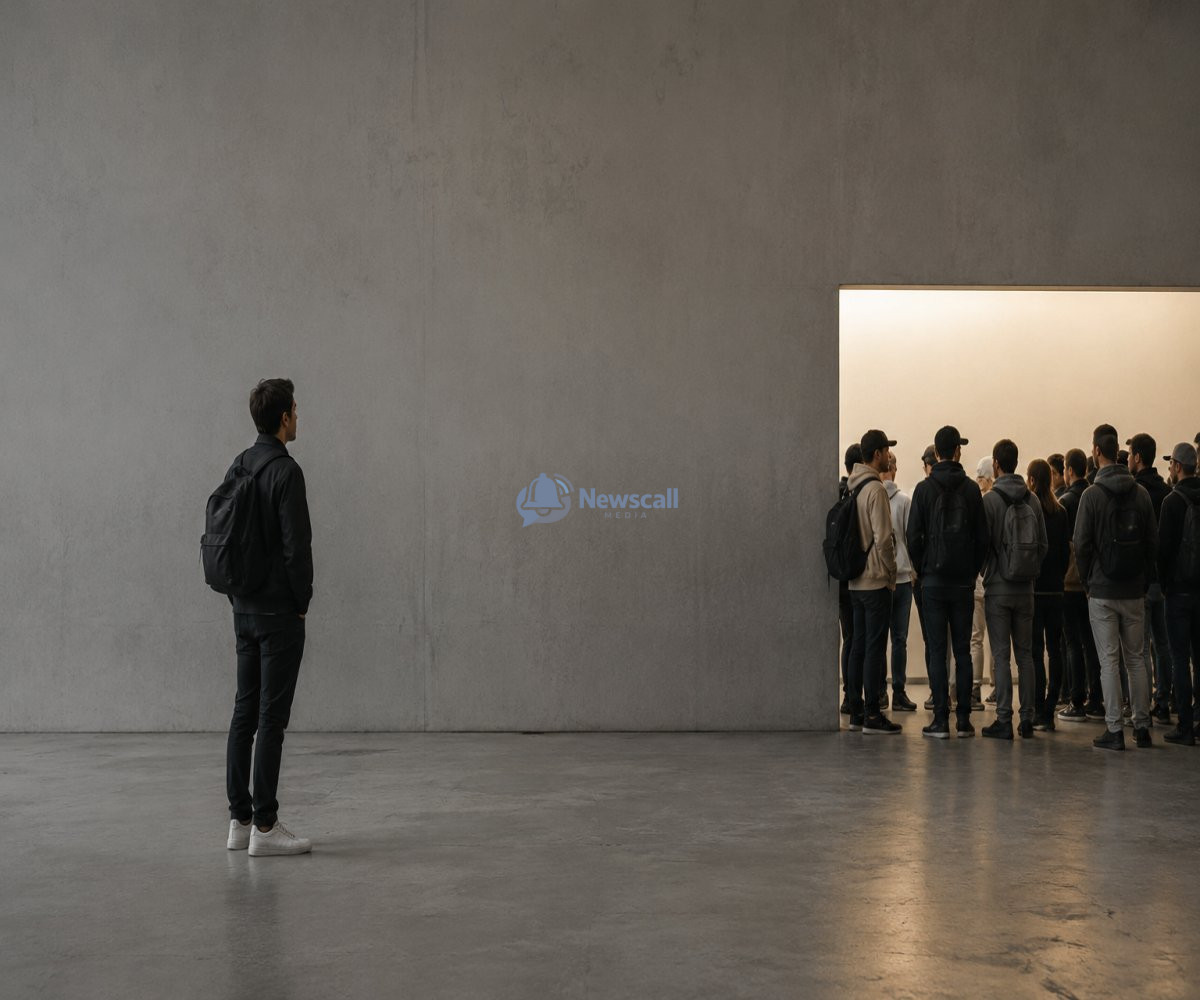
In startups, timing is usually discussed from one perspective: the fear of being late.
Founders move quickly because they worry about missing trends, entering crowded markets, or watching someone else execute the idea first. Speed becomes the priority, and being early is often treated like an advantage by default.
But the reality is more complicated.
Some startups struggle not because the product is weak, but because the market around it has not matured enough to support it yet.
Technology history is filled with examples of ideas that were initially ignored before eventually becoming mainstream. Streaming services existed before internet infrastructure made them practical at scale. Remote work platforms existed long before companies were comfortable operating digitally. Electric vehicles were discussed for years before the supporting ecosystem finally improved.
In many cases, the product itself was not the problem.
The timing was.
«│ “A strong idea can still fail in an unprepared market.”»
---
---
This creates a challenge that many founders underestimate.
A startup does not only need innovation. It also needs conditions that make adoption possible.
People need to understand the value. Infrastructure needs to exist. User behavior needs to align with the solution being offered.
When those things are missing, growth becomes difficult regardless of how technically impressive the product may be.
That is often why early-stage startups spend years educating the market instead of scaling naturally.
Ironically, once behavior eventually changes, newer companies entering the same space may grow much faster because the difficult part has already been normalized.
By then, the market finally feels “ready.”
---
This is especially relevant today in industries such as AI, robotics, climate technology, and digital infrastructure.
Many companies entering these categories may ultimately prove correct about where the future is heading.
But being directionally correct and being commercially ready are not always the same thing.
And in startups, that difference can determine whether a company survives long enough to see the future it predicted.

Victor Oluebubechukwu Akuma.
Creative writer