The Program That Accidentally Created The World's First Computer Virus
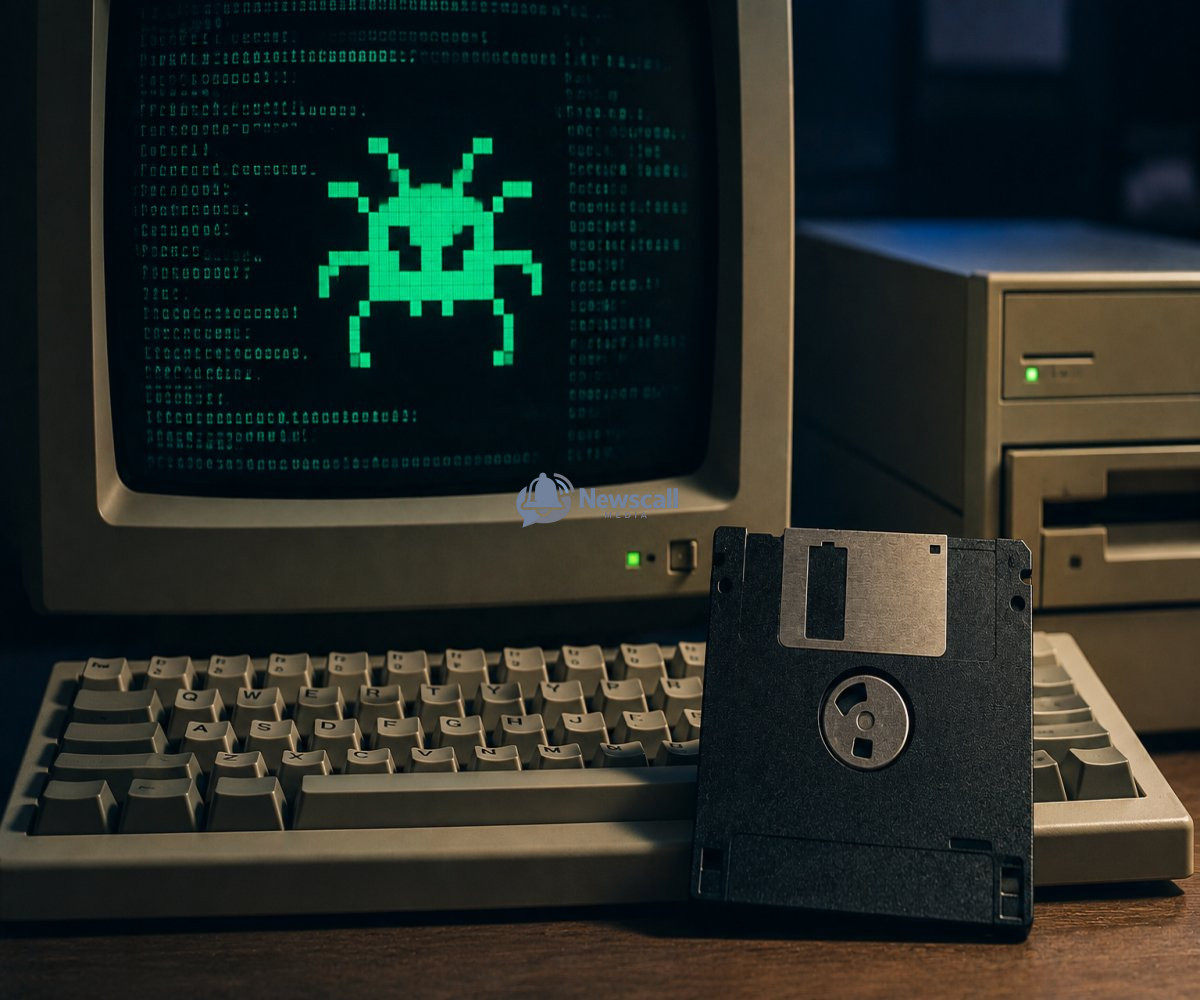
Today, computer viruses are among the most feared threats in the digital world.
They can steal information, corrupt files, lock systems, and cause billions of dollars in damage.
Every year, cybersecurity experts work tirelessly to stop malicious software from spreading across networks and devices.
But the first computer virus wasn't created by a criminal.
It wasn't designed to steal data.
It wasn't built to make money.
In fact, it wasn't even intended to be harmful.
It began as an experiment.
And that experiment accidentally gave birth to one of the most influential concepts in computing history.
The story starts long before the internet became part of everyday life. In the early 1970s, computers were very different from the machines we use today. Most people didn't own one. Computers were large, expensive systems found mainly in universities, government institutions, and research laboratories. Despite their limitations, researchers were already exploring a fascinating idea. What if a computer program could move from one machine to another on its own? At the time, this wasn't considered dangerous. It was simply an interesting technical challenge. Among the researchers exploring this concept was American computer scientist Bob Thomas. In 1971, while working at the technology company BBN Technologies, Thomas created a program called Creeper. The goal wasn't destruction. The goal was curiosity. Creeper was designed to move through ARPANET, the experimental computer network that would eventually evolve into the modern internet. Once it reached a computer, it displayed a simple message: "I'm the Creeper: Catch me if you can!" Then it attempted to move to another machine. That was it. It didn't damage files. It didn't steal information. It didn't spy on users. Yet Creeper demonstrated something revolutionary. A program could travel between connected computers without direct human intervention. Today that may not sound remarkable, but in 1971 it was an extraordinary idea. Researchers suddenly realized that software could spread through networks in ways nobody had previously imagined. Although Creeper is often described as the first computer virus, it more closely resembled what we would now call a worm. Unlike modern viruses, it didn't attach itself to other programs. Instead, it moved independently between systems. Still, it introduced a concept that would shape the future of cybersecurity. Interestingly, Creeper also inspired another historic innovation. Once the program began spreading through the network, researchers wanted a way to remove it. So another programmer named Ray Tomlinson created a new program called Reaper. Reaper traveled through the same network searching for Creeper instances and deleting them. In a strange twist of history, the world's first antivirus software was created almost immediately after one of the world's first self-replicating network programs. What began as a simple experiment had unexpectedly created an entirely new category of software. For years, the concept remained mostly academic. Computer networks were still relatively small. Personal computers didn't yet exist. There was little opportunity for self-spreading programs to cause widespread disruption. That changed during the 1980s as computers became more common. In 1982, a teenager named Rich Skrenta created a program known as Elk Cloner. Unlike Creeper, Elk Cloner spread through floppy disks. When infected disks were shared between computers, the program traveled with them. After a certain number of uses, it displayed a playful message on the screen. Although not particularly harmful, Elk Cloner is often considered the first large-scale personal computer virus. It demonstrated how quickly self-replicating software could spread once computers became widely available. From there, the evolution accelerated. As networks expanded and more people connected computers together, opportunities for malicious software increased. Some viruses were created as pranks. Others were designed to demonstrate technical skill. Eventually, some were developed for theft, espionage, sabotage, and financial gain. What began as a harmless experiment transformed into a global cybersecurity challenge. Modern malware has become incredibly sophisticated. Some programs can evade detection for months. Others can encrypt entire organizations and demand ransom payments. State-sponsored cyber operations now target critical infrastructure, government systems, and major corporations. The digital threats facing the world today would have been difficult to imagine when Creeper first displayed its famous message more than fifty years ago. Yet the underlying principle remains remarkably similar. Software can move. Software can spread. And connected systems create opportunities as well as risks. Perhaps the most fascinating part of the story is that none of this was intentional. Bob Thomas wasn't trying to create a cybersecurity crisis. He wasn't imagining criminal hackers or international cyber warfare. He was simply exploring a new idea. History is filled with innovations that produced unexpected consequences. The inventors of automobiles couldn't fully predict modern traffic systems. The pioneers of social media couldn't foresee every challenge associated with global digital communication. Likewise, the creators of early self-replicating programs couldn't predict the future of computer security. Their experiments opened doors that future generations would walk through in ways nobody anticipated. Today, every antivirus program, cybersecurity company, and network defense system exists partly because researchers discovered that software could spread on its own. The world's first computer virus wasn't truly a villain. It was a proof of concept. A technological curiosity. A glimpse into a future nobody yet understood. Yet from that simple message — "Catch me if you can" — emerged an entirely new chapter in the history of computing. One that continues to shape the digital world every single day.

Victor Oluebubechukwu Akuma.
Creative writer