

The Psychology Behind Endless Scrolling Apps
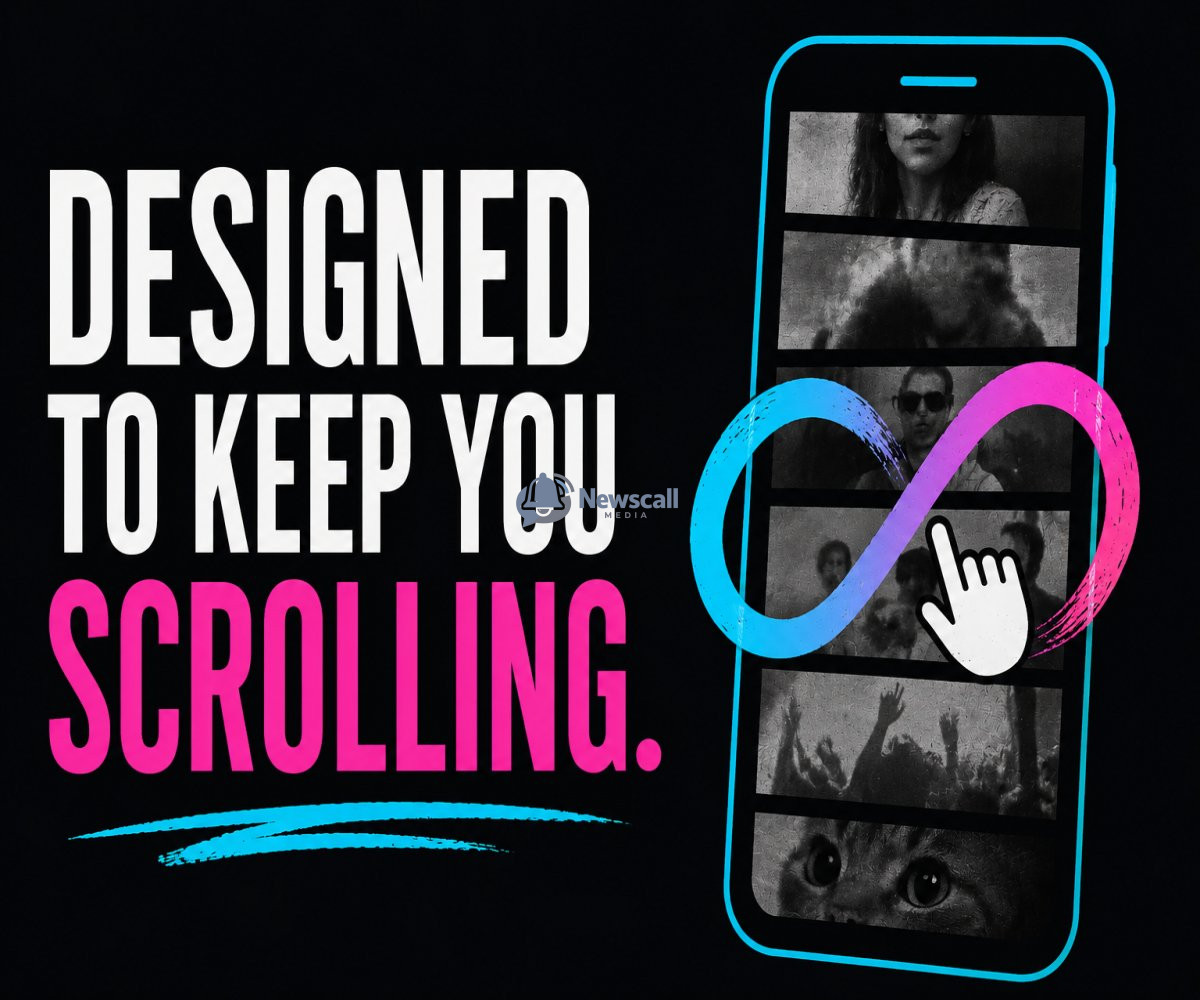
Modern apps are designed to feel effortless.
A person opens a platform for “just a few minutes” — then suddenly realizes an hour has passed.
From short videos and social media feeds to online shopping platforms and news apps, endless scrolling has become one of the most powerful design systems shaping modern internet behavior.
And behind it lies a carefully engineered understanding of human psychology.
---
Endless scrolling works because it removes stopping points.
Traditional media once had natural endings:
- newspapers had final pages
- television programs ended
- magazines finished
- websites required clicking between pages
Modern apps changed that.
Now content reloads continuously without interruption, encouraging users to keep moving almost automatically.
The experience feels frictionless.
And that frictionless design keeps attention active for longer periods.
---
One major psychological factor behind scrolling apps is something known as “variable reward behavior.”
People never know exactly what the next swipe might reveal:
- a funny video
- breaking news
- exciting content
- social validation
- emotional reactions
- entertainment
That unpredictability keeps the brain engaged.
It operates similarly to reward systems seen in gaming and other highly stimulating digital experiences.
“The next piece of content might always be more interesting than the last.”
Another major factor is personalization.
Modern algorithms constantly study user behavior:
- viewing time
- interactions
- pauses
- likes
- search habits
- repeated interests
This allows platforms to create highly customized feeds designed to maximize engagement for individual users.
Two people using the same app may experience completely different digital worlds.
---
Notifications, autoplay systems, and infinite feeds also contribute heavily to user retention.
These features are intentionally designed to reduce moments where users naturally stop interacting.
Instead of asking:
“Do you want to continue?”
many platforms simply continue automatically.
This design strategy helps keep engagement levels extremely high across modern apps.
---
The effects extend beyond entertainment.
Endless scrolling increasingly influences:
- sleep patterns
- attention spans
- productivity
- information consumption
- mental focus
- online habits
Many experts now believe attention itself has become one of the most competitive resources in the digital economy.
Technology companies are no longer only competing for users.
They are competing for time.
---
At the same time, endless scrolling is not entirely negative.
These systems can help people:
- discover information quickly
- learn new skills
- stay connected globally
- access entertainment instantly
- find communities online
The issue is often balance rather than technology itself.
The broader shift is that modern software increasingly understands human behavior at a very deep level.
Apps today are not designed only around functionality.
They are designed around psychology.
And as digital platforms become more sophisticated, understanding how technology influences human attention may become just as important as understanding the technology itself.

Victor Oluebubechukwu Akuma.
Creative writer