

The Story Behind Contactless Payments
A few decades ago, paying for something meant carrying cash.
You handed over bills, waited for change, and completed the transaction.
Then came payment cards, which made purchases faster and more convenient. But even cards required swiping, inserting chips, or signing receipts.
Today, millions of people complete purchases with a simple tap.
Whether it's a bank card, smartphone, or smartwatch, contactless payments have transformed how money moves through the modern economy. What feels like a small convenience is actually one of the most significant innovations in financial technology.
The idea behind contactless payments is surprisingly simple.
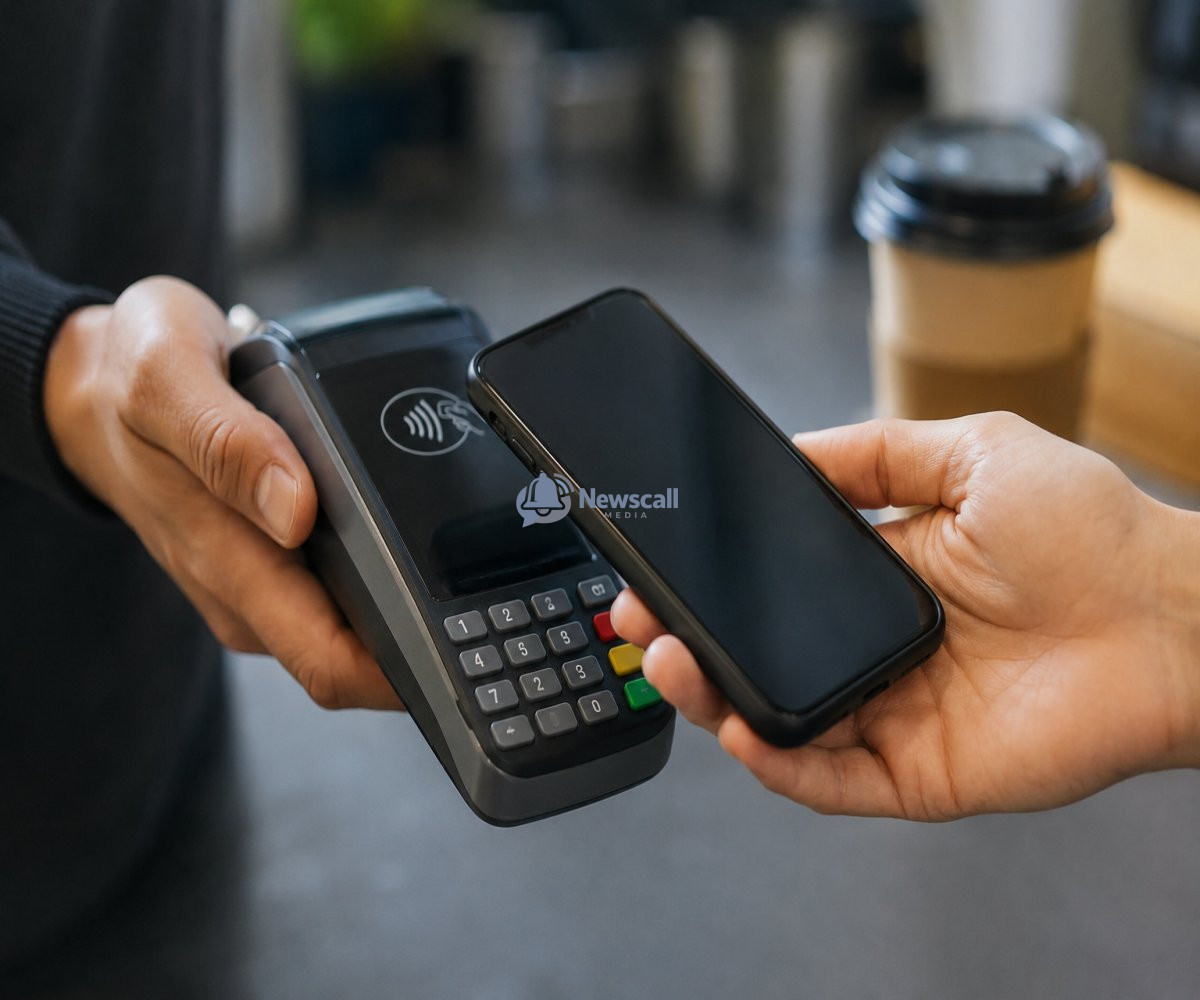
Using a technology called Near Field Communication (NFC), a payment device can securely exchange information with a payment terminal when placed just a few centimeters away. The process takes only seconds, eliminating much of the friction that once existed during transactions.
For consumers, the benefits were immediate.
Checkout lines moved faster. Payments became easier. Carrying physical cash became less necessary. Instead of searching through wallets or counting bills, people could simply tap and go.
Businesses benefited as well.
Faster transactions meant shorter queues and improved customer experiences. Retailers could serve more customers in less time, especially in high-traffic environments such as supermarkets, train stations, and restaurants.
The rise of smartphones accelerated adoption even further.
Once payment systems became integrated into mobile devices, people no longer needed to carry separate cards. A phone that already handled communication, navigation, and entertainment could now function as a wallet.
The innovation became even more valuable during the COVID-19 pandemic.
As consumers and businesses looked for ways to reduce physical contact, tap-to-pay systems experienced rapid growth across the world. What had been considered a convenience suddenly became a preferred method of payment.
Yet the true impact of contactless payments extends beyond speed.
The technology is helping create a future where financial transactions are more seamless, accessible, and integrated into everyday life. Public transportation systems, vending machines, parking meters, and countless other services now support contactless transactions.
In many places, paying has become almost invisible.
People focus less on the act of purchasing and more on the experience itself.
Like many successful innovations, contactless payments didn't succeed because they were complicated.
They succeeded because they removed complexity.
A simple tap may seem insignificant, but it represents decades of engineering, security research, financial infrastructure, and technological innovation working together behind the scenes.
The next time you tap your card or phone to make a purchase, it's worth remembering that one of the world's most transformative financial innovations is happening in less than a second.
And most people barely notice it.

Victor Oluebubechukwu Akuma.
Creative writer