

The Story Behind Figma’s Rise From Startup to Industry Giant
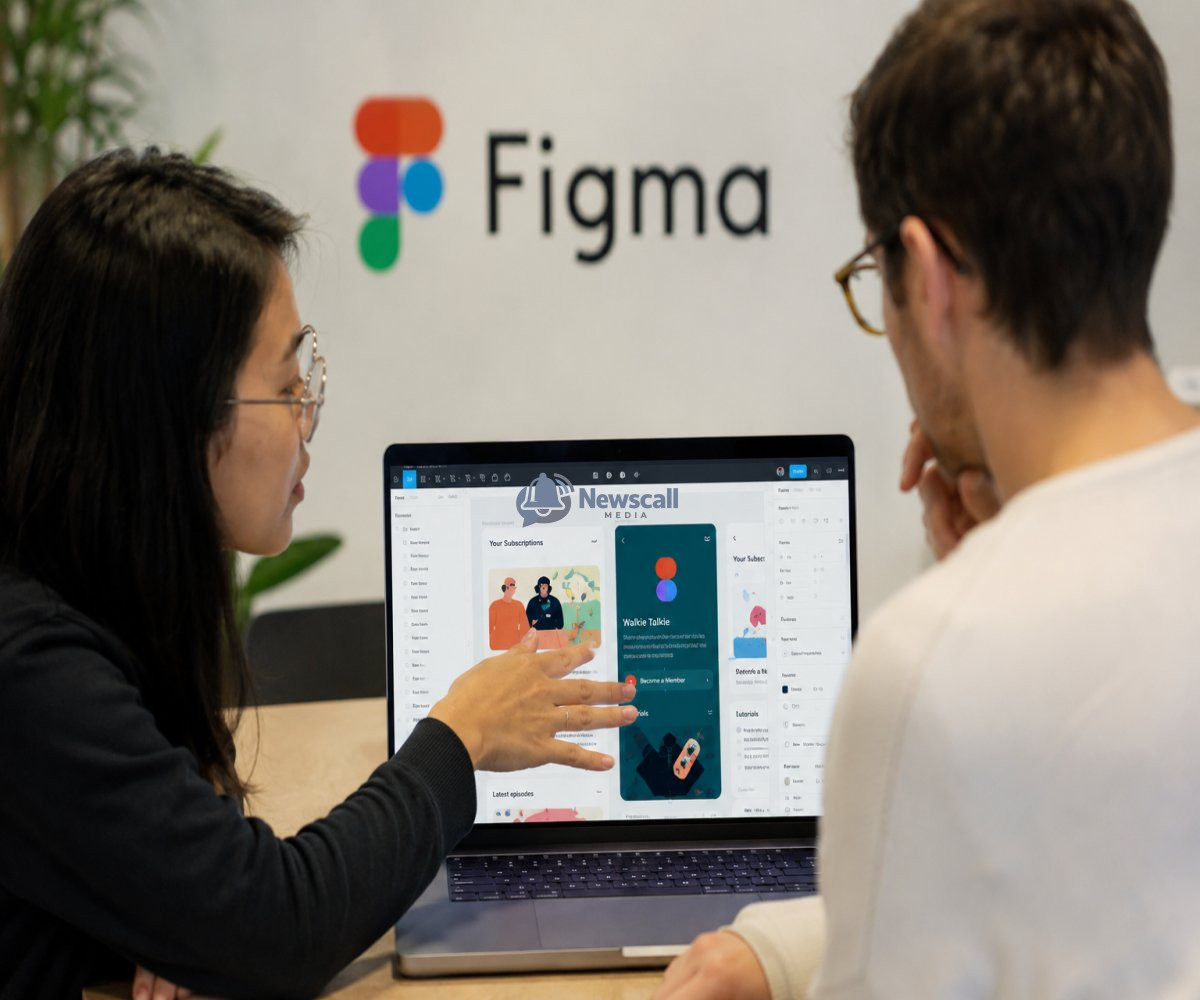
When Dylan Field started building Figma, the design industry already had established giants.
Professional design software was dominated by desktop applications that had defined creative work for years. Most people assumed serious design tools belonged offline, installed on powerful computers, and separated by files constantly passed between team members.
Figma challenged that assumption completely.
Instead of treating design as an isolated activity, the company approached it like collaboration software. The product was built directly in the browser, allowing teams to work together in real time from different locations.
At first, the idea sounded risky.
Many people questioned whether browser-based software could handle professional design work at the level modern companies required.
But the internet itself was already changing.
Cloud software was becoming more normal. Teams were becoming increasingly remote. Product development was moving faster, and collaboration was becoming more important than isolated workflows.
Figma entered the market at the exact moment those changes started accelerating.
What separated Figma from many startups was patience.
The company spent years building before becoming widely recognized. Instead of chasing attention early, the focus remained on improving the product experience and making collaboration feel seamless for design teams.
Over time, that approach started spreading naturally inside the tech industry.
Designers adopted it.
Product teams adopted it.
Startups adopted it.
And eventually, large technology companies did too.
«│ “Figma grew by becoming part of how modern teams worked.”»
As Figma’s influence expanded, it became clear the company was no longer competing as a small startup.
It was actively reshaping expectations around design software itself.
That shift became impossible to ignore when Adobe announced plans in 2022 to acquire Figma in a deal worth approximately $20 billion.
Even though the acquisition was later cancelled after regulatory scrutiny, the proposed deal revealed how strategically important Figma had become inside the software industry.
Today, Figma is used across startups, enterprises, and global technology companies around the world.
But the larger story behind its rise is not only about software.
It is about understanding where behavior was heading before the rest of the industry fully adjusted.
Figma recognized early that modern product development would become faster, more collaborative, and increasingly connected through the internet.
By building around that shift early enough, the company transformed from an experimental startup into one of the most influential platforms in modern product design.

Victor Oluebubechukwu Akuma.
Creative writer