

UNHCR Seeks Partners to Help Refugees and Returnees in DRC Build Sustainable Livelihoods.
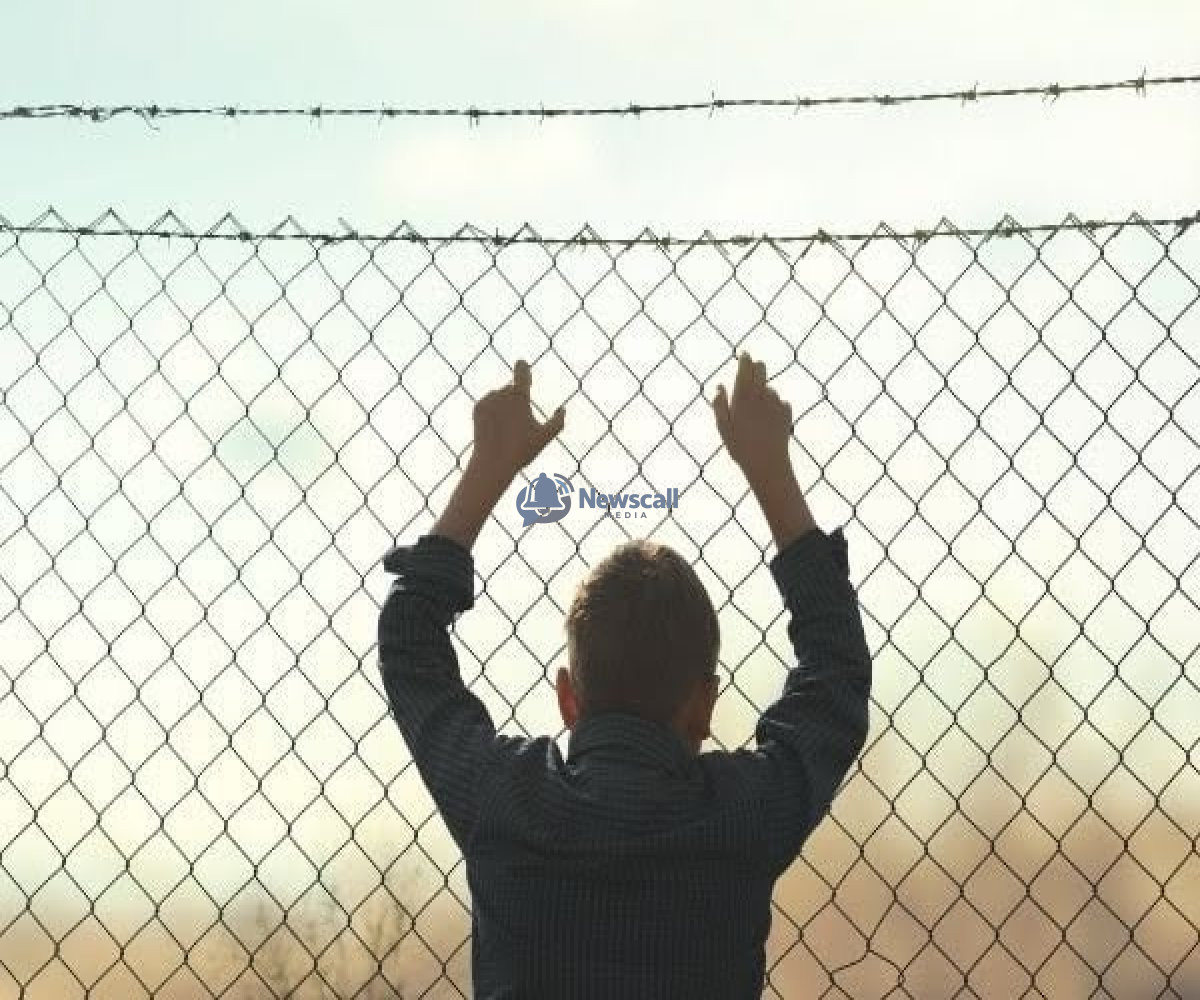
Call for proposals aims to help displaced populations achieve economic independence by 2030
The United Nations High Commissioner for Refugees (UNHCR) has announced a call for expressions of interest from organizations ready to help refugees and returnees in the Democratic Republic of the Congo build sustainable livelihoods and economic independence.
This initiative isn't just about handing out aid—it's about creating lasting change. The UNHCR is looking for partners who can help displaced people develop real skills, find meaningful work, start businesses, and eventually support themselves without relying on humanitarian assistance.
What the Programme Aims to Achieve
By 2030, the goal is clear: refugees and returnees should have genuine access to economic opportunities. The target is for at least a quarter of beneficiaries to achieve economic autonomy—meaning they can support themselves and their families through their own efforts rather than depending on aid.
But this isn't just about individual success. The programme recognises that when displaced people can participate in local economies alongside host communities, it strengthens social bonds and reduces tensions. Everyone benefits when economic opportunities are inclusive.
What Kind of Projects Are They Looking For?
The UNHCR wants to see proposals that are grounded in reality. Rather than generic training programmes, they're looking for interventions that respond to actual market needs. That means partners need to understand what employers are looking for, what products and services are in demand, and what barriers refugees face in accessing economic opportunities.
Entrepreneurship is a key focus—but again, with a practical twist. Training people to start businesses only makes sense if there's actual market demand for what they might produce or sell. Similarly, partnerships with private sector companies, financial institutions, vocational training centres, and cooperatives are expected to be part of the picture.
Measuring What Matters
The UNHCR wants to see evidence of real impact. Simply counting how many people attended a training session isn't enough. Partners will need to track whether beneficiaries actually find jobs, start successful businesses, increase their incomes, and become less dependent on humanitarian aid.
This outcome-focused approach is designed to ensure that resources are used effectively and that programmes are genuinely changing lives rather than just ticking boxes.
Sustainability Is Non-Negotiable
This isn't about short-term fixes. The UNHCR expects partners to think beyond the life of the project. That means planning how refugees can gradually access national and local economic programmes, how returnees can achieve durable reintegration, and how responsibilities can be transferred to local institutions once external support ends.
Who Should Apply?
Organisations with experience in livelihoods, economic inclusion, skills development, and private sector engagement are encouraged to apply. Proposals must be based on recent market analysis for each intervention area and demonstrate concrete partnerships that can help connect refugees and returnees with real economic opportunities.
Key Details
· Organisation: United Nations High Commissioner for Refugees (UNHCR)
· Location: Democratic Republic of the Congo
· Target Beneficiaries: Refugees and returnees
· Focus Areas: Sustainable livelihoods, economic inclusion, self-reliance, peaceful coexistence
· 2030 Target: At least 25% of beneficiaries achieve economic autonomy
· Partnerships Expected: Private sector, employers, financial institutions, vocational training centres, cooperatives, buyers, and public services
For more information and to apply, visit the UN Partner Portal.
This initiative represents an opportunity to move beyond temporary assistance toward lasting solutions. By helping refugees and returnees build economic independence, we can support not just individual wellbeing but stronger, more cohesive communities across the DRC.

Umeanozie Prosper
Writer, Novelist,blogger, content creator