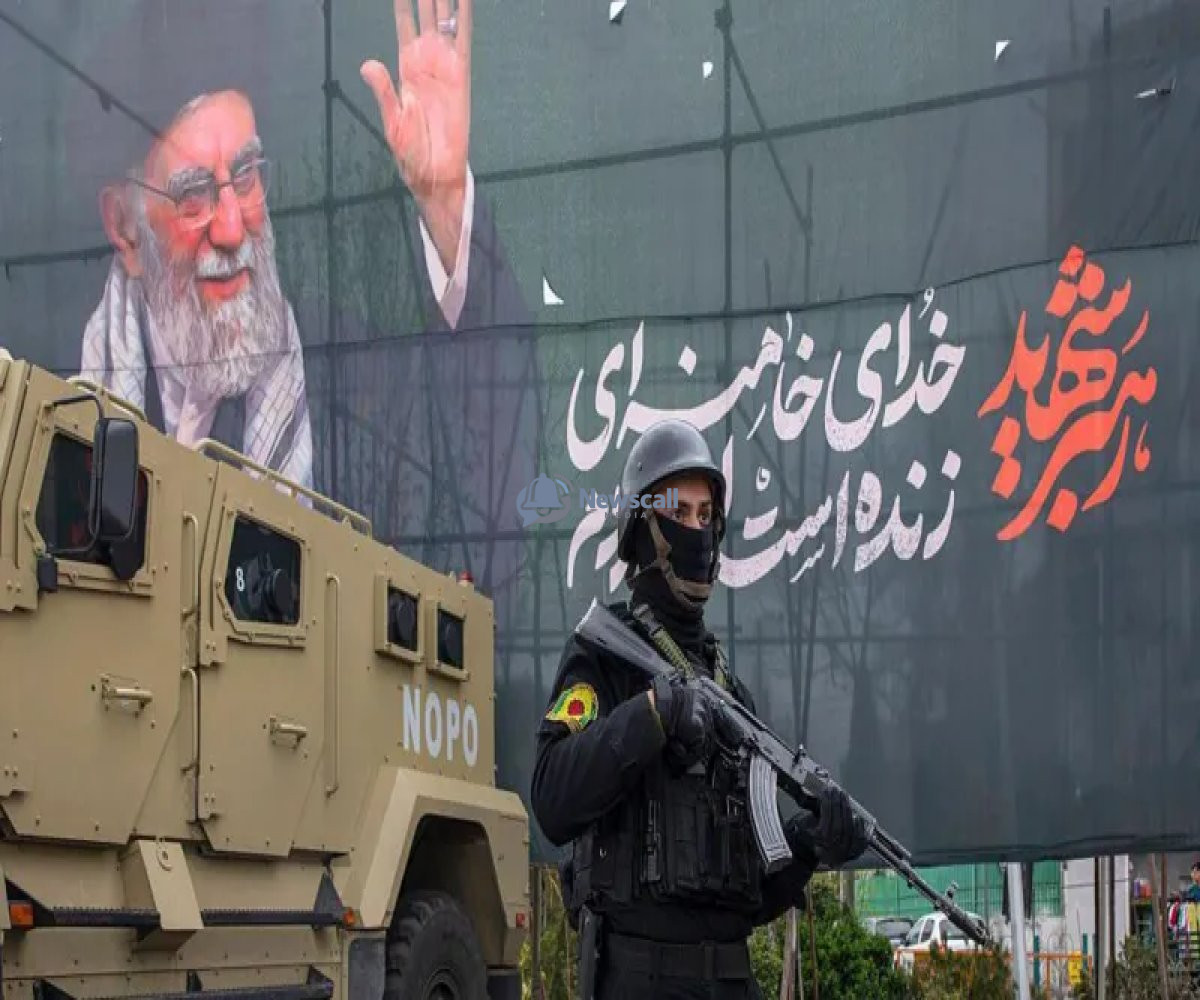


"THE WORLD IS NO LONGER RUN BY ONE TABLE:THE WORLD IS REWRITING THE RULES"
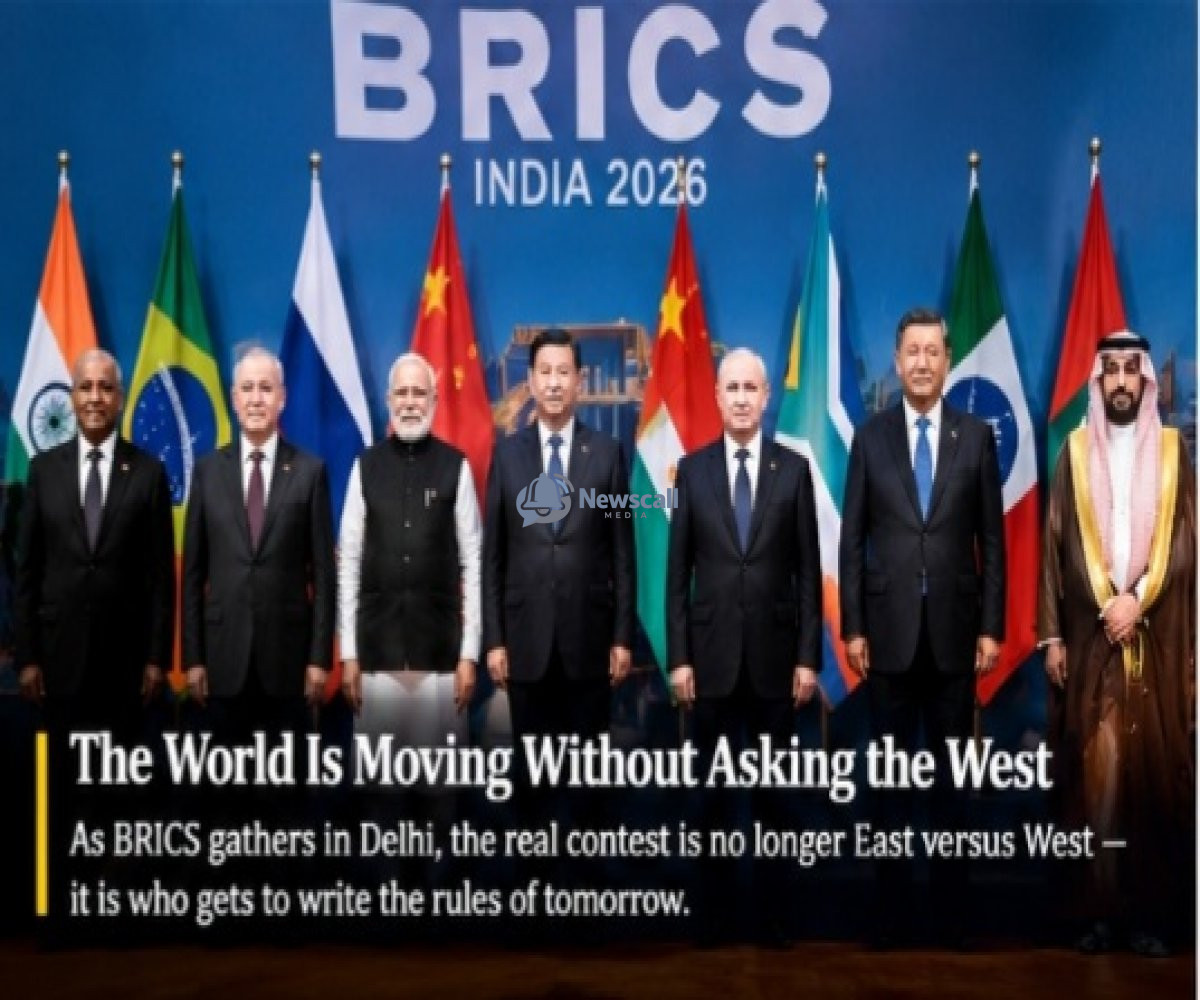
As BRICS meets in India, the global balance of power is becoming increasingly complex
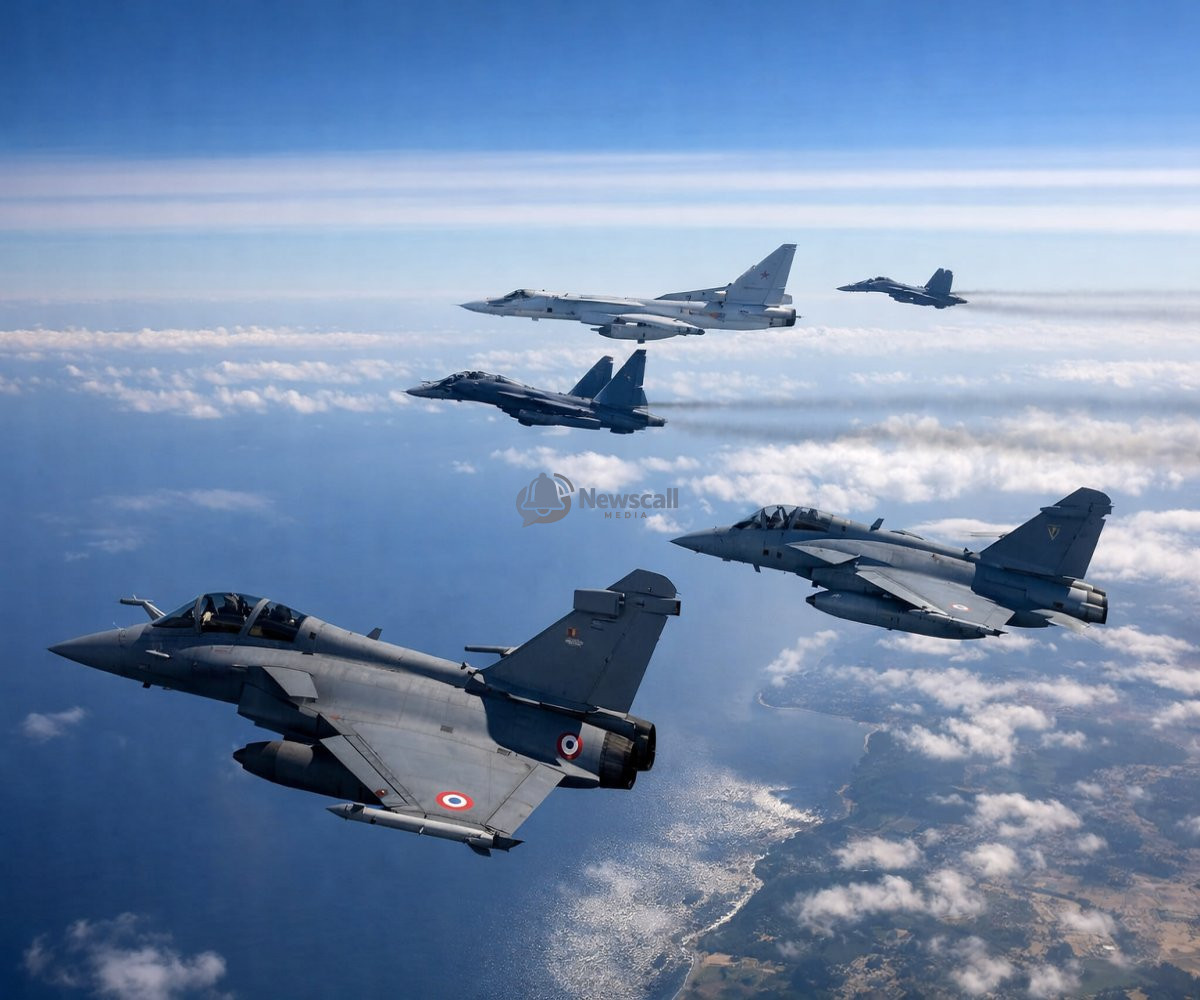
The world is entering a period in which power is no longer concentrated as clearly as it once was.
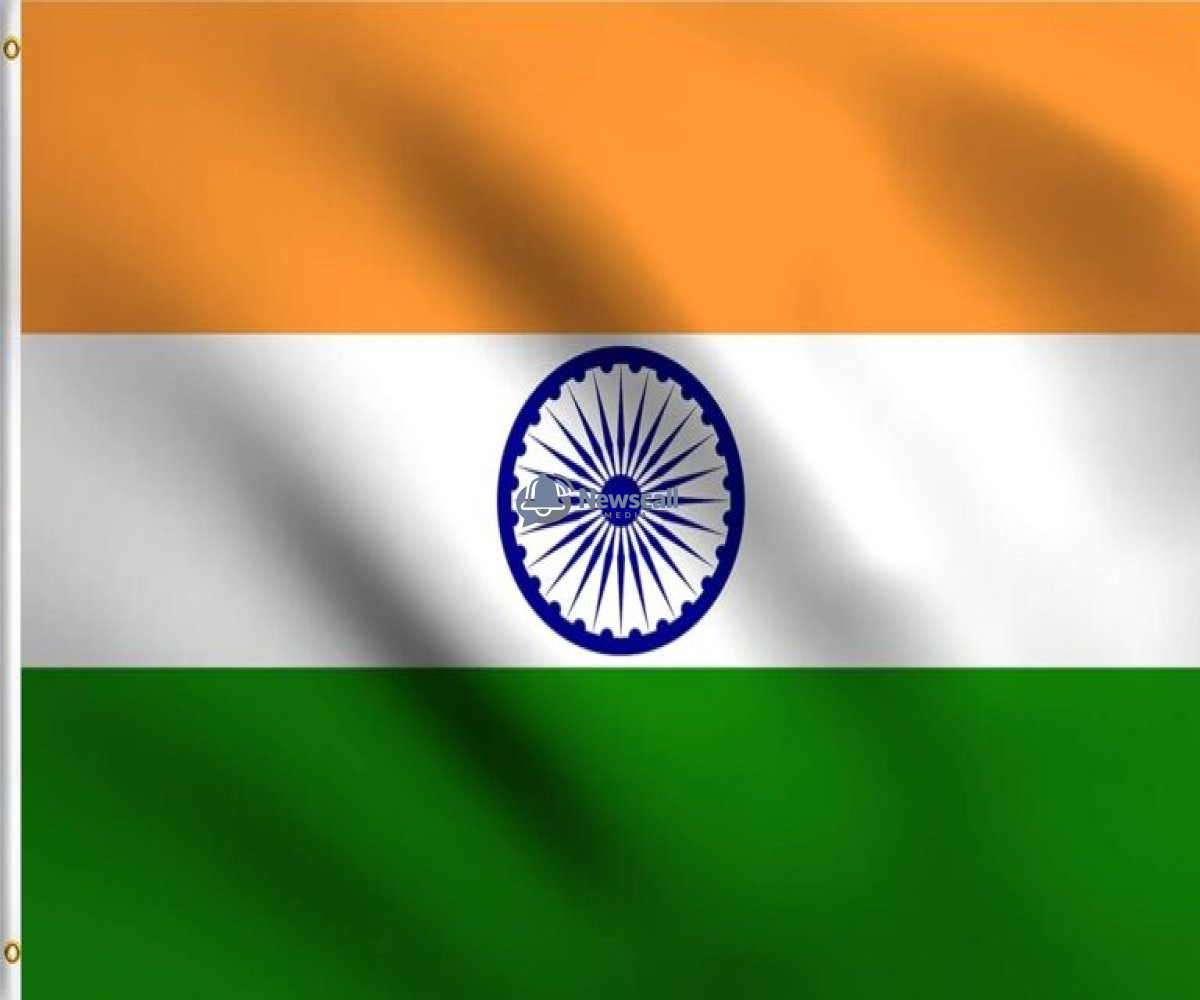
That transformation is becoming increasingly visible in New Delhi, where leaders of the BRICS group are meeting as tensions between major powers continue to reshape international politics.
The gathering comes at a difficult moment for the global community.
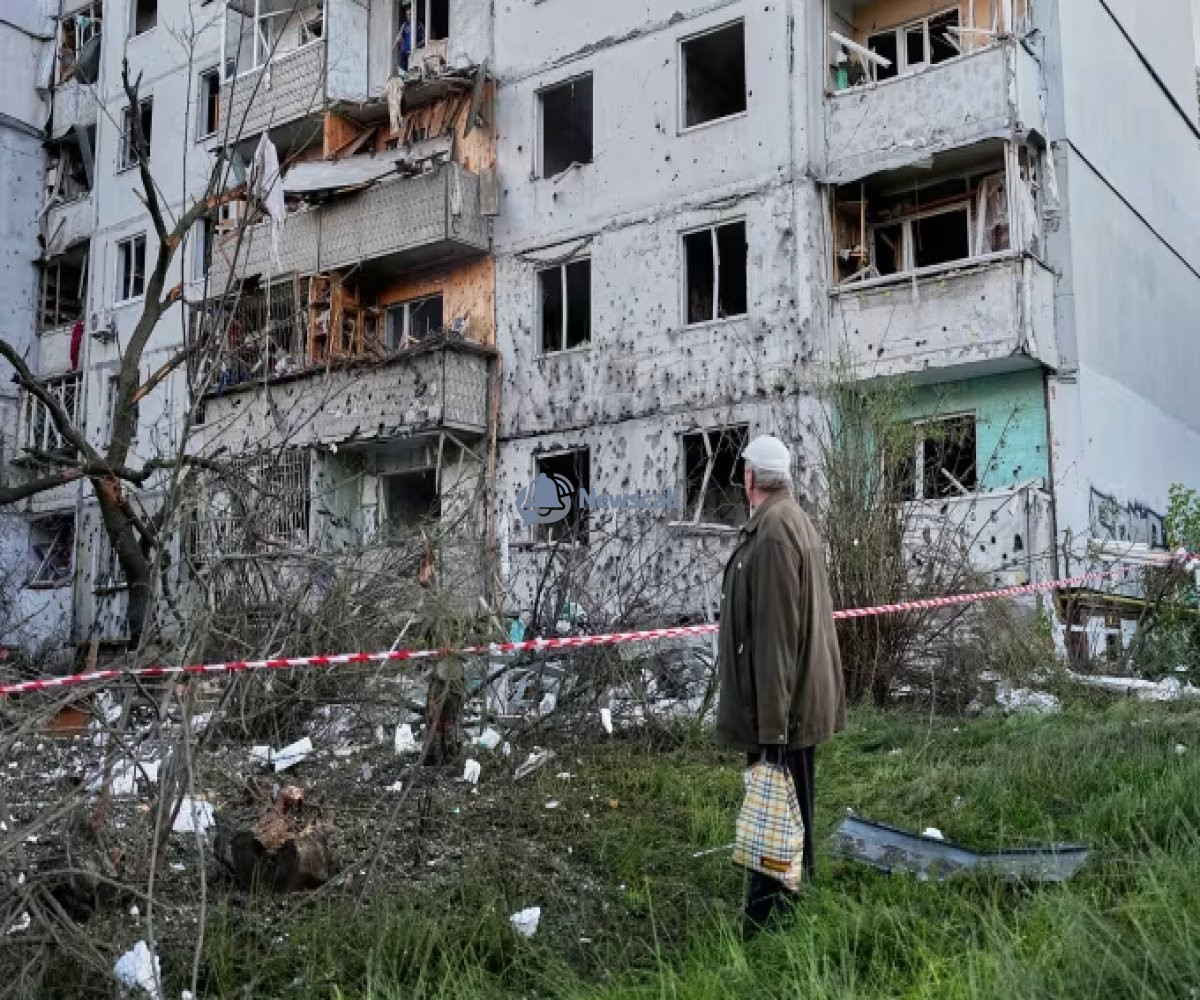
Wars continue in Ukraine and the Middle East. Relations between the United States and China remain tense. Governments are confronting economic uncertainty, while developing countries are demanding greater influence over institutions that have traditionally shaped the international financial system.
BRICS has become one of the most visible expressions of that demand.
The group, which has expanded beyond its original members, now represents roughly half of the world's population. Its members include major emerging economies with very different political systems, economic interests and foreign-policy priorities.
That diversity is both its strength and its challenge.
BRICS is not a conventional military alliance.
Its members do not agree on every international issue, and some of them have significant disagreements with one another. India and China, for example, remain strategic competitors despite their participation in the same grouping.
Yet the group does not need to function like a military alliance to be important.
Its significance lies partly in what its members are asking for.
BRICS countries have repeatedly called for reforms to international financial institutions, including the International Monetary Fund and the World Bank. Their argument is that global institutions created in a very different era should better reflect the economic and demographic realities of the twenty-first century.
The question is difficult to dismiss.
The global economy has changed dramatically since many of today's major international institutions were created.
Economic influence has expanded across Asia and other emerging regions. Countries such as China and India have become central players in global trade and investment. At the same time, many developing countries believe their political influence has not grown at the same pace as their economic importance.
The result is a growing demand for a greater voice.
But the emergence of a more multipolar world does not mean the decline of Western influence.
The United States and Europe remain major economic, technological, military and diplomatic powers.
China's rise has not eliminated America's influence.
India's growing importance has not made it an opponent of the West.
Instead, the international system is becoming more complicated.
Countries increasingly want the freedom to maintain relationships with several major powers at the same time.
India is perhaps one of the clearest examples.
It maintains important relations with the United States and Europe while retaining long-standing ties with Russia and participating actively in BRICS.
This reflects a broader approach increasingly visible across the developing world: countries want partnerships based on their national interests rather than permanent alignment with one geopolitical camp.
For Africa, this changing environment presents both an opportunity and a warning.
African countries have often found themselves at the centre of competition among larger powers seeking access to markets, resources, strategic locations and political influence.
A more multipolar world could give African governments greater bargaining power.
Instead of depending heavily on one major partner, countries could potentially negotiate with several.
China may offer infrastructure and investment.
The United States may offer technology, finance and security cooperation.
Europe remains a major trading and development partner.
India is expanding economic and diplomatic relations across Africa.
Gulf countries are increasing investment.
Russia continues to seek strategic influence.
This competition can create opportunities.
But opportunities do not automatically become development.
African countries must negotiate from positions of strength. They need transparent agreements, stronger institutions, skilled negotiators and long-term economic strategies.
Otherwise, a multipolar world could simply produce a different version of an old problem: powerful countries competing for influence while weaker countries receive limited benefits.
That is why the BRICS meeting matters beyond the countries represented in the room.
It is part of a larger debate over the future of global governance.
Who should determine the rules of international finance?
Who should have greater influence in global institutions?
How should developing countries participate in decisions that affect their economies?
Can international institutions created decades ago adapt to today's distribution of power?
And perhaps most importantly, can a more multipolar world become a more representative world?
The answers remain uncertain.
BRICS itself faces serious challenges. Its members have different political systems and competing national interests. Turning its economic weight into coordinated political influence will not be easy.
But its continued growth demonstrates something important.
The international system is changing whether established powers are prepared for that change or not.
The question is therefore no longer whether the world will become more multipolar.
The more important question is what countries will do with that reality.
For developing nations, this could be a moment to demand a stronger voice.
For established powers, it could be a moment to reconsider how global institutions operate.
And for everyone, it is a reminder that the international order is not permanent.
Power moves.
Influence changes.
Institutions evolve.
The rules of one generation eventually face the demands of another.
The meeting in New Delhi is therefore about more than BRICS.
It is about the direction of the world itself.
The twenty-first century may not belong to one country, one continent or one political bloc.
It may belong to a world in which influence is shared, contested and constantly renegotiated.
The countries that understand that transformation — and prepare intelligently for it — will have the greatest opportunity to shape what comes next.
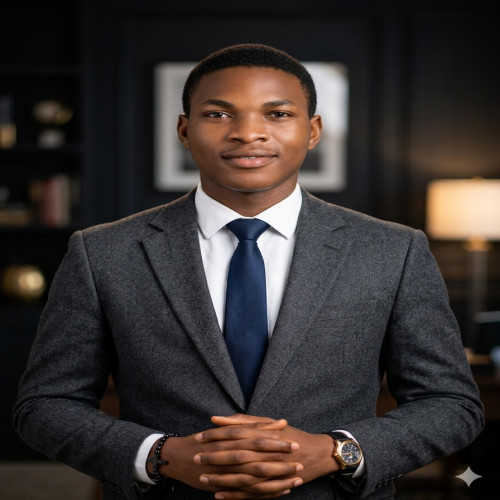
OKORO WILSON EGWU
“Independent journalist delivering sharp, reporting on global conflicts, humanitarian crises, and international diplomacy. Known for transforming complex world events into...