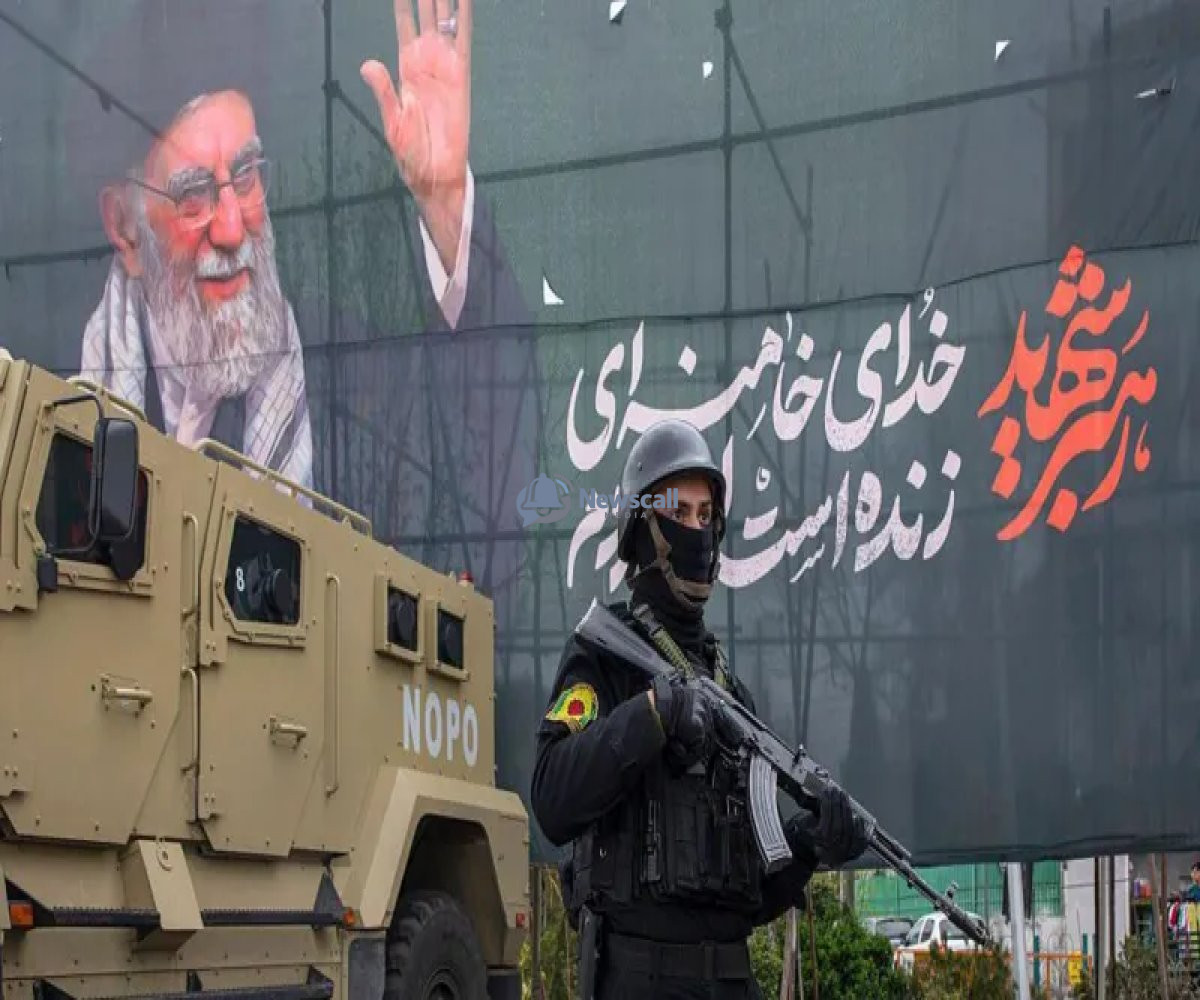
"THE WAR BEYOND THE BATTLEFIELD: How the conflict in the Middle East is becoming a global economic problem"
A war does not have to cross a country's borders to affect its people.
Sometimes, it arrives through the price of fuel. Sometimes through the cost of transporting food, running a business or travelling to work. And sometimes, it appears quietly in a household budget that no longer stretches as far as it did a month earlier.
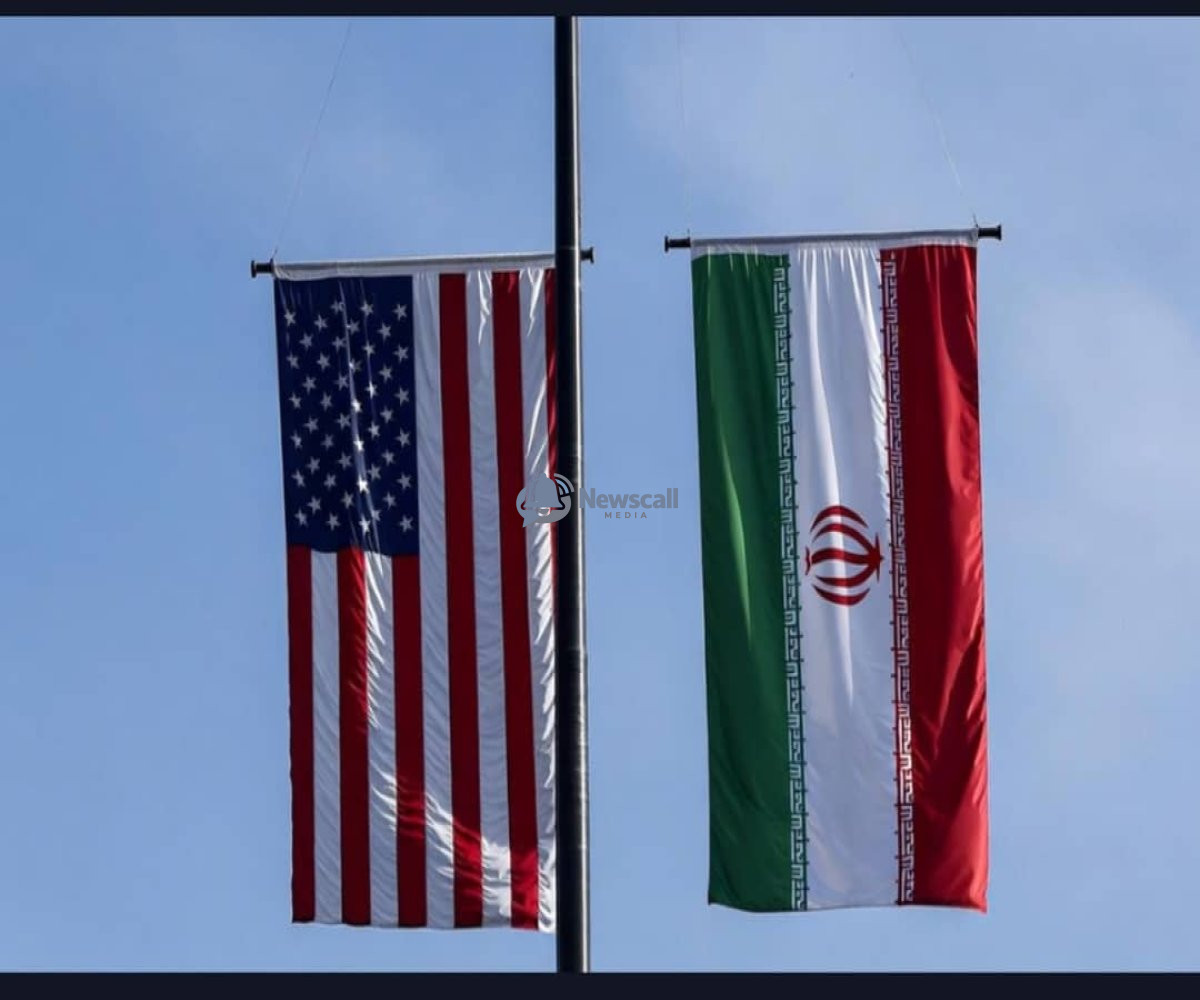
That is the growing concern surrounding the conflict involving the United States and Iran.
The fighting is taking place in the Middle East, but its economic consequences are spreading far beyond the region. Oil prices have risen above $100 a barrel as the conflict threatens major energy and shipping routes, while concerns over the security of international trade have added pressure to already uncertain global markets.
The development is a reminder of a reality that defines the modern economy: countries may be separated by thousands of kilometres, but their economies are closely connected.
Few places demonstrate this more clearly than the Strait of Hormuz.
The narrow waterway between Iran and Oman is one of the world's most important routes for the transportation of oil and other energy products. Any serious disruption to shipping through the strait can therefore affect the supply available to countries far beyond the Middle East.
The consequences begin in financial markets, but they do not necessarily end there.
When oil becomes more expensive, transporting goods becomes more expensive. Airlines, manufacturers, farmers, logistics companies and other businesses can face higher operating costs. Businesses may eventually pass some of those costs to consumers.
That can mean higher prices for food, transportation and other necessities.
For wealthy economies, a sudden energy shock can create a difficult policy problem. Governments and central banks may have to balance two competing concerns: supporting economic growth while preventing higher energy costs from feeding inflation.
For developing economies, the consequences can be even more difficult.
Many countries depend heavily on imported fuel. When international oil prices rise, governments may face increased import bills at the same time that households are struggling with higher living costs.
In countries where millions of people already spend a significant portion of their income on transportation and food, even a relatively small increase in costs can have a substantial effect.
The situation also demonstrates why shipping security matters to the entire world.
Modern trade depends on a network of major maritime routes. Ships carry fuel, food, machinery, raw materials and manufactured goods between continents. When a strategically important route becomes dangerous, vessels may have to take longer routes, increasing travel time, fuel consumption and insurance costs.
Those additional expenses eventually enter the wider economy.
This is why the Middle East conflict should not be viewed only through the lens of military developments.
The missiles, military operations and diplomatic statements are the visible part of the crisis. Beneath them is another struggle: the effort to keep the global economy functioning despite growing geopolitical instability.
The threat is particularly serious because the global economy was already facing uncertainty.
Governments are managing high levels of debt. Consumers in many countries remain sensitive to the cost of living. Businesses are trying to navigate changing trade relationships and interest rates. A prolonged energy shock could make those challenges more difficult.
The International Monetary Fund has continued to project global growth, but it has also warned that significant risks remain. A major and sustained disruption to energy supplies would create another obstacle for countries trying to maintain economic stability.
For ordinary people, however, these international developments are rarely expressed in economic terminology.
They are expressed in questions.
How much will petrol cost?
Will transportation become more expensive?
Can my business continue to operate at the same cost?
Will food prices rise again?
Can my salary keep pace?
These are the questions that turn a distant conflict into a personal experience.
And that is perhaps the most important lesson from the present crisis.
Globalisation has created enormous opportunities. Countries can trade with one another on a scale that previous generations could scarcely imagine. A product can be designed in one country, manufactured in another and sold on a third continent.
But interdependence also creates vulnerability.
The same connections that allow prosperity to travel quickly can allow disruption to travel just as quickly.
A conflict in one region can therefore affect markets on another continent. A decision made by one government can influence the cost of living for people who have never visited that country.
The world economy has become too interconnected for countries to assume that distant wars are somebody else's problem.
The challenge now is not simply to end a conflict.
It is to prevent a regional confrontation from becoming a broader crisis for global trade, energy security and economic stability.
For millions of people, the outcome will not be measured only by what happens on the battlefield.
It will also be measured at petrol stations, in supermarkets, in factories, on public transport and inside family homes.
That is when a war thousands of kilometres away stops being distant.
It enters our pockets.

OKORO WILSON EGWU
“Independent journalist delivering sharp, reporting on global conflicts, humanitarian crises, and international diplomacy. Known for transforming complex world events into...