

"25 YEARS AFTER 9/11: THE WORLD WE BECAME"
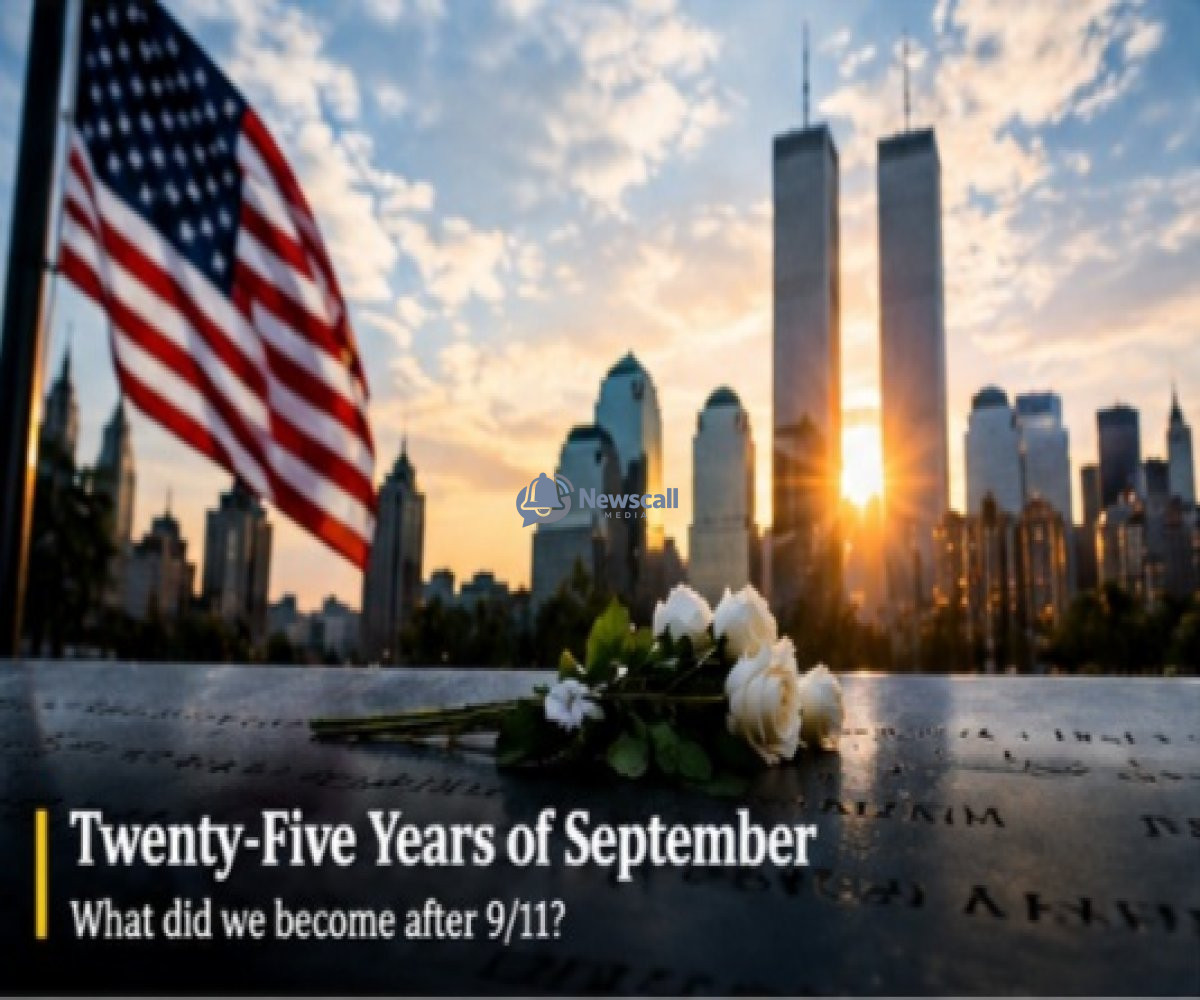
A quarter-century after 9/11, the world remembers the victims and examines the consequences.
Twenty-five years ago, the world changed in a matter of hours.
On September 11, 2001, hijacked passenger planes were used in attacks against the United States. The World Trade Center in New York was destroyed, the Pentagon was struck, and another aircraft crashed in Pennsylvania.
Nearly 3,000 people were killed.
Today, a quarter of a century later, families, officials and communities across the United States are remembering the victims.
But September 11 is more than an anniversary.
It is one of the defining moments of modern international history.
The attacks transformed American foreign policy, reshaped international security and influenced the lives of people far beyond the United States. They were followed by wars, counterterrorism campaigns, new security measures and a global debate over the balance between national security and individual freedom.
Twenty-five years later, the world is still living with many of those consequences.
The anniversary therefore presents two responsibilities.
The first is to remember those who died.
The second is to examine what happened afterward.
The first responsibility is straightforward.
Behind the number of victims were individual lives: parents, children, spouses, friends, colleagues and communities. Thousands of families lost people they expected to see again that evening.
Firefighters, police officers, emergency workers and ordinary citizens were caught in an extraordinary tragedy.
For the families who lost loved ones, the passage of twenty-five years does not erase the significance of that day.
But history demands a wider examination.
In the years following the attacks, the United States launched military operations in Afghanistan and later invaded Iraq. Governments around the world strengthened counterterrorism measures. Intelligence agencies expanded their capabilities, while airports and borders introduced security procedures that are now considered routine.
A generation grew up knowing words such as terrorism, homeland security and counterterrorism as ordinary parts of political discussion.
The attacks also affected communities far from the United States.
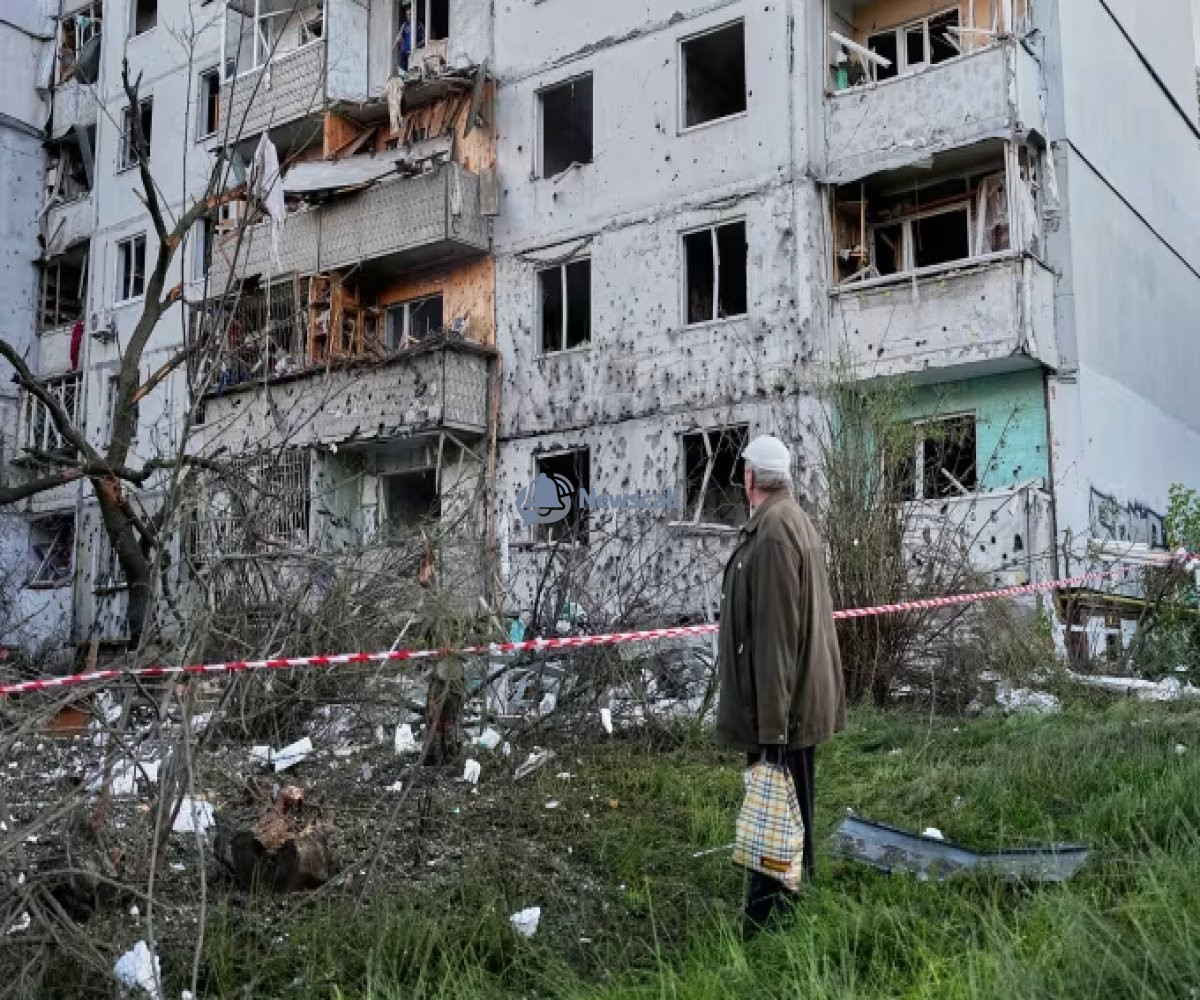
Muslim communities in different parts of the world experienced increased suspicion and discrimination. Refugee populations were affected by conflicts that followed. Soldiers were deployed thousands of kilometres from their homes, while civilians in conflict zones paid an enormous price.
The consequences of September 11 therefore cannot be understood only through the experience of one country.
Its effects became international.
That is why the twenty-fifth anniversary deserves more than ceremonies.
It deserves reflection.
One of the most difficult questions is whether the world became safer as a result of the enormous security efforts that followed the attacks.
There is no simple answer.
Governments undoubtedly developed stronger systems for identifying and responding to terrorist threats. International intelligence cooperation increased. Airport security became dramatically more sophisticated.
Yet terrorism did not disappear.
Neither did war.
The world today continues to experience major conflicts and geopolitical tensions. The Middle East remains unstable, while competition among major powers has introduced new security challenges.
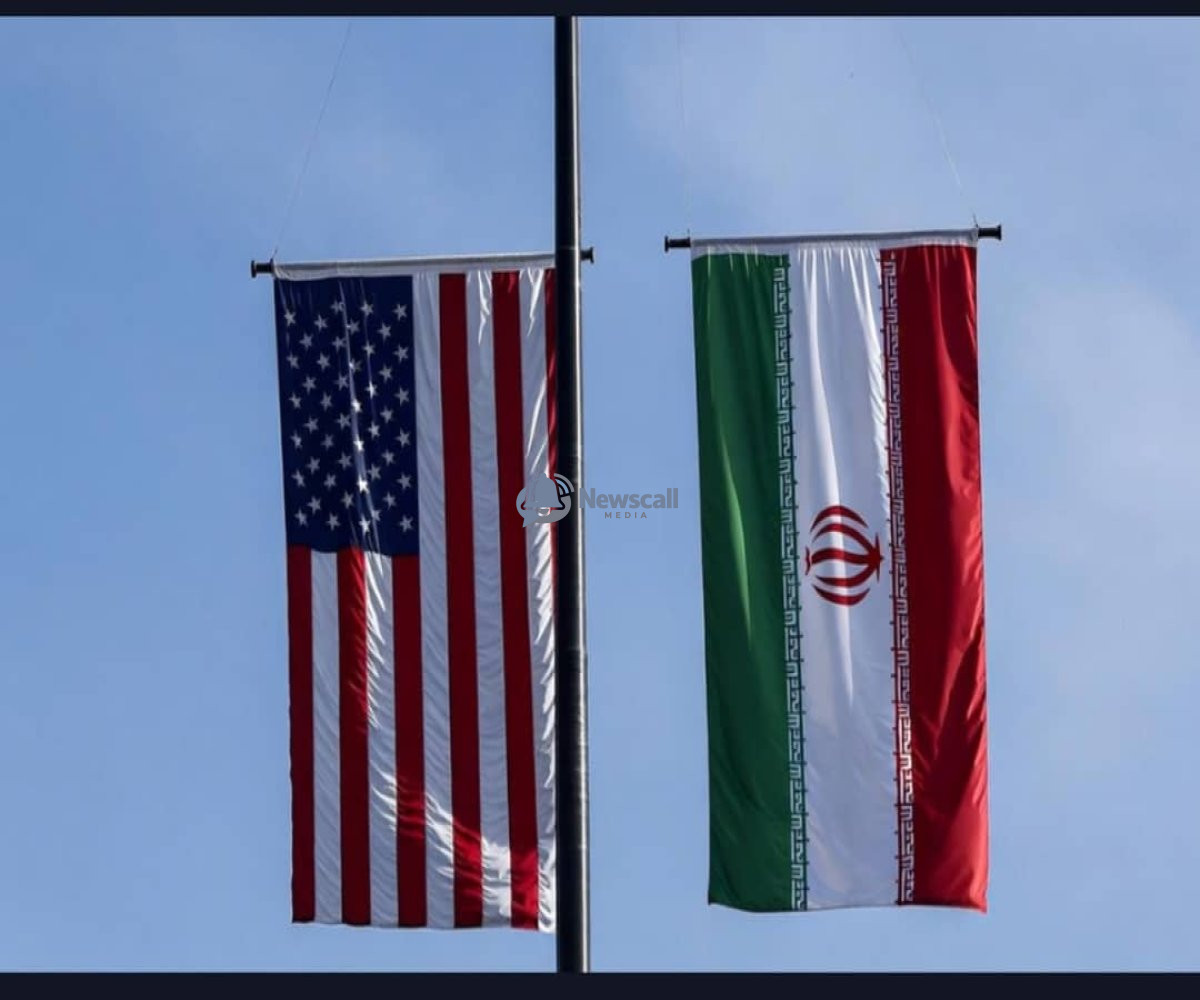
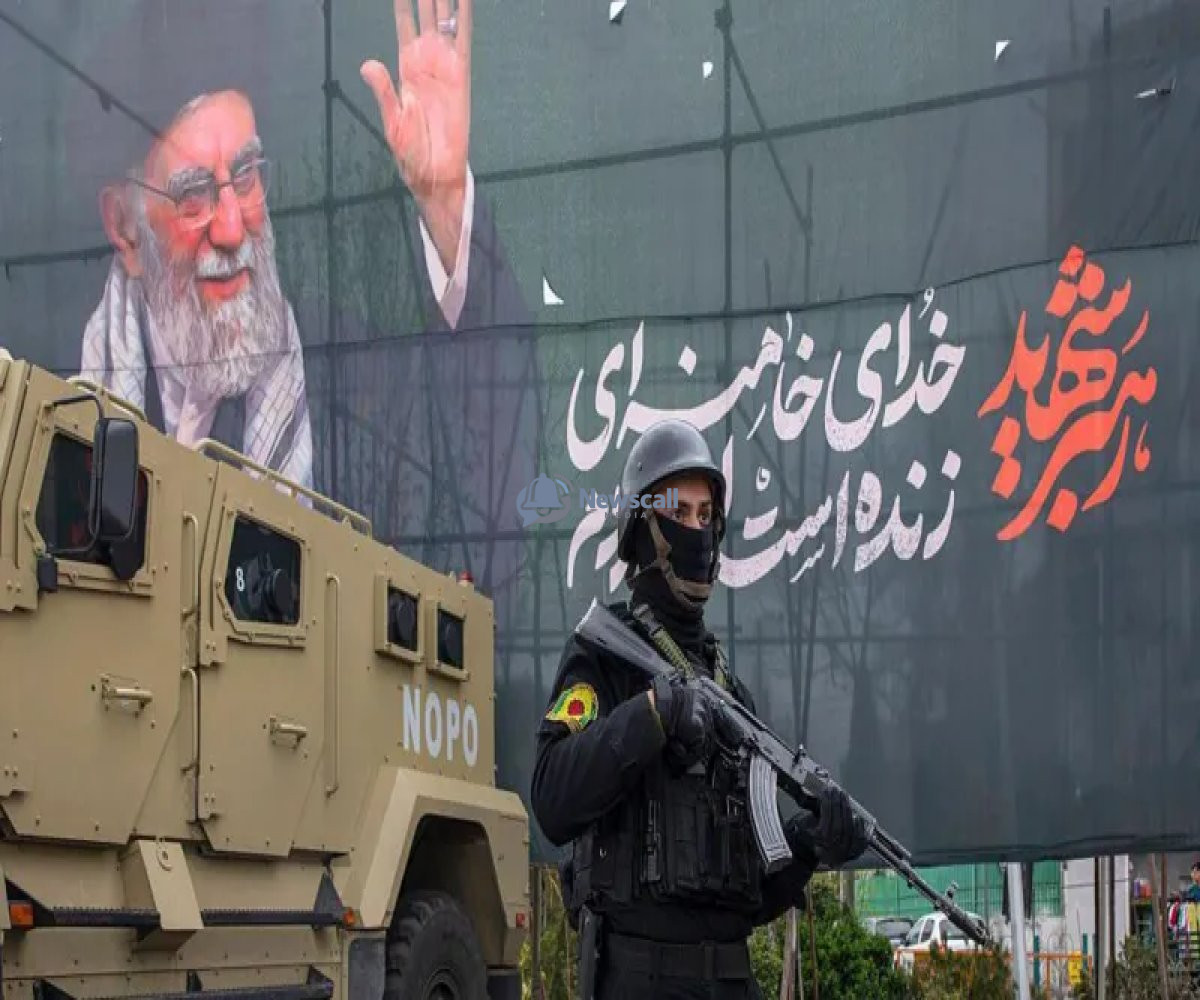
The current conflict involving the United States and Iran is a reminder that the international system remains vulnerable to escalation. Beyond the battlefield, the conflict is affecting energy markets and threatening important shipping routes.
The lesson is not that the world learned nothing after September 11.
Rather, it is that security is more complicated than military strength alone.
A country can possess powerful weapons and sophisticated intelligence systems and still face political instability, extremism, economic insecurity and social division.
Military action can remove a threat without necessarily eliminating the conditions that produced it.
Security also depends on diplomacy, functioning institutions, economic opportunity, education and the ability of societies to resolve disputes without resorting to violence.
This is especially important for younger generations.
Millions of people alive today were not born when the attacks occurred. For them, September 11 is history rather than personal memory.
That makes education important.
They should know what happened, but they should also understand the wider consequences.
They should understand that history is not simply a collection of dates.
It is a chain of decisions.
One event can influence another. A decision taken in Washington can affect Kabul. A war can produce displacement across borders. A security policy introduced in one country can become a global standard.
The world is connected by consequences.
Twenty-five years after September 11, remembering the victims should therefore involve more than looking backward.
It should also involve asking what the international community has learned about violence, security and peace.
The greatest tribute to those who died cannot simply be another ceremony.
It must be a commitment to reducing the conditions that allow violence to flourish.
The objective should not be a world without disagreement. Such a world is impossible.
The objective should be a world in which disagreement does not automatically become conflict, and conflict does not automatically become war.
September 11 remains a day of grief.
But it is also a day for responsibility.
Twenty-five years later, the question is not only what happened on that terrible morning.
The more difficult question is what humanity chose to do afterward — and what it will choose to do next. Or does history really teach that history teaches nothing.

OKORO WILSON EGWU
“Independent journalist delivering sharp, reporting on global conflicts, humanitarian crises, and international diplomacy. Known for transforming complex world events into...