

US and Iran Strike a Deal to Reopen the Strait of Hormuz But Don’t Expect Oil Prices to Drop Overnight.
After months of conflict, the US and Iran have reportedly reached a preliminary agreement to end their war. The news, announced on Sunday, has already caused oil prices to dip and sparked hope that the global energy crisis might finally ease. President Donald Trump celebrated the deal on social media, writing, “Ships of the World, start your engines. Let the oil flow!”
The centerpiece of the agreement is the reopening of the Strait of Hormuz, a narrow but vital waterway through which nearly a fifth of the world’s oil and natural gas normally passes. Tehran had effectively shut down shipping through the strait since the war began on February 28, 2026, triggering one of the worst oil supply disruptions in history.
Back then, experts predicted prices could soar to $150–$200 a barrel. In reality, they peaked at around $120 before settling back down. Why? A mix of factors kept things in check: the US ramped up its own crude exports, China slashed imports and tapped into its massive stockpiles, countries released strategic reserves, and many simply hoped the war would end soon.
But those stockpiles are now running dangerously low. Between March and May, global oil inventories fell by an average of 5.3 million barrels per day. Analysts warn that “buffers are becoming thinner,” and if the strait stayed closed much longer, prices could have shot up to $150 this summer.
Now that a deal is in sight, the big question is: how fast can things return to normal?
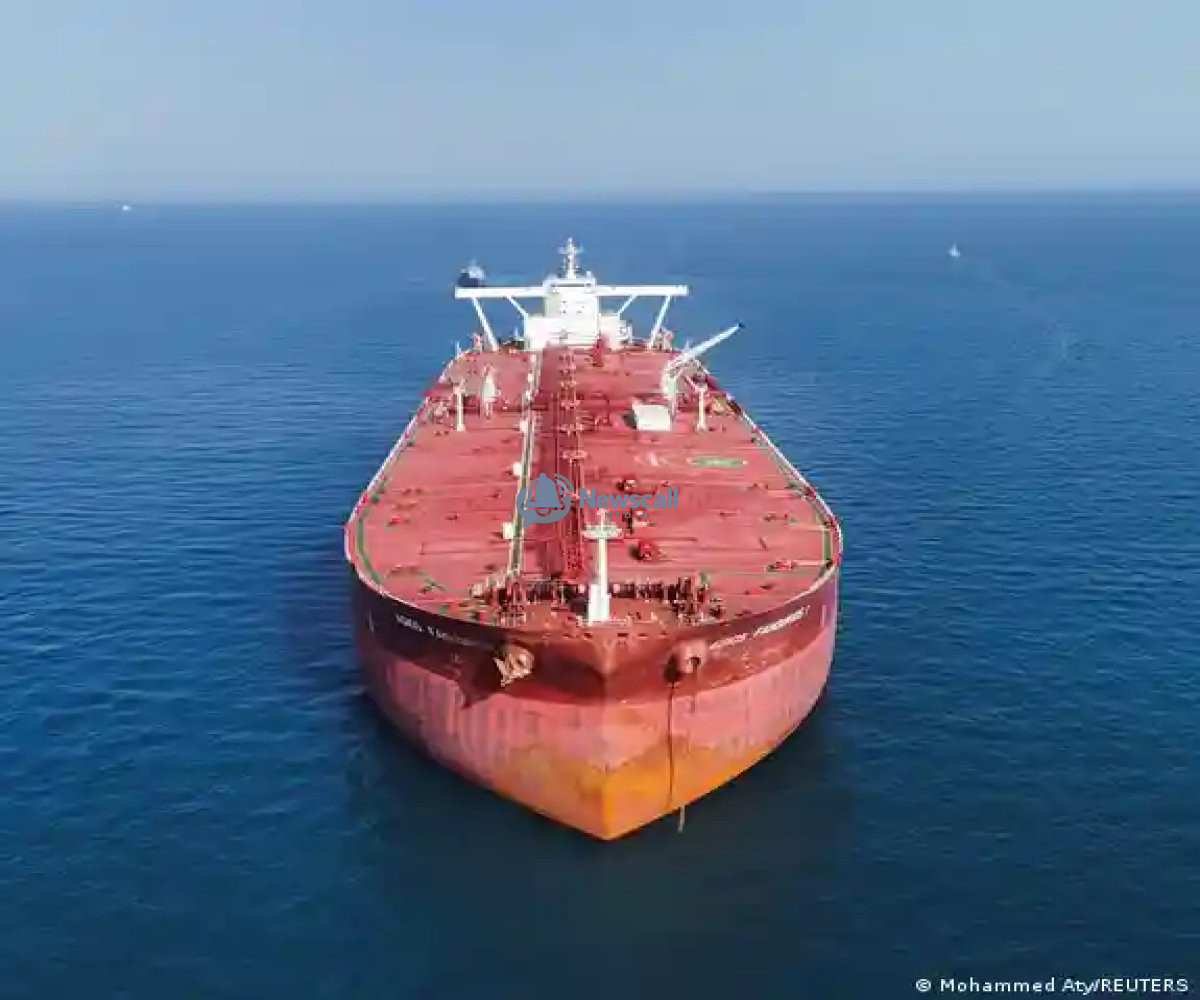
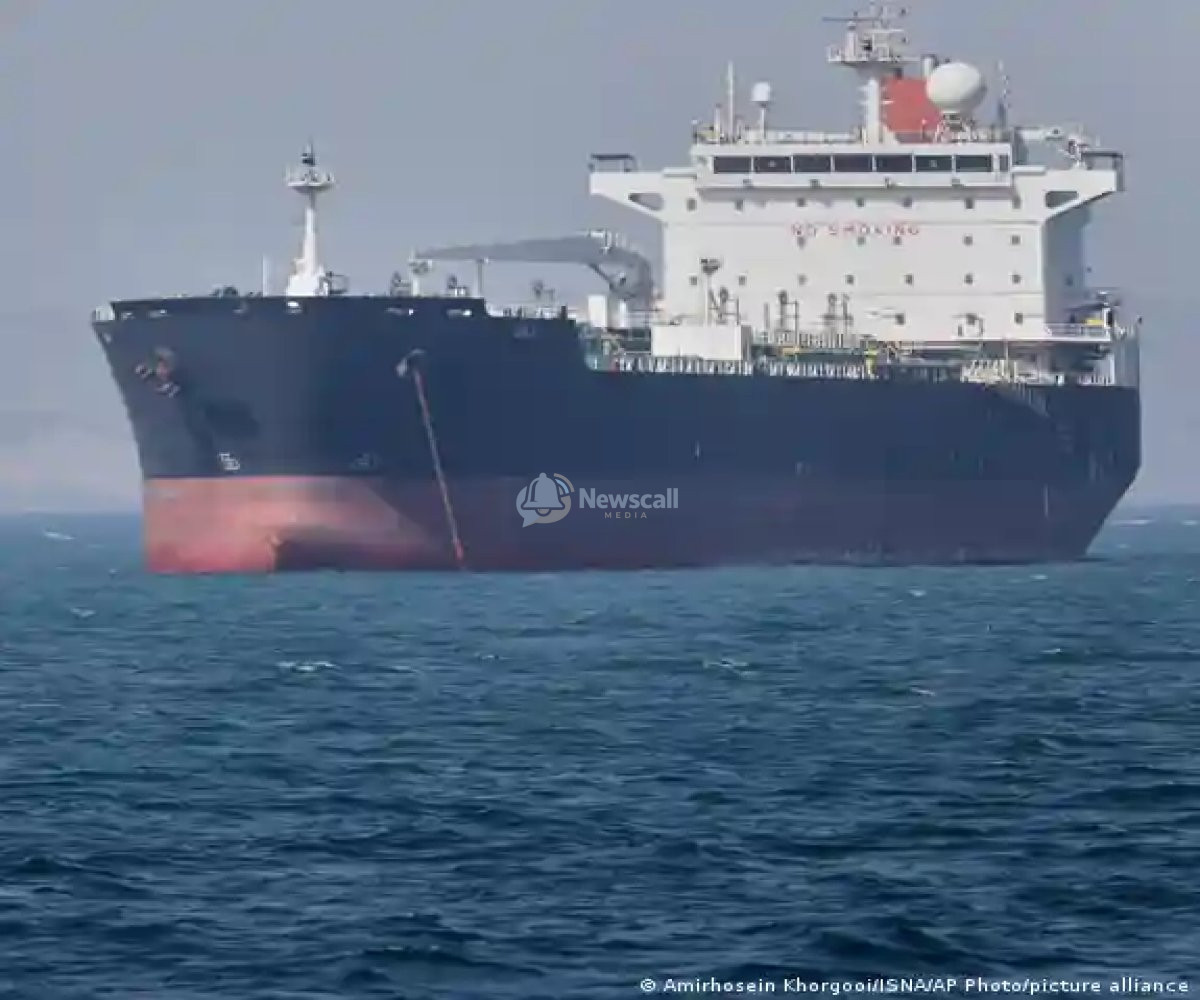
Experts say it will likely take months. Hundreds, maybe thousands, of tankers are still stranded in the Persian Gulf. Sea mines need to be cleared. Damaged oil fields and pipelines must be repaired. Insurance for ships passing through the strait remains a major question mark. Some energy producers even shut down completely because they ran out of storage space.
As one analyst put it, “It’s certainly going to be months rather than weeks.” Another firm estimates that about 80% of normal energy flows could resume by the end of the third quarter of the year.
So while the deal is a huge step forward, anyone hoping for immediate relief at the pump or a swift end to the global energy crunch will need to be patient.

Umeanozie Prosper
Writer, Novelist,blogger, content creator