

Why Notifications Became One of Tech’s Most Powerful Tools
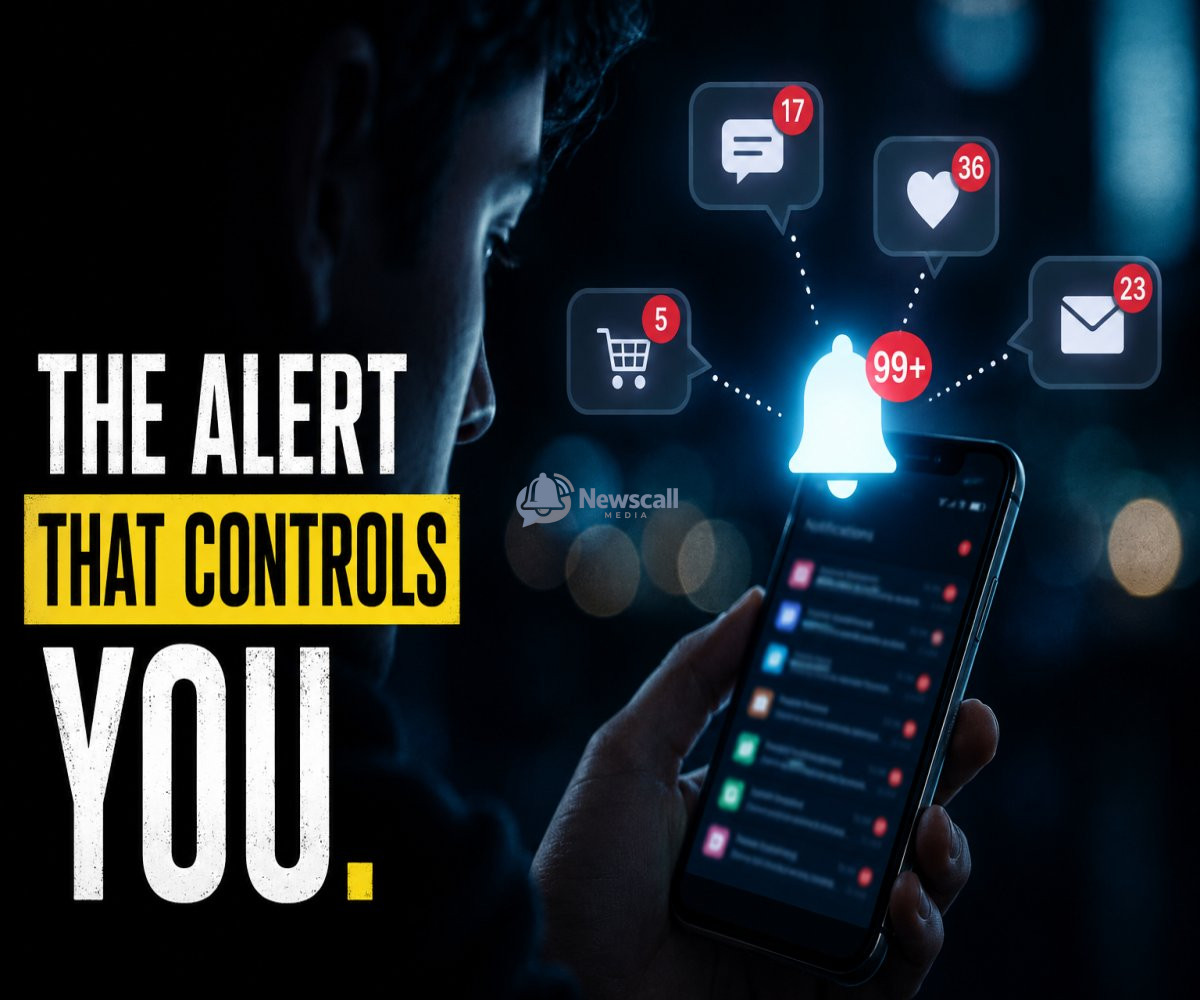
Modern smartphones rarely stay silent for long.
A vibration.
A message preview.
A red badge icon.
A reminder from an app you barely opened yesterday.
These tiny interruptions may seem harmless individually.
But together, notifications became one of the most powerful systems shaping digital behavior in the modern internet era.
At first, notifications were designed simply for utility.
They informed users about:
- messages
- emails
- calendar reminders
- urgent updates
The goal was convenience.
But as digital platforms became more competitive, notifications evolved into something much larger:
A tool for capturing human attention repeatedly throughout the day.
Modern apps increasingly compete not only for downloads…
But for continuous engagement.
And notifications became one of the fastest ways to pull users back into platforms repeatedly.
Social media apps notify users about:
- likes
- comments
- follows
- trending posts
- live streams
Shopping apps alert users about discounts and limited offers.
Streaming platforms recommend new content instantly.
Even productivity apps send reminders designed to encourage daily usage.
The modern internet increasingly runs on re-engagement systems.
Platforms like TikTok, Instagram, YouTube, and Snapchat heavily optimized notifications because attention directly affects growth, advertising revenue, and user retention.
The more frequently users return, the more valuable platforms become commercially.
Attention became measurable.
And notifications became one of the tools managing it.
Many modern notification systems are powered by behavioral data.
Apps analyze:
- user activity patterns
- engagement timing
- scrolling habits
- viewing behavior
- interaction frequency
This helps platforms determine when users are most likely to return or interact.
Some notifications are no longer simply informational.
They are strategically timed engagement triggers.
Psychologically, notifications work because they create anticipation and curiosity.
Humans naturally respond strongly to:
- uncertainty
- social feedback
- rewards
- urgency
- fear of missing out
A single notification can trigger emotional reactions instantly, even before users open the app itself.
Over time, this created deeply habitual digital behavior.
But the rise of notification-driven platforms also introduced growing concerns.
Critics increasingly argue that constant digital interruptions contribute to:
- reduced focus
- shorter attention spans
- digital fatigue
- anxiety
- compulsive phone checking
As platforms compete more aggressively for attention, many users feel overwhelmed by continuous digital stimulation.
Still, notifications remain one of the internet’s most effective engagement systems.
Because in today’s digital economy, the companies that keep user attention longest often gain the greatest advantage.
And surprisingly, some of the most powerful technologies shaping modern online behavior are not always massive algorithms or futuristic AI systems…
Sometimes they are simply the small alerts appearing quietly on a screen every few minutes.

Victor Oluebubechukwu Akuma.
Creative writer