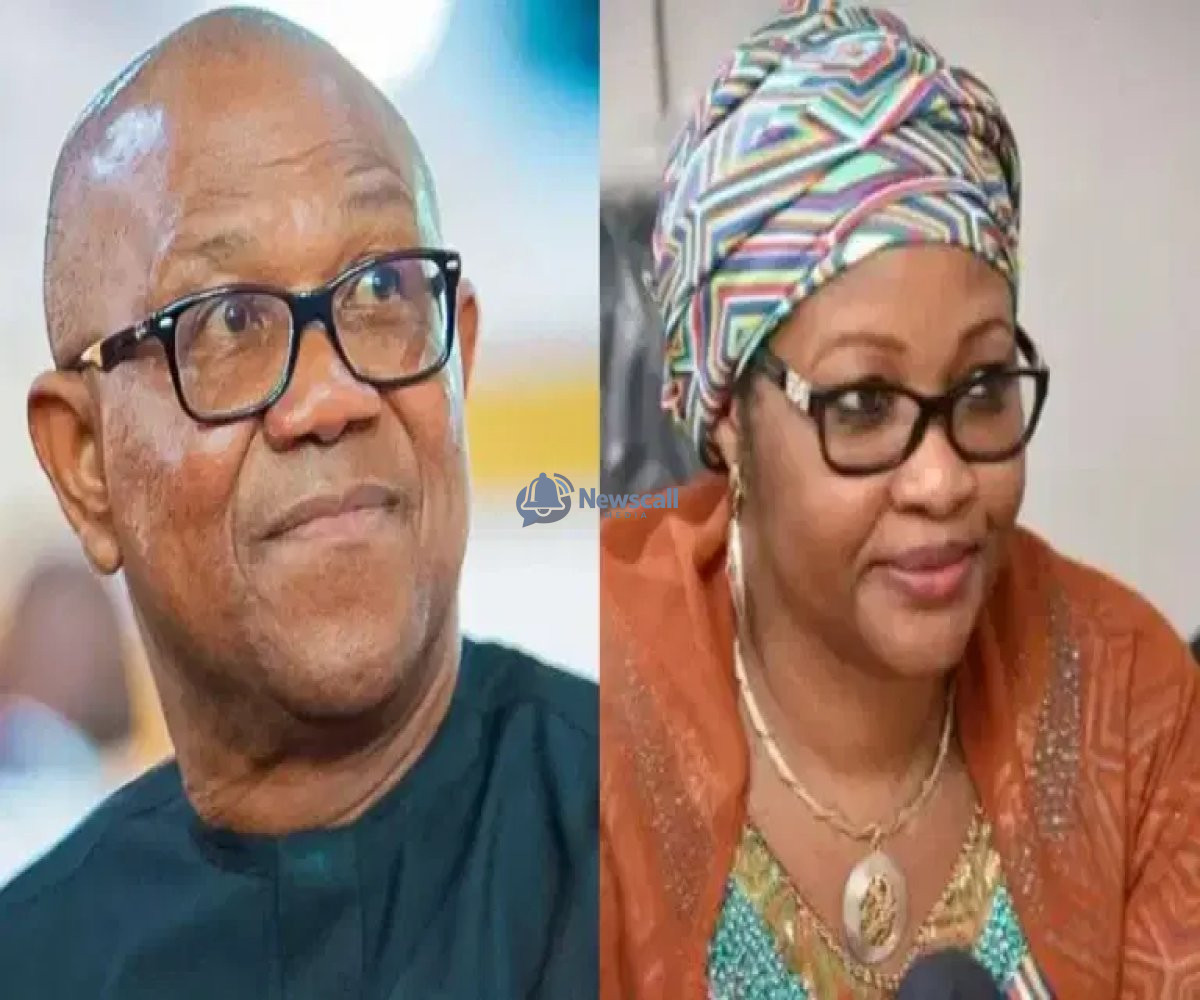


2027 Election: A Two-Way Test for Both Tinubu and Opposition, Analyst Argues.
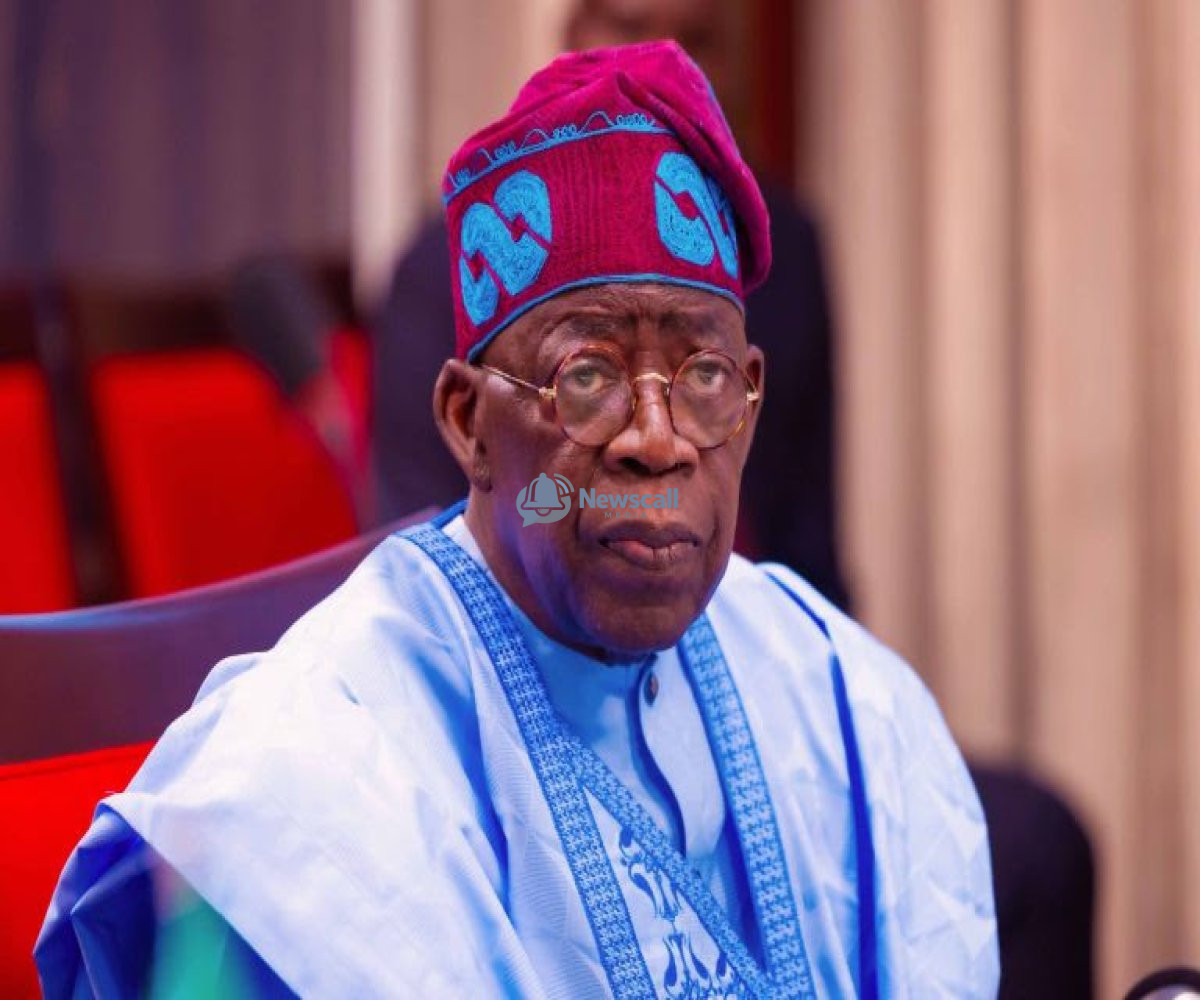
Political analyst says Nigerians will judge both the president's performance and the opposition's readiness in upcoming polls.
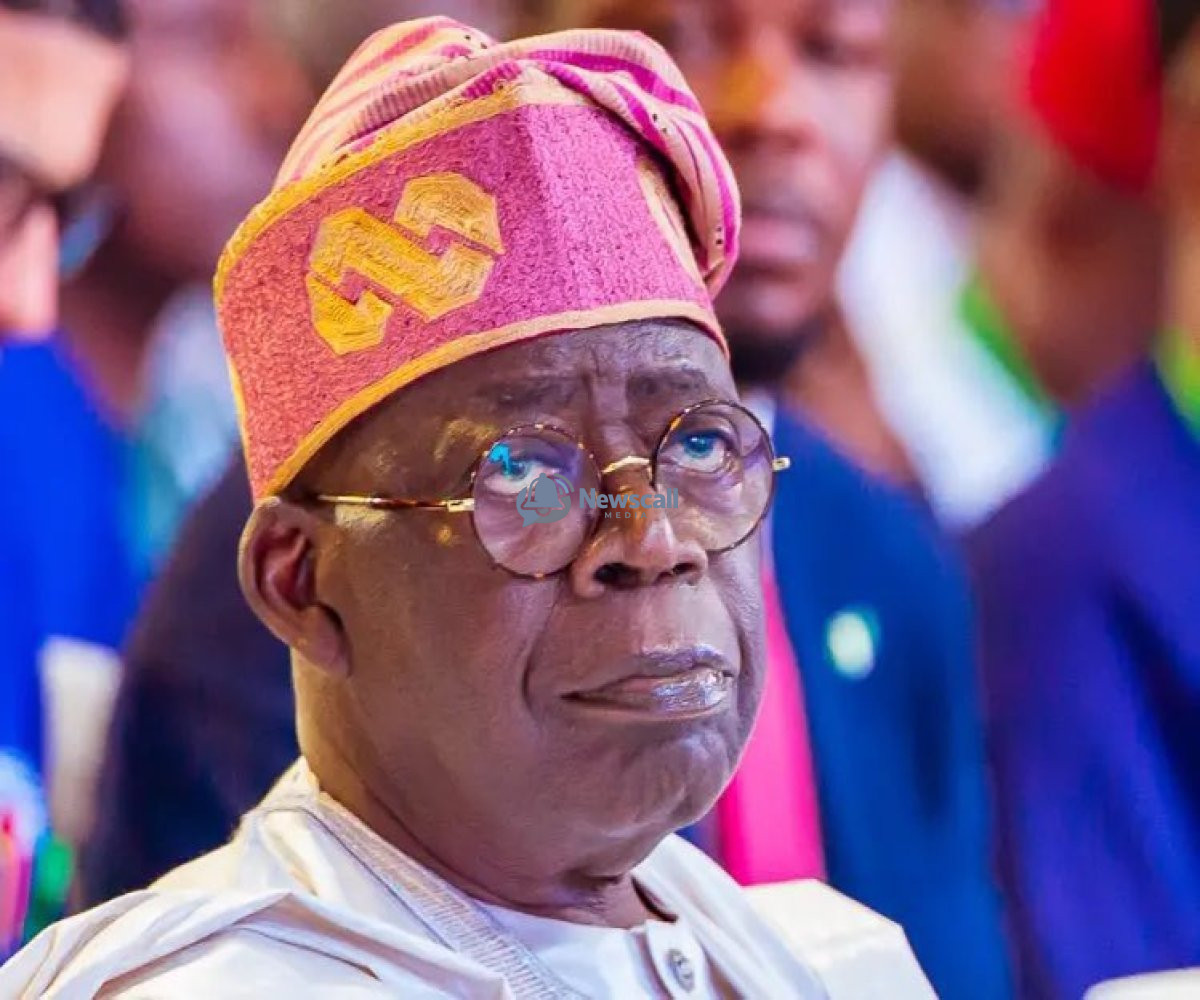
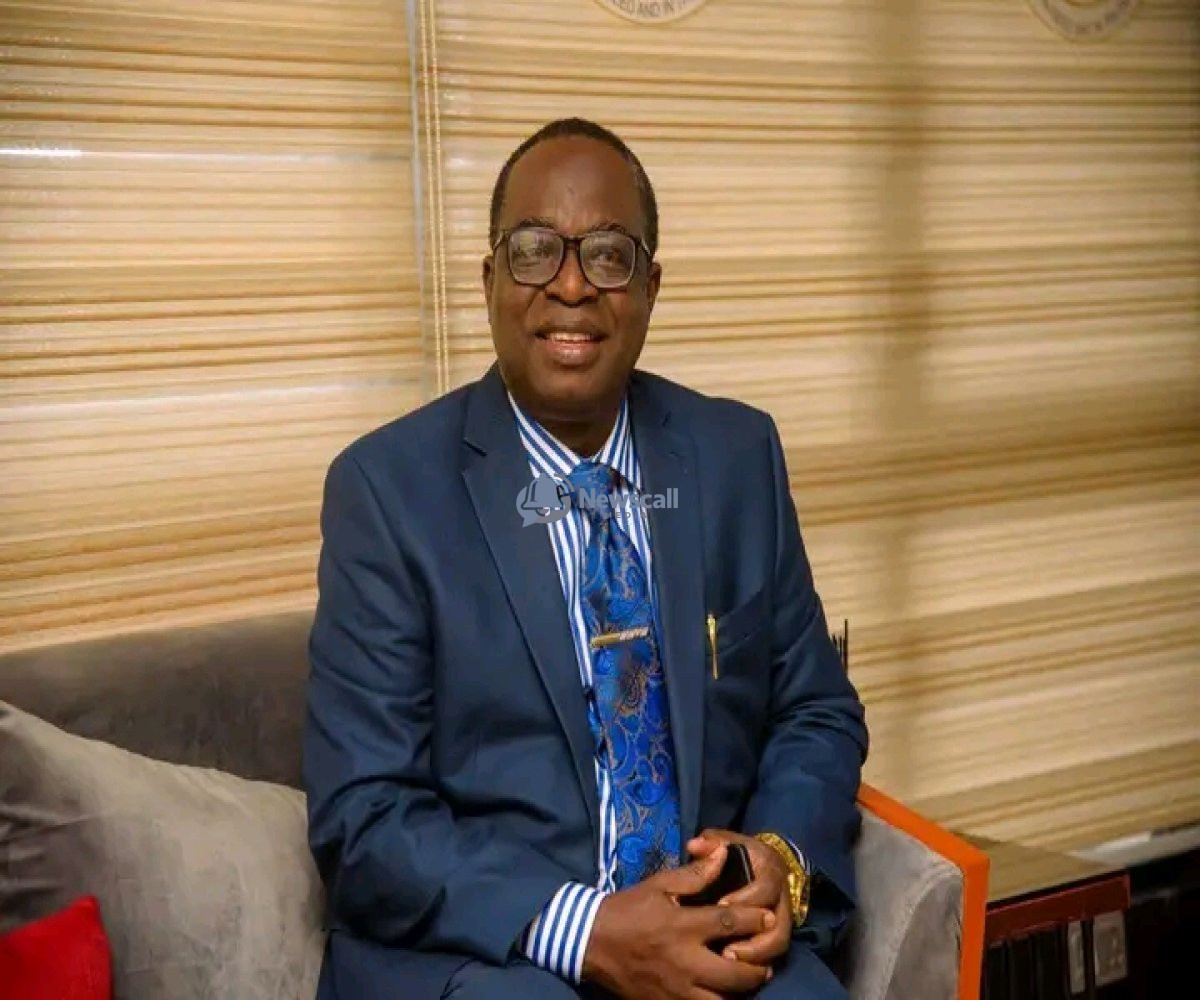
With less than five months until Nigeria's 2027 general elections, political analyst Chekwube Nzomiwu offers a fresh perspective on what's at stake: the vote isn't just about President Bola Tinubu's performance it's equally a test for the opposition parties.
While many political observers see the January 16 election as a straightforward referendum on Tinubu's administration, Nzomiwu argues that Nigerians will be scrutinizing both sides of the political divide.
The Incumbent's Report Card:
Tinubu entered office in 2023 with his "Renewed Hope Agenda"an ambitious policy framework focused on economic reforms, national security, food security, and infrastructure development. His administration points to several achievements:
· Removal of fuel subsidies
· Unification of exchange rates
· New tax architecture
· Billions in foreign investment attracted
· Stock market growth
· Security upgrades
· Major infrastructure projects including the Lagos–Calabar Coastal Road
· Establishment of NELFUND (student loan program)
· Creation of regional development commissions
But outside government circles, the narrative is starkly different. Nigerians are grappling with soaring food prices, severe inflation, and unprecedented hardship. The removal of fuel subsidies sent transportation and food costs through the roof, while currency devaluation crushed purchasing power.
The exodus of major companies like Procter & Gamble and GlaxoSmithKline has led to job losses and skyrocketing drug prices, hitting those with chronic illnesses hardest.
Insecurity remains a daily nightmare kidnappings, banditry, and violent attacks have forced farmers from their lands and emptied rural communities. Over 104 displacement camps now house Nigerians fleeing violence, according to the International Organization for Migration.
Even the Catholic Bishops Conference recently expressed "serious concern" over worsening economic hardship and rising insecurity.
The Opposition's Own Challenges:
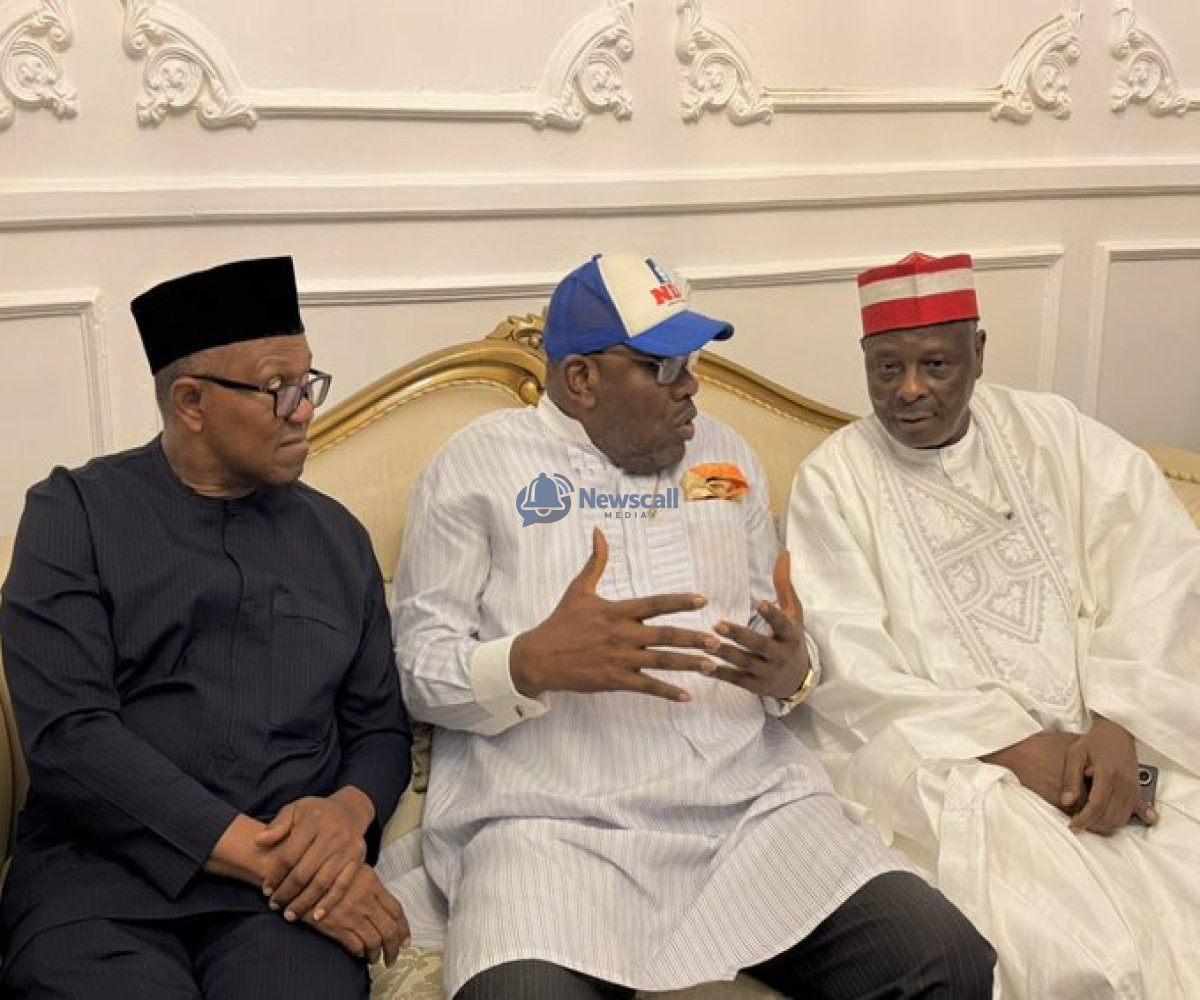
But here's where Nzomiwu's analysis gets interesting: he warns that opposition parties shouldn't assume the election is theirs for the taking simply because Tinubu's popularity has dipped.
"The opposition itself is widely assessed as falling short of public expectations," he writes.
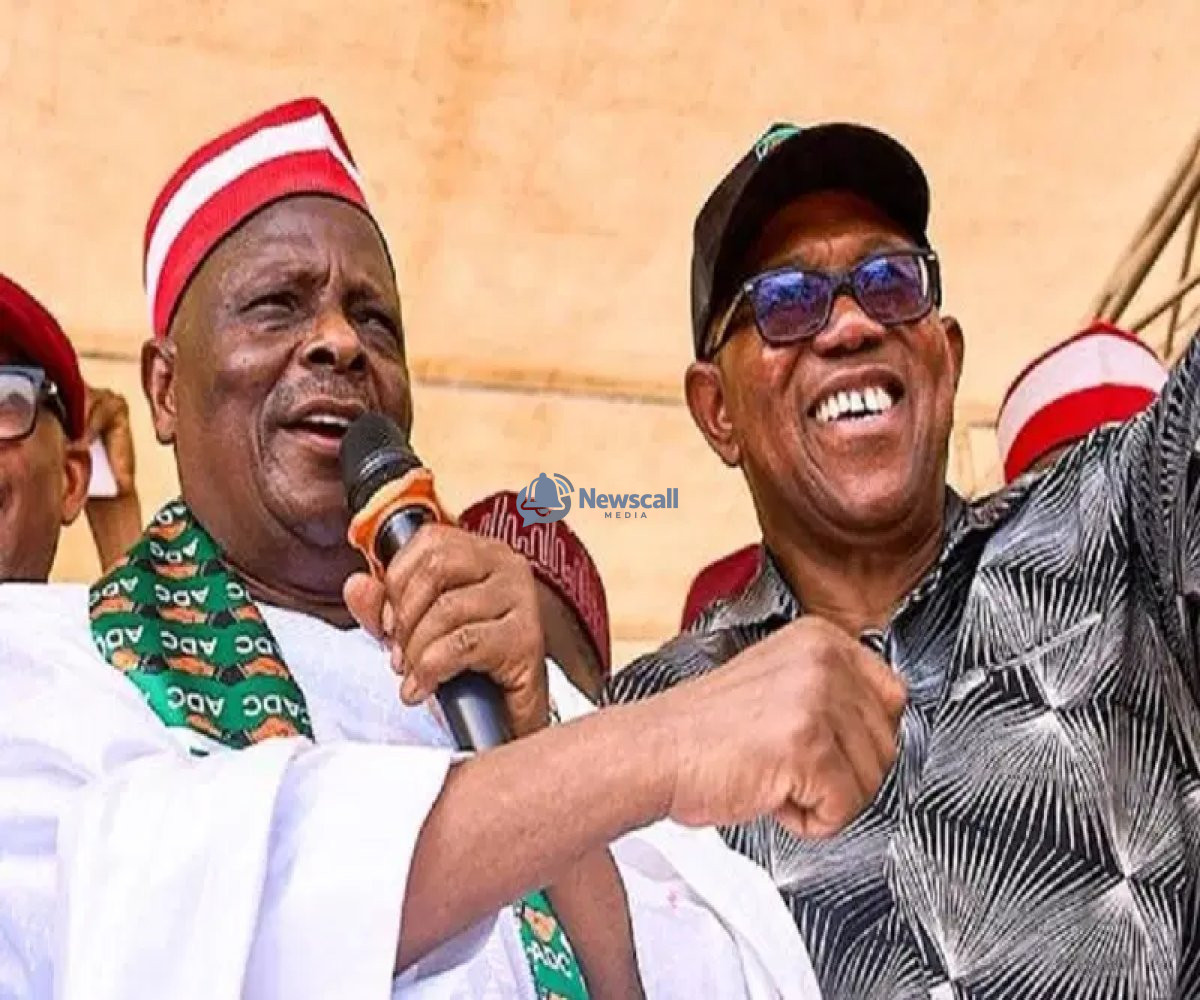
Civil society organizations accuse opposition parties of being fragmented, disorganized, and plagued by leadership tussles. Many have failed to maintain clear leadership structures, raising questions about their ability to govern a nation as complex as Nigeria.
The Labour Party, which emerged as a promising "third force" in 2023, has been weakened by prolonged internal crises that have kept party leaders in and out of courts, including the Supreme Court.
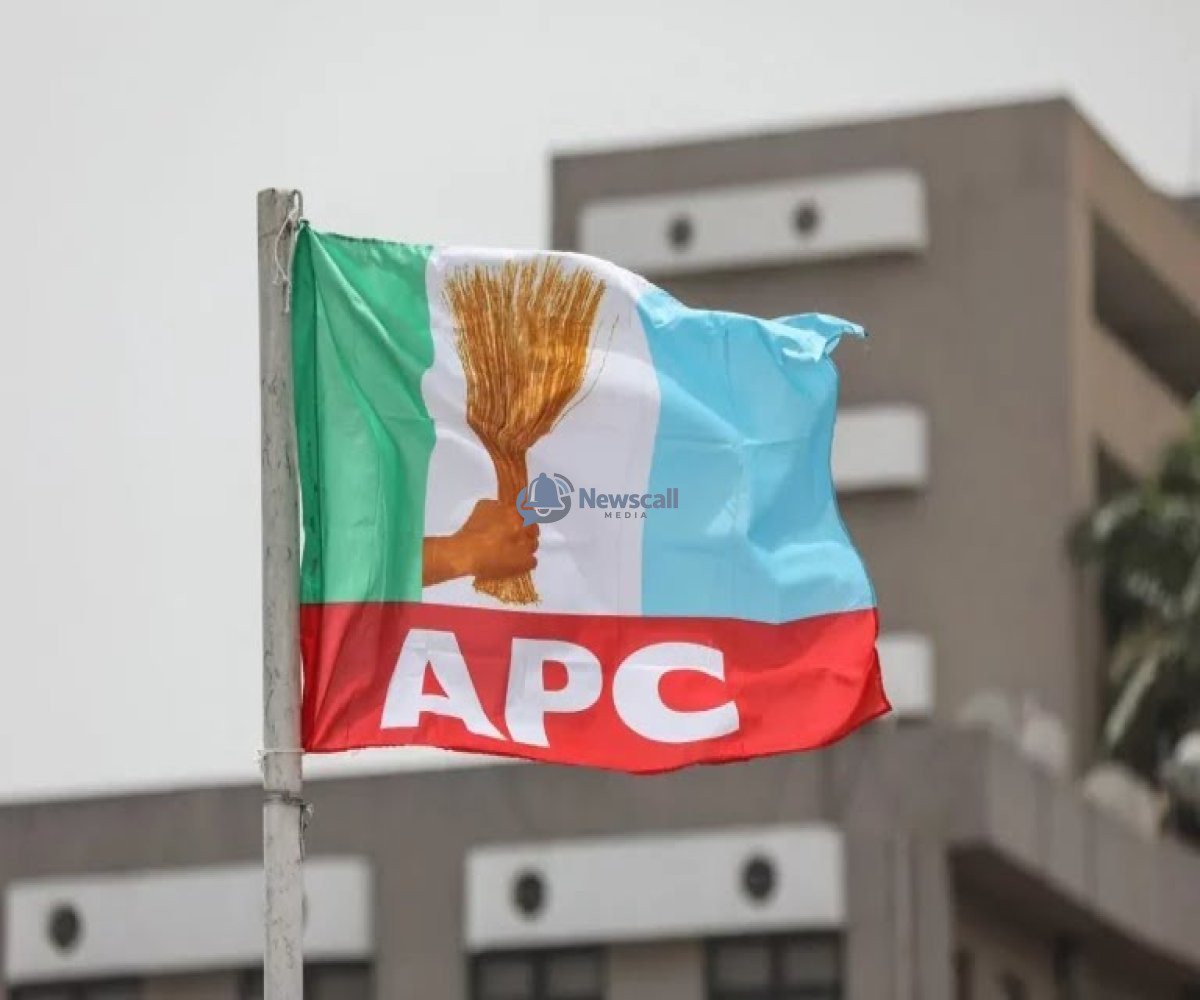
Individual ambitions and competing personal interests, Nzomiwu notes, often outweigh the drive for a unified national movement. The only time opposition parties successfully united in this Fourth Republic was in 2015, when they formed the APC merger and defeated then President Goodluck Jonathan.
What Lies Ahead:
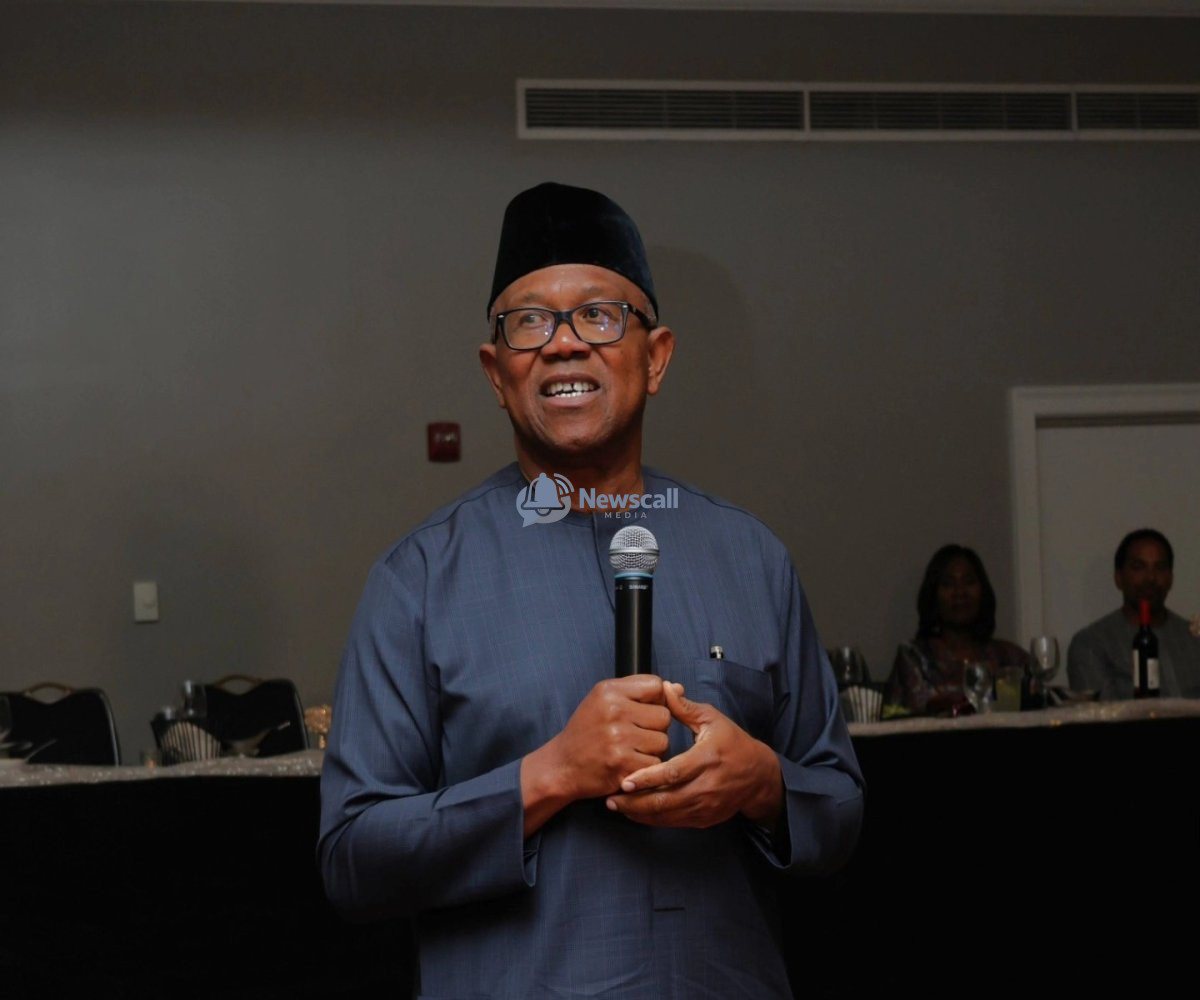
With 19 candidates in the presidential race including Atiku Abubakar (ADC), Peter Obi (NDC), Governor Seyi Makinde (APM), and Donald Duke (PRP) Nigerians face a crucial decision.
"The 2027 election is not a referendum on Tinubu alone," Nzomiwu concludes. "In my opinion, it is a referendum on the opposition also."
His appeal to Nigerian authorities: grant the electorate a free and fair atmosphere to choose the next president.

Umeanozie Prosper
Writer, Novelist,blogger, content creator