

34 Lives Lost. A Storm Named Meningitis
34 Lives Lost. A Storm Named Meningitis.
An active outbreak has swept through nine local government areas of Sokoto State, claiming 34 lives and infecting over 254 people — most of them children. What is meningitis, why does it keep returning to Nigeria’s northwest, and what must you know to protect your family?
254
Reported Cases
34
Deaths Recorded
13.4%
Case Fatality Rate
Some things happen so often in Nigeria that they no longer grab national headlines. Even if they do, who cares anyway? That was the quiet, anguished observation made as the death toll from a meningitis outbreak in Sokoto State crossed 34 lives — spread across nine local government areas, cutting through families in communities already acquainted with hardship.
The outbreak was formally documented by Nigerian health authorities on 06 May 2026. It began in early April 2026 and has since resulted in approximately 254 reported cases. Those who escape the threats of insecurity in the region are not guaranteed to see the next day. Diseases await.
“Those who escape the barbarism of the bandits and terrorists are not guaranteed to see the next day. Diseases await.”
— TheCable, May 2026
Understanding the Numbers
The current case fatality rate (CFR) of 13.4% is strikingly high. To put it in context: Nigeria reported 2,125 cases and 119 deaths nationwide in 2025, yielding a CFR of 5.7%, and 3,319 cases and 260 deaths in 2024 at a CFR of 7.8%. The Sokoto outbreak’s CFR nearly doubles the national average — and this almost certainly reflects one brutal reality: people are dying at home before they ever reach a doctor.
Dr. Kabiru Alamu has noted that many residents mistake meningitis symptoms for malaria, leading to delayed treatment and increased risk of complications. Dr. Faruk Abubakar-Wurno, the Sokoto State Commissioner for Health, confirmed that most deaths occurred at home before government intervention, because victims attributed what was clearly a medical emergency to spiritual forces.
Where the Cases Are
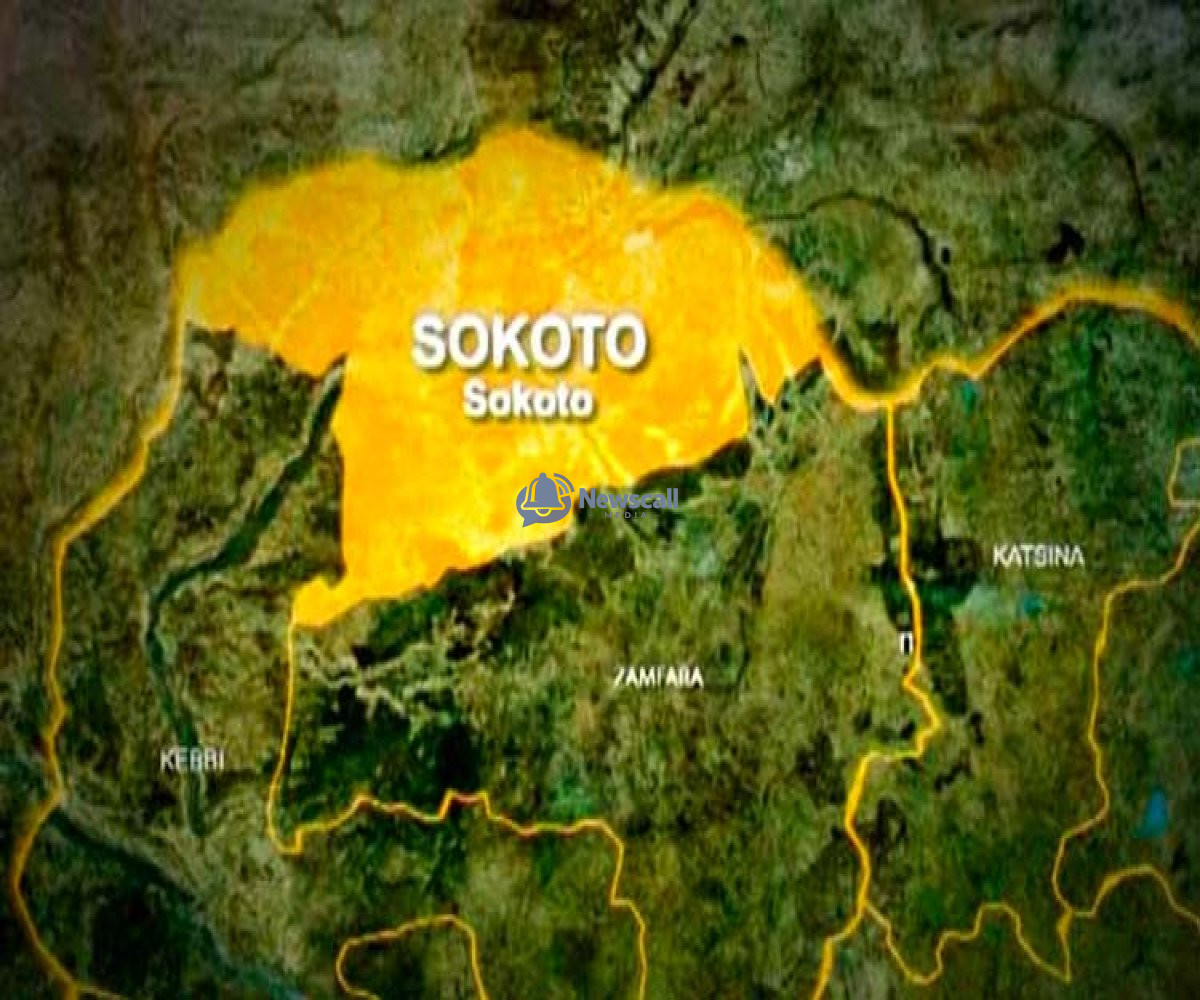
The outbreak has been recorded across nine LGAs, with the heaviest concentrations in three:
Sabon Birni having 63 is the highest followed by wamakko wih the record of 6 then shagari having 51 recorded, other six LGAs have 80 distributed
Children aged 1–15 are the most affected demographic group, accounting for the majority of cases and fatalities in this outbreak. Laboratory testing of 24 samples yielded eight confirmed meningitis cases and 16 negative results, confirming active transmission in affected communities.
What Is Meningitis?
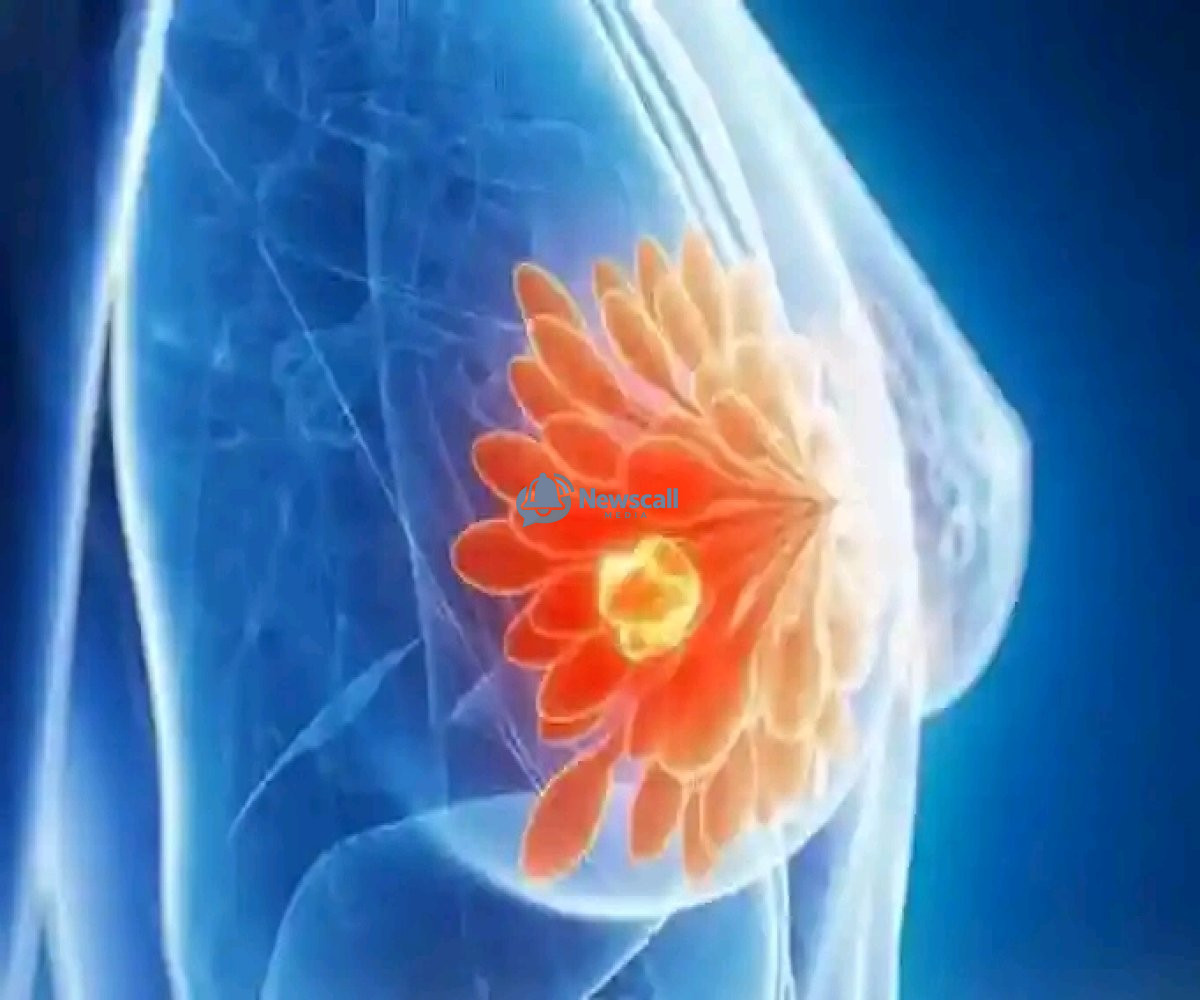
Meningitis is a life-threatening inflammation of the meninges — the membranes surrounding your brain and spinal cord. Because the brain and spinal cord exist in an enclosed, tight space, any inflammation, swelling, or disproportionate arrangement of these components will compress on the structures and organs within, making speed of treatment absolutely critical.
It is primarily caused by bacterial or viral infections, though fungi and parasites can also be responsible. If you suspect you or someone else has meningitis, seek emergency medical care immediately.
Viral Meningitis
The most common and generally less severe form. Common culprits include enteroviruses (which cause stomach flu), mumps, herpes simplex virus, and measles. It spreads through close personal contact, coughing, sneezing, or touching infected surfaces.
Bacterial Meningitis
A rare but extremely serious medical emergency that can be life-threatening or cause lasting complications if untreated. The common bacterial culprits are Streptococcus pneumoniae (pneumococcus), Neisseria meningitidis (meningococcus), Haemophilus influenzae (Hib), and Group B Streptococcus and Listeria monocytogenes — particularly in newborns and older adults. It often begins as an ear or sinus infection or skull fracture, and spreads via the bloodstream or direct contact with respiratory droplets.
Fungal and Parasitic Meningitis
Less common, but seen more frequently in people with weakened immune systems — such as those living with HIV/AIDS or on immunosuppressants. Common culprits include Cryptococcus, Histoplasma, or Coccidioides, usually contracted by inhaling fungal spores from contaminated soil or bird droppings.
Why Sokoto?
The answer lies in geography. Dr. Alamu has explained that north-western states such as Sokoto and Kebbi fall within the “meningitis belt” — a region of sub-Saharan Africa that stretches across the continent and is known for recurring outbreaks, particularly during the dry season. This geographic reality makes communities in these states inherently more vulnerable. There is also a definite correlation between poverty and communicable diseases — a connection that makes the social and economic dimensions of this crisis impossible to ignore.
Recognising the Signs
The signs and symptoms are not hard to observe. Recognising them early can be the difference between life and death.
Adults & Older Children
– Severe, persistent headache
– Stiff neck — inability to touch the chin to the chest
– Sudden high fever
– Sensitivity to bright lights (photophobia)
– Confusion or altered mental status
– Nausea, vomiting, and loss of appetite
– Extreme sleepiness or trouble waking up
– Seizures or convulsions
Newborns & Infants
– Bulging soft spot (fontanelle) on top of the head
– High fever — note: newborns may have a lower-than-normal temperature
– Constant crying or high-pitched moaning
– Irritability and extreme sleepiness
– Poor feeding or vomiting
– Stiffness in the body and neck
– Being very sluggish, floppy, or completely inactive
Babies may not exhibit a classic stiff neck or headache, making their symptoms easier to miss. Vigilance among parents and caregivers is essential.
What Is Being Done
The Sokoto State government has moved swiftly to contain the outbreak. Isolation centres have been established in Dogondaji and Kurawa communities within Tambuwal and Sabon Birni local government areas. All 201 patients treated at government health facilities have subsequently been discharged.
Disease surveillance, laboratory testing, and medication supply have been intensified. Public awareness campaigns are underway, urging residents to sleep in well-ventilated spaces to reduce transmission. Immunisation against bacterial meningitis is available. Dr. Alamu has stressed that public awareness remains the most effective preventive measure, alongside vaccination.
"Treatment is free — do not wait until it gets too late."
This is the cry of the Sokoto State government to its residents. If you or anyone near you shows signs of meningitis, go to the nearest government health facility immediately. Do not attribute symptoms to spiritual causes. Do not wait.
Reality but sad … sokoto bleeds
Thirty-four human lives. Each one a name, a face, a family that woke up one morning and never recovered. This is the wave of storm that hit Nigeria, pathing through the houses and streets of Sokoto. The question Dr. Abubakar-Wurno and many Nigerians are now asking deserves to echo far beyond the state’s borders: where do we go from here?
The answer begins with awareness. Meningitis is treatable. It is preventable. And it does not have to be a death sentence — not when help is available, not when treatment is free, not when the warning signs are this clear.
Recognise the symptoms. Seek care immediately. Tell your neighbours. The life you save may be someone you love.

Abiodun Oluwafemi
Copywriting, brandnaming, research.