

5 Everyday Things You Didn't Realize Are Powered by AI
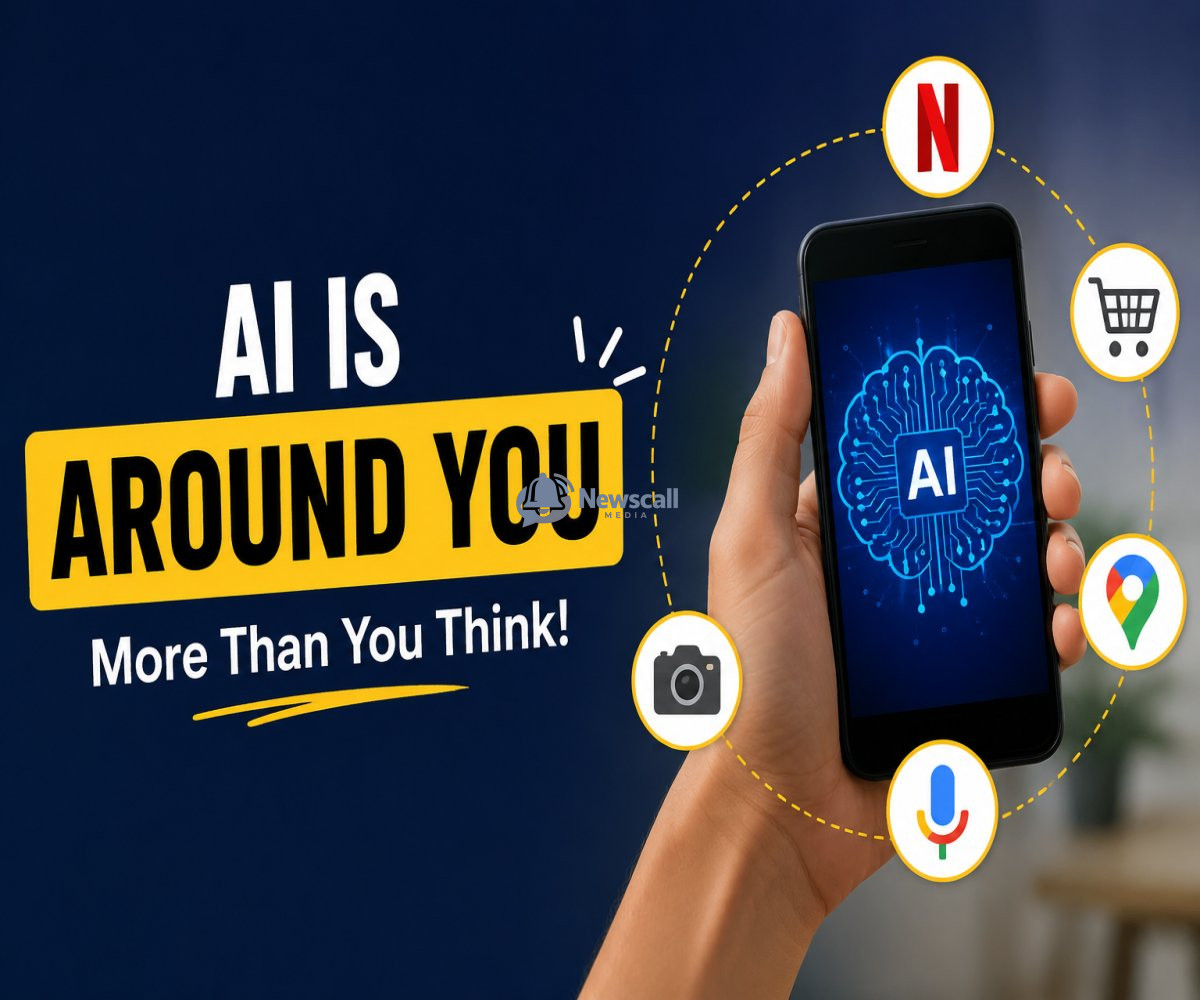
Artificial Intelligence (AI) is often associated with futuristic robots, self-driving cars, and advanced computer systems. However, AI is no longer a technology of the future—it has become an integral part of our daily lives. In fact, many people interact with AI dozens of times each day without even realizing it.
From the moment you wake up to the time you go to sleep, artificial intelligence works behind the scenes to make tasks easier, faster, and more personalized. Here are five everyday technologies powered by AI that most people use regularly without a second thought.
1. Your Smartphone's Camera
Modern smartphone cameras do much more than capture images. AI analyzes scenes in real time, recognizing faces, landscapes, food, pets, and even lighting conditions. It automatically adjusts settings such as brightness, contrast, focus, and color balance to produce the best possible photo.
Features like portrait mode, night mode, facial recognition, and image enhancement all rely on AI algorithms. What once required professional photography skills can now be achieved with a single tap.
2. Streaming Recommendations
Have you ever wondered how streaming platforms seem to know exactly what you want to watch next? AI is the answer.
By analyzing your viewing history, watch time, preferences, and behavior, recommendation systems can predict content you're likely to enjoy. These intelligent systems process massive amounts of data to create personalized experiences for millions of users simultaneously.
The result is a more engaging platform that helps users discover relevant content while reducing the time spent searching.
3. Navigation and Traffic Apps
Navigation apps have transformed the way people travel. AI continuously collects and analyzes data from millions of devices to determine traffic conditions, road closures, accidents, and estimated travel times.
When a navigation app suggests an alternate route to avoid congestion, it is using AI-powered predictive models to identify the fastest and most efficient path.
Without artificial intelligence, real-time navigation would be significantly less accurate and responsive.
4. Online Shopping Experiences
AI has revolutionized e-commerce by personalizing the shopping journey. Every time an online store recommends products based on your interests or previous purchases, AI is working in the background.
Retailers use machine learning algorithms to understand customer behavior, predict buying patterns, and optimize product suggestions. This not only improves customer satisfaction but also helps businesses increase sales and efficiency.
Many companies also use AI-powered chatbots to provide instant customer support and answer common questions.
5. Voice Assistants and Smart Devices
Voice assistants have become a common feature in homes, smartphones, and vehicles. These systems use natural language processing and machine learning to understand spoken commands and provide relevant responses.
Whether you're setting reminders, checking the weather, playing music, or controlling smart home devices, AI enables these assistants to understand context and improve over time.
As voice technology continues to evolve, interactions with smart devices are becoming increasingly natural and intuitive.
Artificial intelligence is no longer confined to research laboratories or technology companies. It is embedded in the tools and services that people use every day, often without notice.
As AI technology continues to advance, its influence on daily life will only grow. Understanding how AI works and where it is applied can help individuals make informed decisions, adapt to technological changes, and take advantage of new opportunities.
The next time your phone takes a perfect photo, your navigation app avoids traffic, or a streaming service recommends your next favorite show, remember that artificial intelligence is quietly making those experiences possible.

Victor Oluebubechukwu Akuma.
Creative writer