‘A Warrior’s Spirit’: How Haiti’s World Cup Dream Became a Rare Light in Darkness.
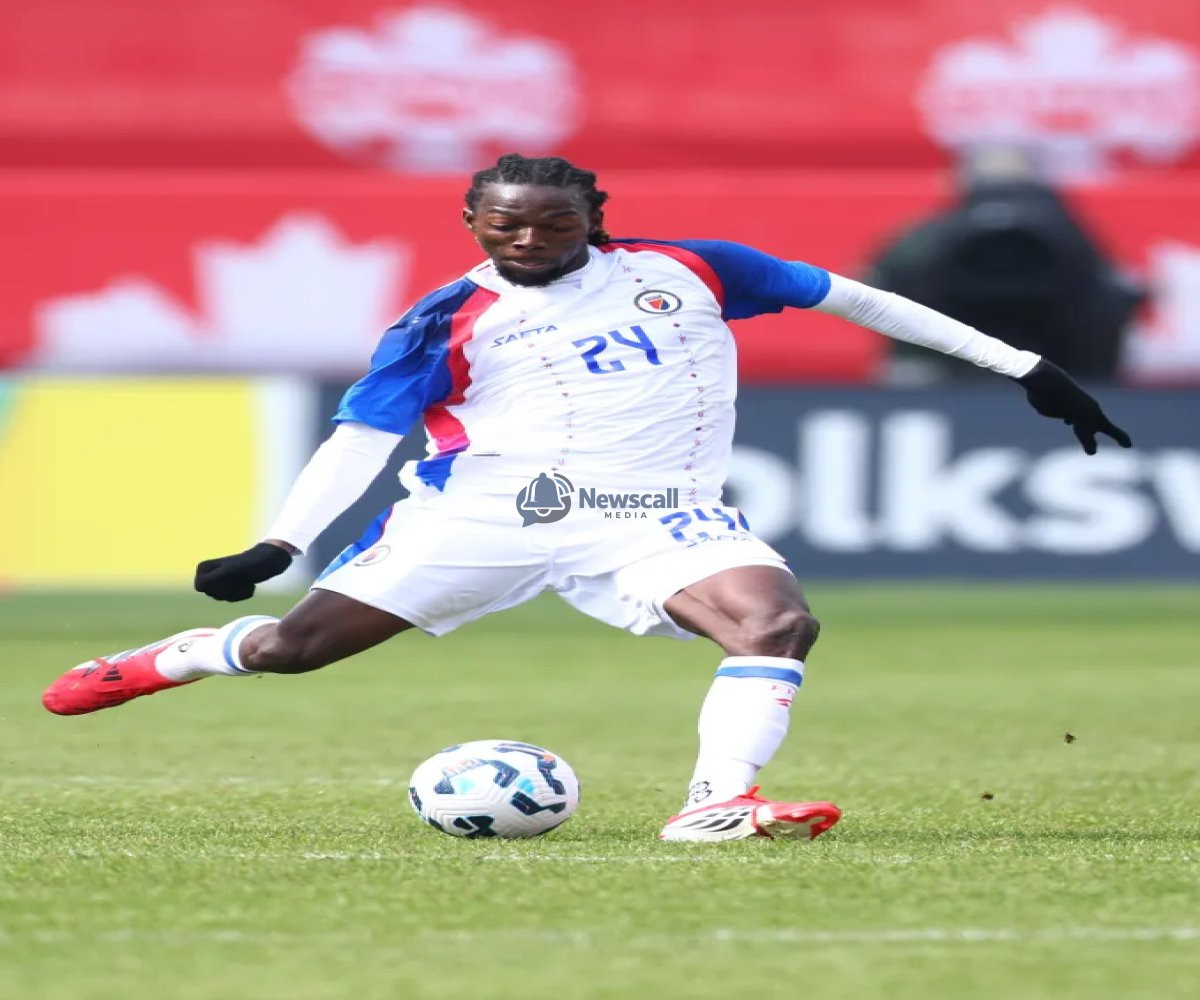
For the first time in more than 50 years, Haiti’s national soccer team is going to the World Cup. And for a country that has been beaten down by gang violence, hunger, and economic collapse, this victory feels like something close to a miracle.
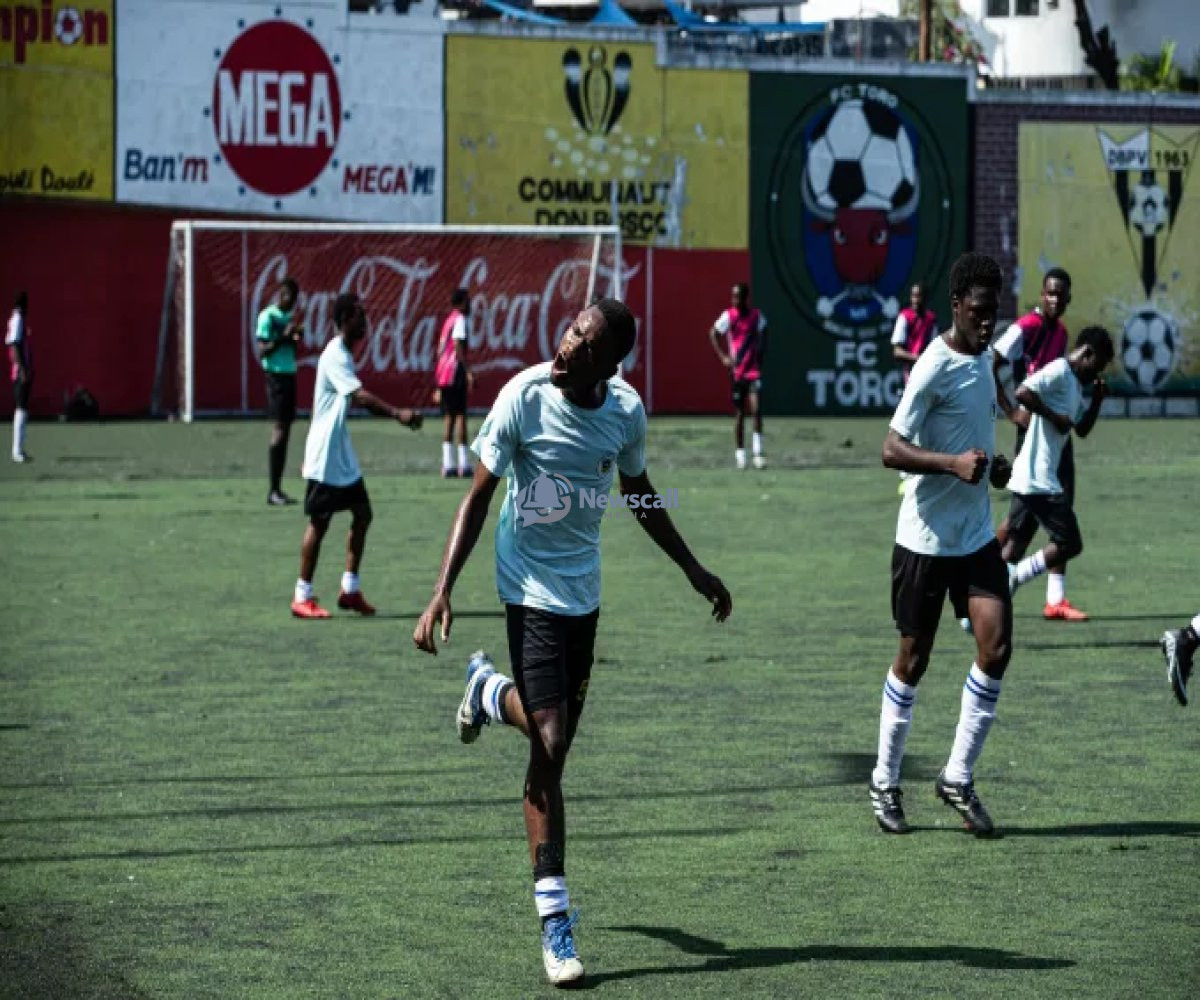
Earlier this year, gangs set fire to the FIFA Goal Center in Port-au-Prince. That wasn’t just a sports facility burning it was the heart of youth soccer in Haiti, a place where kids trained and dreamed. But months before the fire, midfielder Louicius Deedson who once trained in those very spaces helped make history. Haiti beat Nicaragua in a World Cup qualifier played abroad, securing their spot on the world’s biggest sporting stage.
For one brief, beautiful moment, the streets of the capital erupted with joy. Strangers hugged. Flags waved. People forgot, just for a night, the chaos surrounding them.
“It’s been a long time since you see Haitian people united like this,” said Deedson, now 25 and playing for FC Dallas.
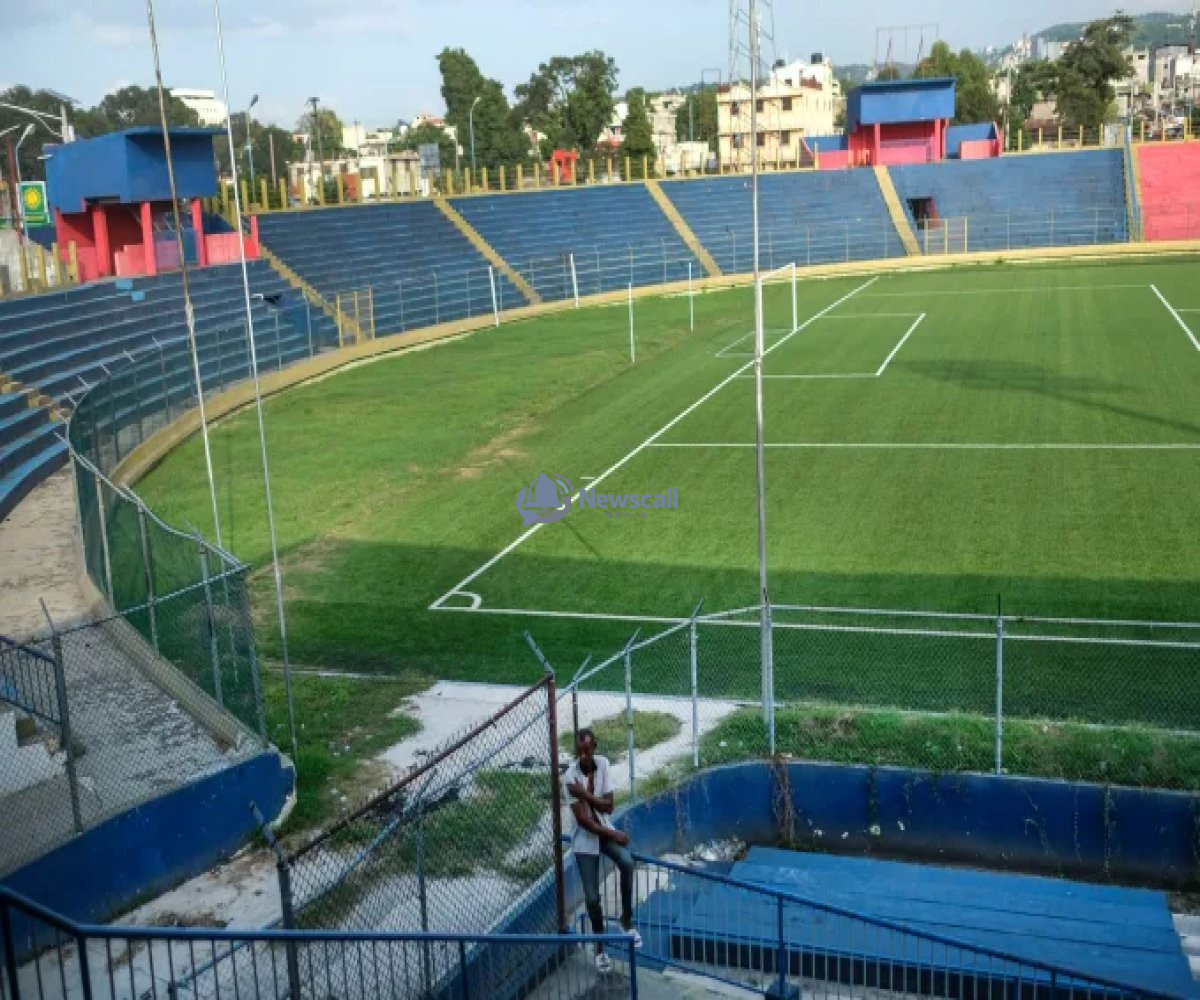
The team had to train outside Haiti because of the violence. Gangs control up to 90% of the capital, including neighborhoods that hold the country’s biggest stadiums. Sylvio Cator stadium, where the national team trained during their only other World Cup appearance in the 1970s, is now a shelter for families fleeing armed groups.
Deedson was one of the lucky ones. He moved to the U.S. as a teenager to chase soccer and school. But he hasn’t forgotten home. Last year, his parents’ house in Port-au-Prince was partially burned in a gang attack.
Then there’s Woodensky Pierre. He’s one of the few players on the national team who still lives in Haiti. He grew up in Cité Soleil, one of the poorest and most violent neighborhoods in the capital. His mom was a street vendor. His dad worked odd jobs. Soccer was all he had.
“There was a moment I felt I would never make it,” Pierre said. “I had no support, nothing.”
He got a scholarship. He now plays for Violette Athletic Club in Haiti’s local league. And he just helped his team win the national championship in one of the few parts of Port-au-Prince not overrun by gangs.
But the violence keeps stealing chances. Kids who could be the next national stars are picking up guns instead. The UN says about half of Haiti’s gang members are minors. It breaks your heart, one ministry official said: “Whenever we see a kid with a gun… our prayer is for that unrest to stop so we can offer them a better future.”
Pierre’s former agent, based in France, has never even seen him play in person travel to Haiti is too dangerous. “He developed a mentality of a warrior,” the agent said.
Deedson knows there’s so much talent wasting away back home. “A lot of Haitian kids are very good. They just want the chance to show themselves.”
As Haiti heads to the World Cup, players like Deedson and Pierre are carrying more than a ball. They’re carrying the hope of a nation that desperately needs something to believe in.

Umeanozie Prosper
Writer, Novelist,blogger, content creator