From Nobel Peace Prize Winner to Divisive Leader: Ethiopia’s Abiy Ahmed Faces Voters Amid War and Fragmentation.
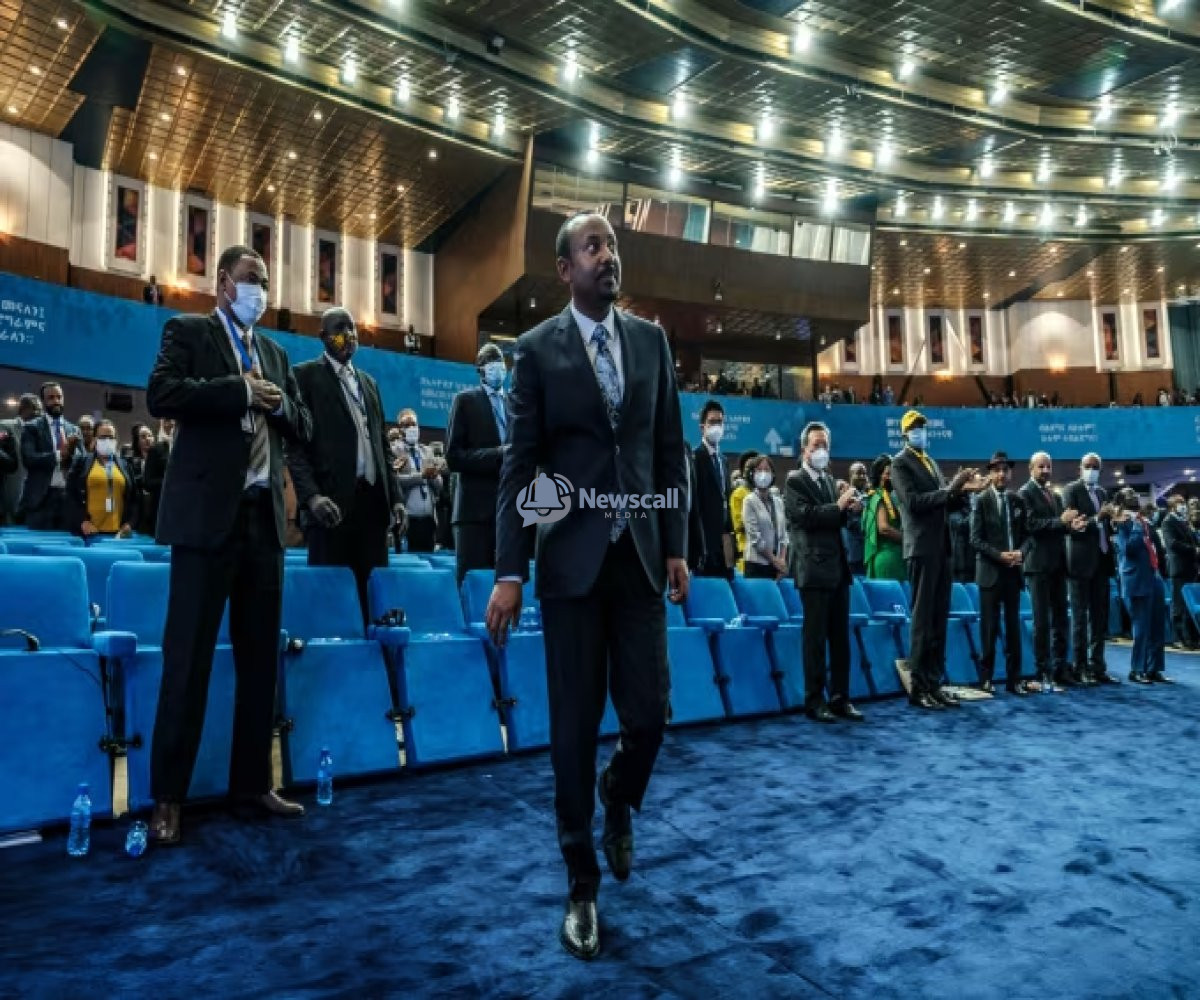
When Abiy Ahmed took over as Ethiopia’s prime minister in 2018, he promised a fresh start. After decades of suffocating state control and violent crackdowns under leaders like Hailemariam Desalegn, the young leader just 41 at the time moved fast. Within 90 days, he stunned the world by ending a 20-year bloody stalemate with neighboring Eritrea. He freed political prisoners, loosened press restrictions, and won the Nobel Peace Prize. For a moment, he looked like the reformer Africa’s second most populous nation had been waiting for.
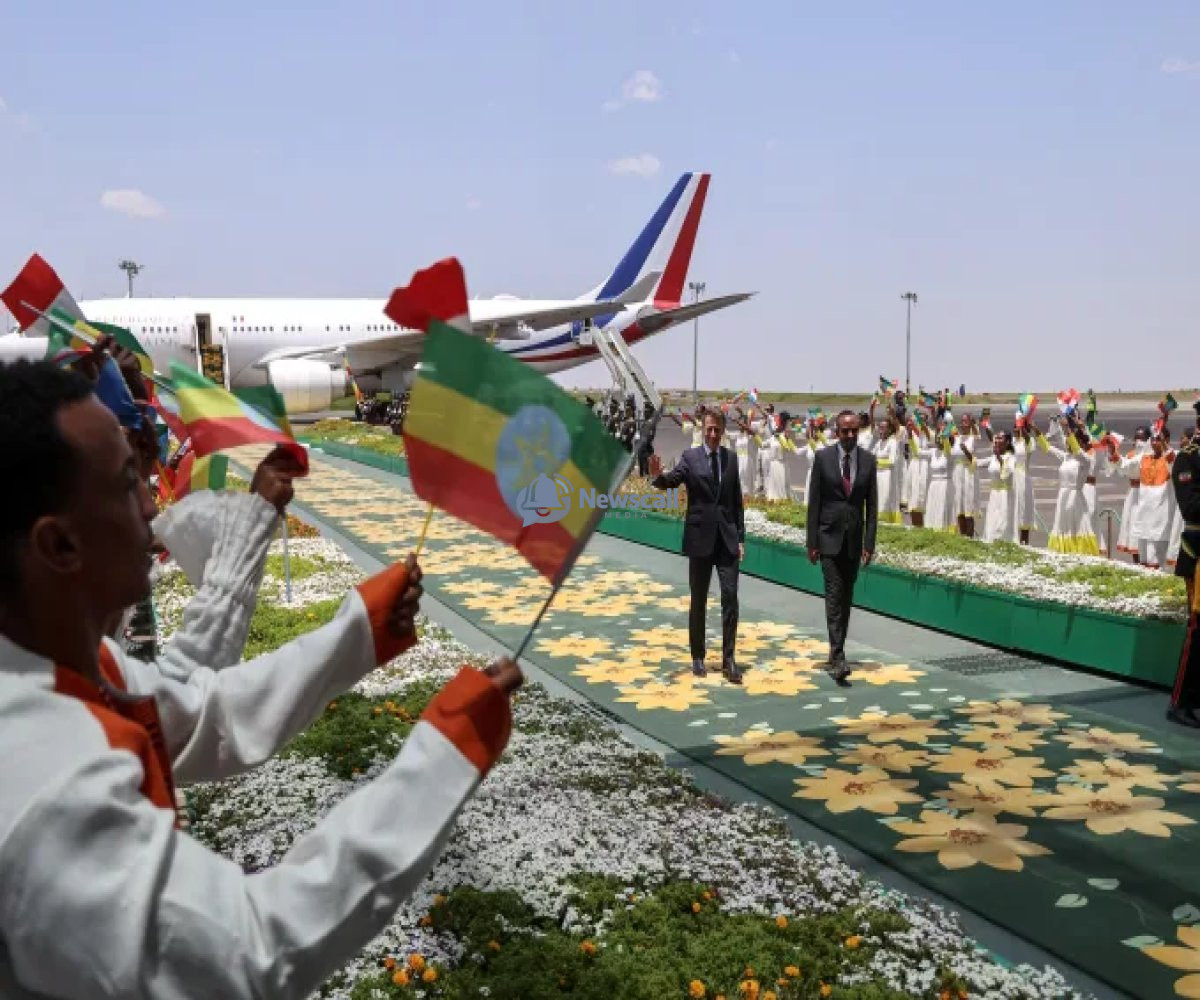
That moment didn’t last.
Fast forward to today, and Ethiopia is deeply fractured. Ethnic wars rage in Tigray, Amhara, and Oromia. Civilians have been displaced by the hundreds of thousands. Free speech is shrinking again. And the man once hailed as a healer is now accused by critics of driving the very divisions tearing the country apart.
Two Ethiopias:
The June 1 election reveals a country living two completely different realities.
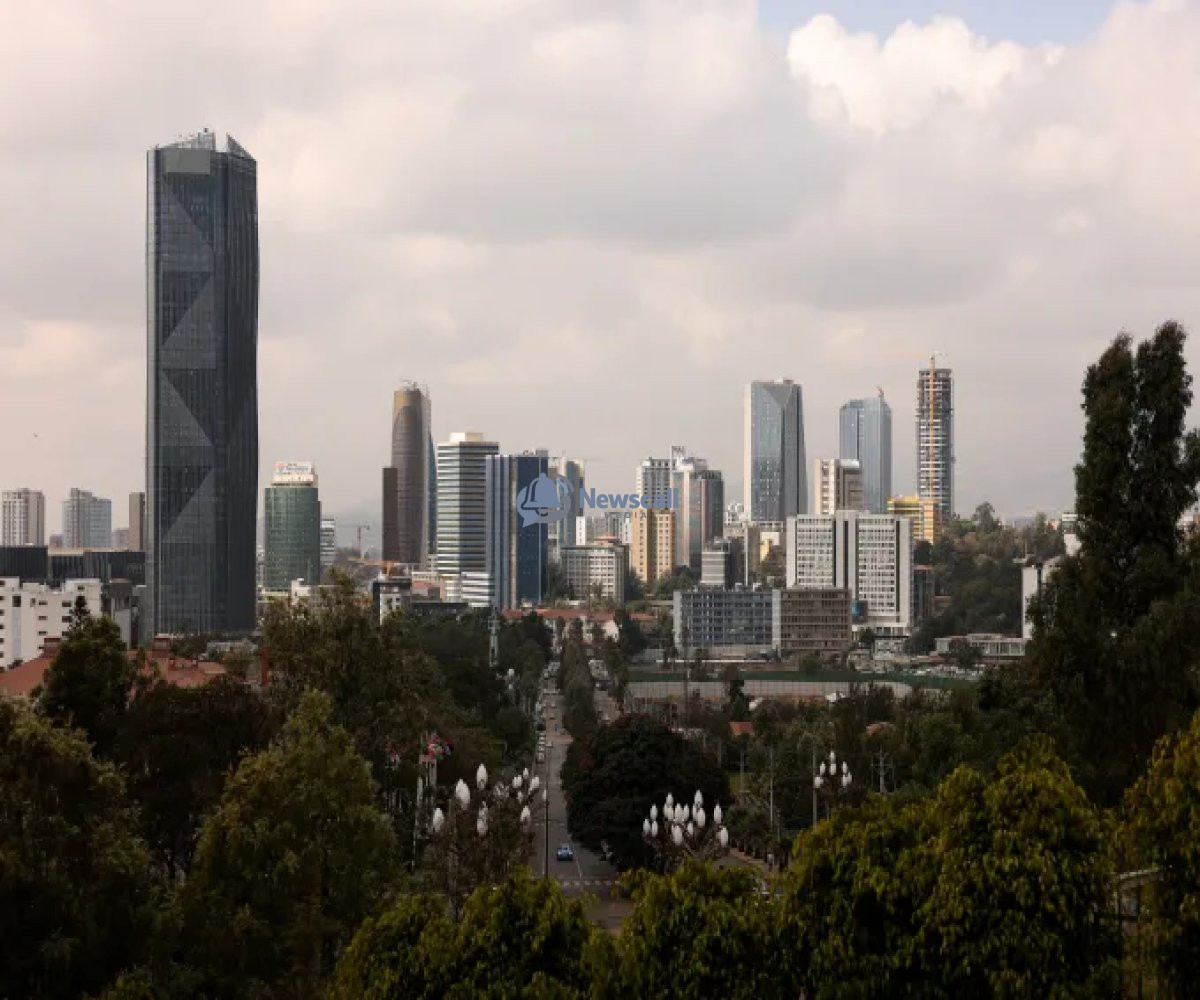
In the capital, Addis Ababa, things look up. New skyscrapers, expanded roads, shiny parks, and a brand new stock market project a social media friendly image of progress. It’s the Ethiopia the government wants you to see.
But step outside the capital, and the gloss disappears.
The Tigray region is still recovering from a brutal civil war that killed an estimated 600,000 people. A 2022 peace deal has since unraveled, and fears of another full-blown conflict are rising. Amhara and Oromia face active insurgencies of their own, fueled by disputes over autonomy, borders, and ethnic marginalization. Millions may be unable to vote because of the violence.
How did we get here?
For nearly 30 years before Abiy, Ethiopia was run by the EPRDF a coalition of four ethnically based parties. Abiy was brought in by that same coalition to calm the protests that forced his predecessor out.
But in November 2019 barely a year after winning the Nobel he dissolved the EPRDF and created a single national party, the Prosperity Party. He ordered regional states to give up their local armies and fold into a national military.
That move stripped the powerful Tigray People’s Liberation Front (TPLF) of its regional control. The TPLF pushed back. Tensions boiled over into civil war in November 2020. And even after a peace deal, the accord has since broken down.
“Ongoing ethnic polarization, maladministration, marginalization, and arbitrary arrests have severely eroded the legitimacy of Abiy Ahmed’s administration,” says Surafel Getahun, an Ethiopian researcher now exiled in Kenya. He fled after being arrested and tortured for speaking to foreign media. “Ethiopians are more divided today than ever before under his rule.”
Even some former allies have turned critical. In 2021, a senior Ethiopian diplomat in Washington resigned in protest, accusing Abiy of abandoning reconciliation and leading the country “down a dark path toward destruction and disintegration.” The prime minister’s office called those claims baseless.
Can this election be trusted?
Abiy says this will be Ethiopia’s most organized vote yet. But the electoral board has already excluded Tigray and parts of Amhara because of ongoing conflict. Opposition parties report arrests, intimidation, and administrative roadblocks.
Eyob Mesafint, leader of Ethiopia’s largest opposition party EZEMA, told CNN that his members have been arrested and harassed especially in areas where the opposition is strong. Still, he thinks this election will be more competitive than the last one in 2021, when Abiy’s party won nearly every seat.
In a surprising move, the ruling party isn’t fielding candidates in more than two dozen constituencies. Activist Befeqadu Hailu Techanie calls it a strategic play: “inviting opposition members and independent candidates into parliament” to make the election look more legitimate.
But for exiled researcher Getahun, there’s no real contest. “Many observers, including myself, see the upcoming election as a mere coronation.”

Umeanozie Prosper
Writer, Novelist,blogger, content creator