

Children’s Day in Tears: 88 Nigerian Kids Rot in Terrorists’ Camps as Fear, Bloodshed and Government Failure Darken the Nation’s Future
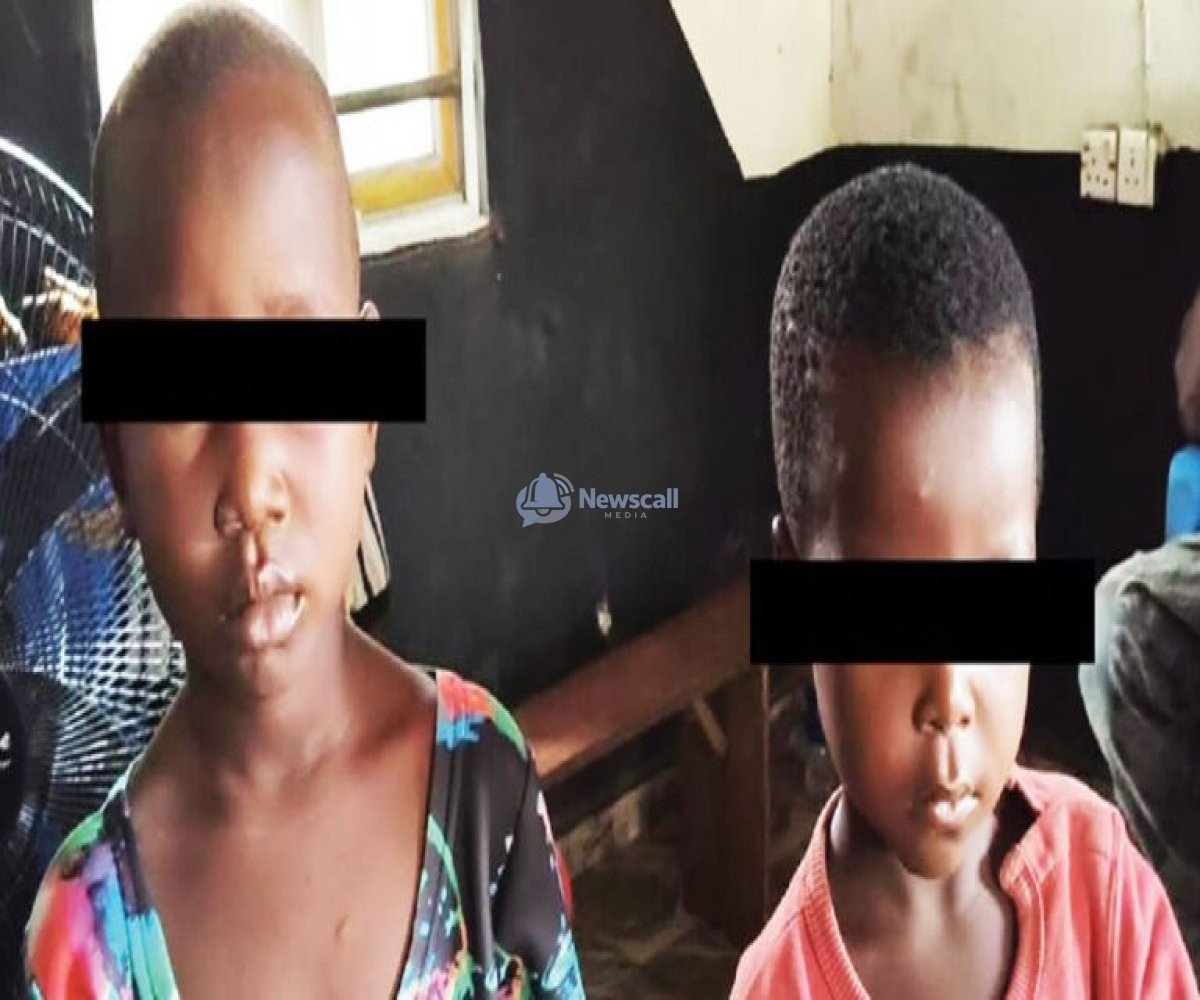
Children’s Day in Tears: 88 Nigerian Kids Rot in Terrorists’ Camps as Fear, Bloodshed and Government Failure Darken the Nation’s Future.
Nigeria’s 2026 Children’s Day celebration should have been filled with laughter, colourful parades, songs of hope, and renewed promises to protect the nation’s future generation. Instead, the country awoke on May 27 under a heavy cloud of grief, outrage, and national shame.
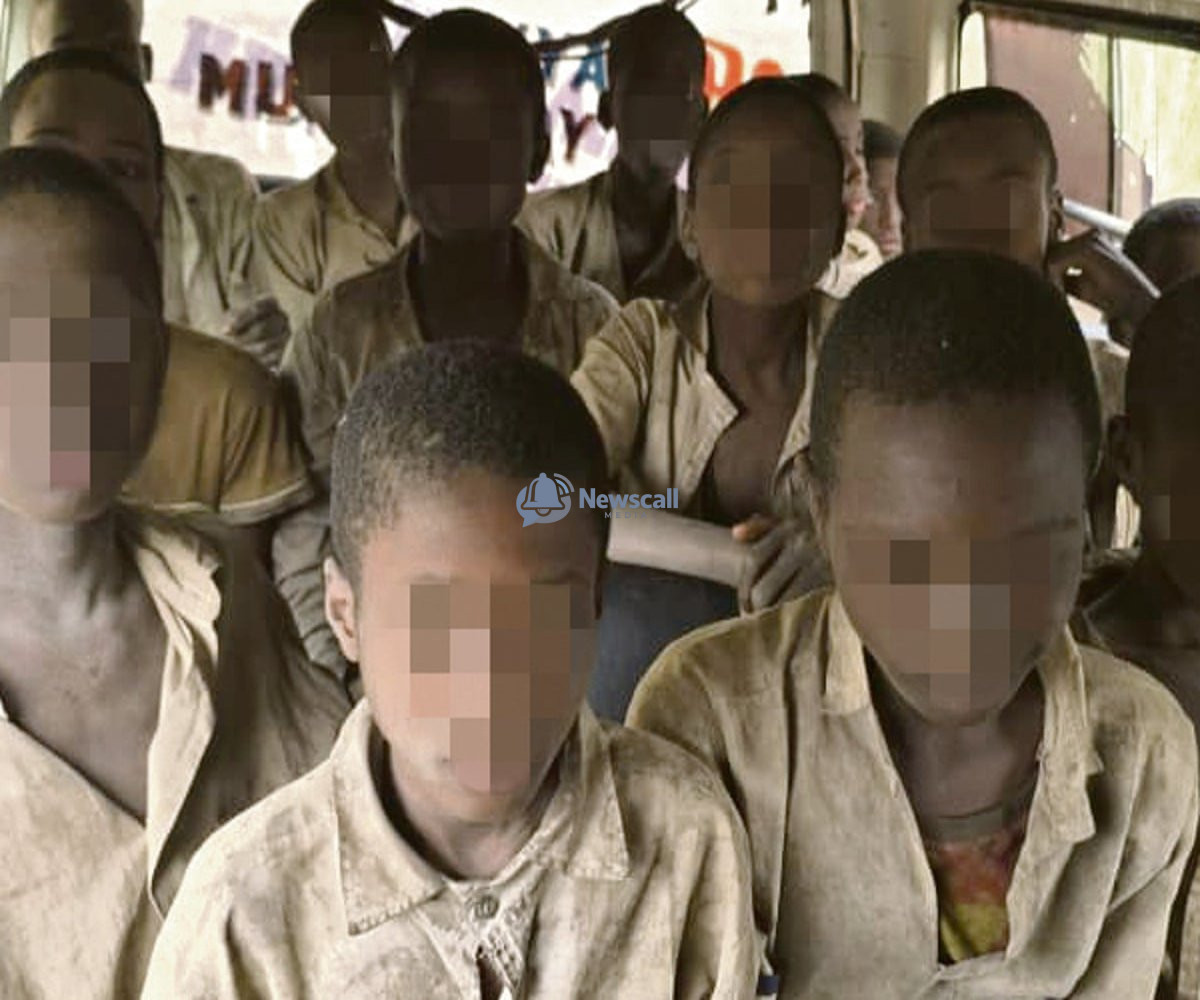
Across schools and stadiums, children danced and waved flags in celebration, but far away in dark forests controlled by terrorists, 88 abducted Nigerian children spent the day in terror, uncertainty, and unimaginable suffering.
Some of them are toddlers barely old enough to speak clearly. Others are young pupils whose only “crime” was going to school in search of education and a brighter future. Rather than celebrating Children’s Day in classrooms, playgrounds, or their parents’ embrace, they marked the occasion surrounded by armed terrorists, exposed to hunger, fear, torture, and death.
Their cries echo as one of the darkest symbols of Nigeria’s worsening insecurity and the tragic collapse of a system meant to protect its most vulnerable citizens.
The horrifying ordeal began on May 15 when Boko Haram insurgents stormed Mussa Primary and Junior Secondary School in Askira/Uba Local Government Area of Borno State, abducting 42 students and pupils during a deadly raid that sent shockwaves across the North-East.
Before Nigerians could recover from the horror in Borno, another tragedy erupted in Oyo State. Armed gunmen invaded Baptist Nursery and Primary School, Yawota; Community Grammar School, Esiele; and L.A. Primary School in Oriire Local Government Area, kidnapping 46 children and teachers, including infants and toddlers.
The attacks left blood on classroom floors and grief in countless homes.
Joel Adesiyan, the assistant headmaster of L.A. Primary School, was brutally killed during the operation alongside a commercial motorcyclist. Days later, the terrorists reportedly beheaded a mathematics teacher, Michael Oyedokun, in captivity, sending waves of fear across the country.
For 13 agonising days, the kidnapped children remained trapped deep inside forests notorious for criminal violence. While other children celebrated with gifts, parties, and speeches, these innocent victims endured torrential rains, scorching heat, mosquito-infested camps, hunger, exhaustion, and the constant terror of guns pointed at their heads.
The thought that two-year-olds and four-year-olds are currently languishing in terrorists’ dens should shake every conscience in the country.
It is more than a tragedy; it is a national disgrace.
Yet despite the growing outrage, the government’s response has appeared painfully slow and disturbingly ineffective. Nigerians have heard speeches, promises, and condemnations, but many citizens see little evidence of an aggressive and coordinated rescue operation capable of bringing the children home safely.
Families of the abducted children have reportedly been left to battle fear, trauma, and uncertainty alone. Some reports even indicate that terrorists killed two individuals who attempted to deliver ransom payments, further exposing the ruthlessness of the criminal networks terrorising communities.
The painful reality completely shattered the spirit of this year’s Children’s Day theme: “Future Now: Promoting Inclusion for Every Child.”
For thousands of Nigerian children trapped by insecurity, poverty, and violence, the future feels more like a distant illusion than a promise.
President Bola Tinubu had declared that every Nigerian child deserves the opportunity to “dream boldly, grow safely, learn freely, and succeed honourably.” But for the children held hostage in forests, such words now sound heartbreakingly hollow.
Sadly, this tragedy is not an isolated incident.
Since the infamous 2014 Chibok abduction where 276 schoolgirls were kidnapped by Boko Haram, Nigeria has witnessed an endless cycle of mass kidnappings targeting schools and vulnerable communities.
Leah Sharibu, abducted during the 2018 Dapchi school attack, remains in captivity years later, becoming one of the most painful reminders of Nigeria’s unresolved failures.
Countless other children kidnapped in Borno, Kaduna, Zamfara, Niger, Sokoto, Kogi, Kano, and Kwara states are still missing, with many families abandoned to hopelessness and silence.
Security experts and humanitarian groups estimate that more than 7,000 Nigerians including women, children, and traditional rulers are currently being held captive by terrorists and criminal gangs across several states.
The result is devastating: insecurity is systematically stealing the future of Nigeria’s next generation.
International organisations including Amnesty International and Save the Children estimate that at least 1,700 schoolchildren have been abducted in mass kidnappings across Nigeria since the Chibok incident. Each attack deepens fear, weakens confidence in public education, and pushes more parents away from schools.
The crisis goes beyond kidnappings.
Millions of Nigerian children are now trapped in multiple layers of hardship, poverty, hunger, poor healthcare, homelessness, displacement, and educational collapse.
According to the National Bureau of Statistics, more than 1.1 million Nigerians are internally displaced, with children accounting for over half of the victims.
Many of these children now grow up in overcrowded camps, lacking proper education, nutrition, sanitation, and emotional support.
The education sector paints an equally disturbing picture.
Nigeria currently has about 18.3 million out-of-school children one of the highest figures globally. This staggering number represents millions of broken dreams and lost futures.
Even children lucky enough to attend school often study under horrific conditions: collapsed buildings, leaking roofs, overcrowded classrooms, absent teachers, and empty laboratories.
In many rural communities, children sit on bare floors or learn under trees because schools lack basic infrastructure.
Public education, once a source of pride in Nigeria, has deteriorated alarmingly over the years. Private schools have filled the vacuum, but millions of poor families cannot afford them, leaving their children trapped in cycles of illiteracy and poverty.
The healthcare crisis is equally heartbreaking.
According to WHO and UNICEF data, Nigeria remains one of the countries with the highest child mortality rates globally. Thousands of children die yearly from preventable diseases, malnutrition, and poor healthcare access.
UNICEF estimates that about two million Nigerian children suffer from Severe Acute Malnutrition, while nearly one-third of children under five are stunted due to chronic hunger and poor nutrition.
For millions of families, even basic childhood joys have become luxuries.
The worsening economic crisis has pushed many children into street hawking and child labour as families struggle to survive rising inflation and food prices.
Eggs, once a cheap source of protein for children, now cost several times what they did just a few years ago. Biscuits and snacks once considered ordinary treats have become unaffordable for many households.
Across highways and busy intersections, young boys and girls now risk their lives daily hawking goods instead of sitting in classrooms.
Yet while children suffer, political leaders continue to operate in comfort and excess.
As kidnapped children cry for help inside forests, politicians remain consumed by power struggles, party primaries, and endless political calculations ahead of future elections.
The contrast is both painful and infuriating.
Government spending records reveal lavish allocations for luxury convoys and the Presidential Fleet, while security agencies battling terrorists often complain of inadequate funding and operational challenges.
Many members of the political elite send their own children abroad for education and healthcare while ordinary Nigerians are left to endure collapsing public systems.
Still, experts insist that Nigeria’s problems are not beyond solution if leaders show genuine political will.
The Safe Schools Initiative, launched to protect schools from attacks, has delivered limited results despite repeated promises.
Former Inspector-General of Police Kayode Egbetokun had promised technology-driven security measures for schools, while his successor, Olatunji Disu, has also vowed stronger protection nationwide.
But Nigerians are demanding more than promises. They want visible action and measurable results.
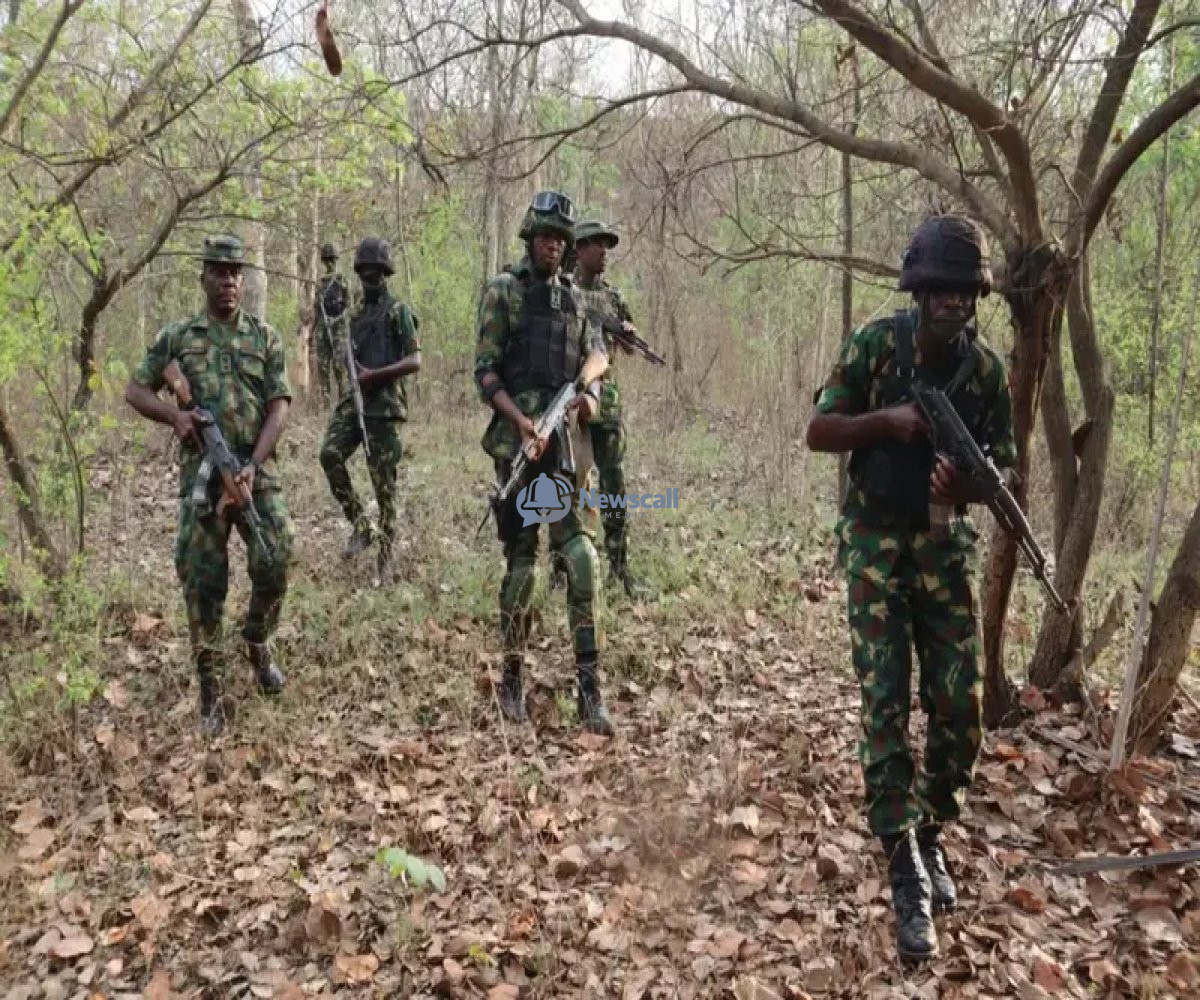
Security analysts believe the Federal Government and state governments must urgently launch a coordinated offensive to reclaim forests and dismantle terrorist strongholds permanently.
Communities must be secured. Intelligence gathering must improve. Schools must become safe again.
Above all, Nigerians are demanding one thing from President Bola Tinubu: bring the kidnapped children home alive.
Nothing would restore hope, dignity, and meaning to Children’s Day more than seeing those innocent children reunited with their families.
Until then, every celebration will remain incomplete, and every Children’s Day will continue to carry the painful echoes of a nation failing its future.

Anozie Chiemerie Emmanuel
Writer