

Dangote Refinery CEO Defends $49bn Valuation: "You're Comparing the Wrong Things"
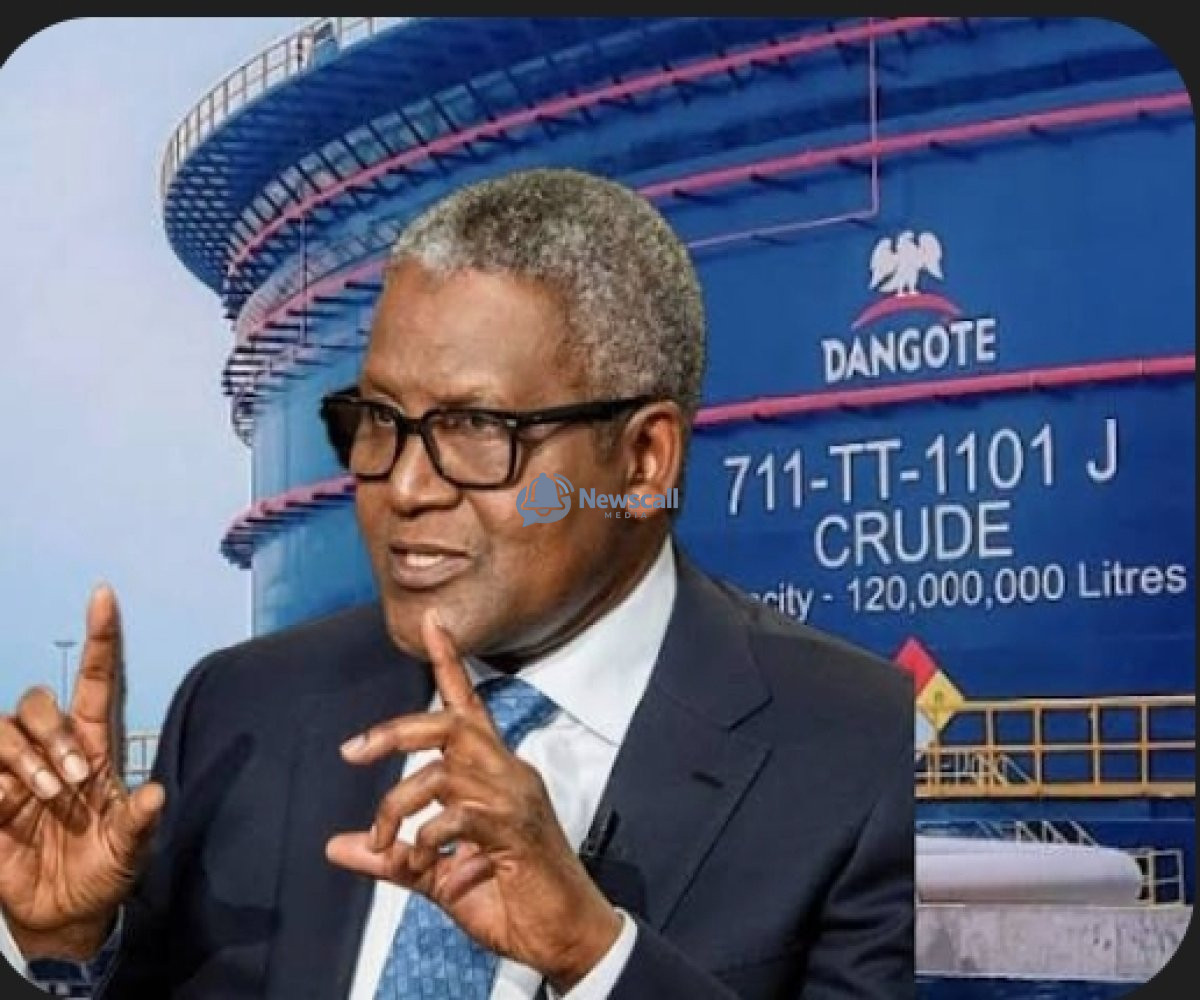
Aliko Dangote's giant oil refinery outside Lagos is asking investors to accept a valuation of close to $49 billion as it prepares for a landmark listing. David Bird, the refinery's chief executive, has a straightforward answer for those who think that price looks expensive: they are comparing the wrong things.
Speaking in Lagos, Bird pushed back against critics who point to cheaper refineries in the United States and argue that Dangote's numbers don't add up. His response is that those comparisons ignore what makes the Dangote project different. The refinery sits close to crude oil supplies, has access to cheap natural gas, and serves a massive market that currently depends heavily on imported refined products. In Bird's view, those advantages are worth a premium that US rivals simply cannot match.
The logic is easy to follow. Nigeria, despite being one of Africa's largest crude oil producers, has for decades imported most of the fuel it consumes. That contradiction oil rich but fuel-dependent has long been a source of frustration for Nigerians and a drain on the country's foreign exchange. The Dangote refinery was built to change that. If it can process crude locally and sell refined products into a market that already needs them, the business case rests on proximity and demand rather than on matching the cost structure of refineries halfway around the world.
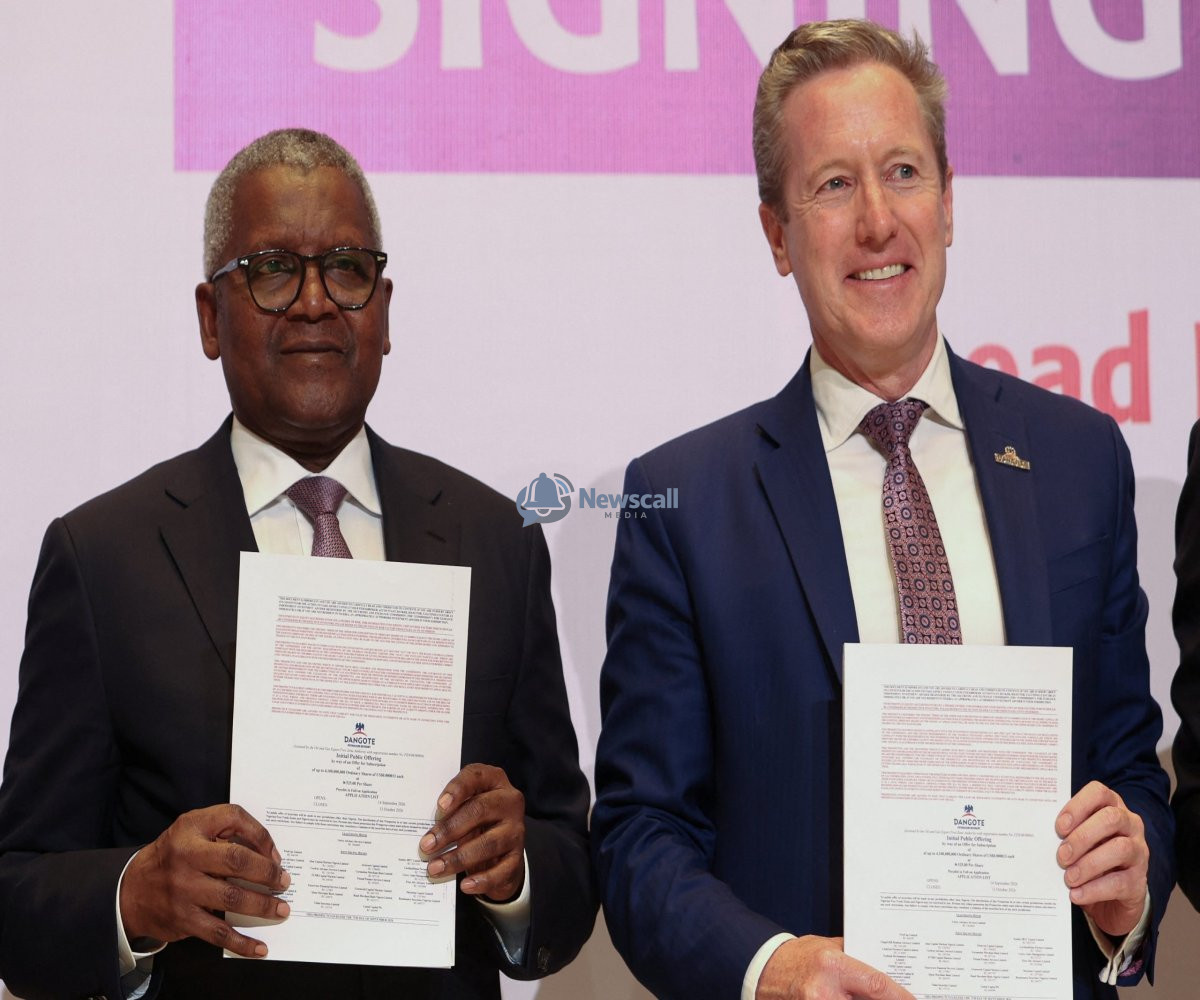
The refinery required an investment of roughly $20 billion, a staggering sum by any measure and one of the largest industrial bets ever made on the African continent. Now, with an initial public offering signed in Lagos on 7 September 2026, Dangote is inviting outside investors to buy into that bet. The signing ceremony was attended by Aliko Dangote himself, the billionaire founder and president of Dangote Group, alongside Bird a moment that marked the refinery's transition from a private obsession to a public proposition.
But Bird is candid about the risks. He acknowledges that the real test will come when the global refining cycle turns. Refining is a cyclical business, and margins that look generous during tight markets can evaporate when supply catches up. When that happens, the refinery's structural advantages cheap feedstock, cheap gas, and a captive home market will need to prove durable enough to weather leaner times.
For now, the debate is less about whether the refinery can operate and more about what it is worth. Supporters see a strategic asset that could reshape West Africa's fuel trade and reduce Nigeria's reliance on imports. Skeptics see a price tag that assumes everything goes right. Bird's answer sits somewhere in between: judge the refinery on its own terms, not against refineries that play by different rules.
The coming months will determine whether investors share his confidence. If they do, the Dangote refinery could become one of Africa's most significant public offerings. If they don't, the $49 billion question will linger until the refining cycle turns and the market delivers its verdict.

Umeanozie Prosper
Writer, Novelist,blogger, content creator