

Osun APC Faces Internal Crisis as Election Defeat Triggers Blame Game.

Osun APC Faces Internal Crisis as Election Defeat Triggers Blame Game.
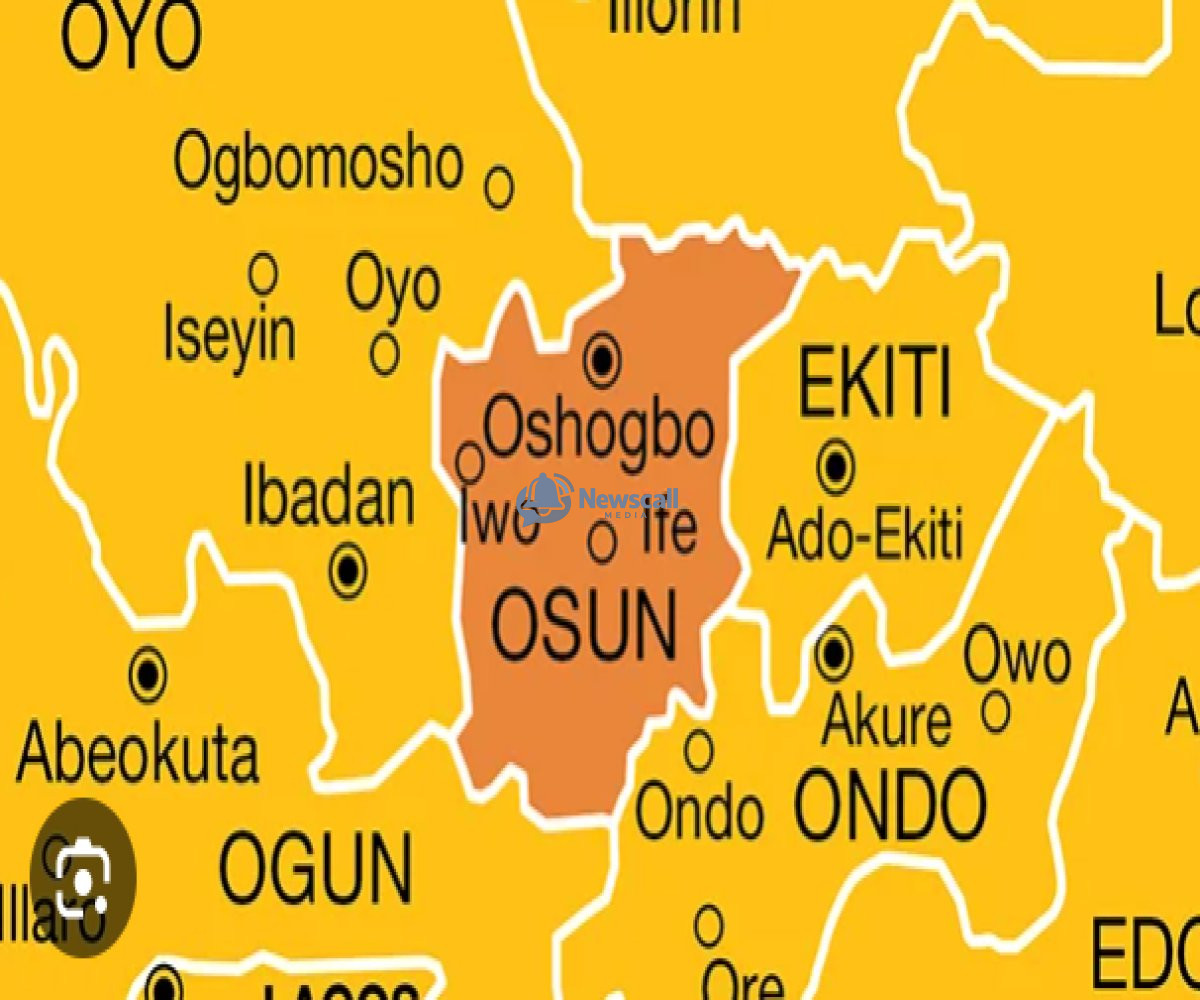
The All Progressives Congress’ defeat in the August 15 Osun governorship election has intensified divisions within the party, with rival factions blaming one another for the loss.
Governor Ademola Adeleke of the Peoples Democratic Party defeated the APC candidate, Bola Oyebamiji, with 511,067 votes to 444,815.
The dispute centres on former Governor and Minister of Marine and Blue Economy, Adegboyega Oyetola, the dominant figure in the Osun APC. Some party members accuse him of imposing Oyebamiji and operating an exclusionary structure, while his supporters blame APC National Secretary Ajibola Basiru and former National Secretary Iyiola Omisore for undermining the party.
The disagreement has deepened in the aftermath of the election, with party members trading accusations over the campaign strategy, internal consultations and the distribution of political opportunities. Several members said the crisis could persist unless the national leadership intervened quickly and created a platform for genuine reconciliation.
Dispute over the Election Defeat
Oyetola’s critics argue that the process that produced Oyebamiji, alleged favouritism in the distribution of appointments and legislative tickets, and lingering resentment toward the former governor contributed to the defeat.
They said some members who felt excluded from the party’s decision-making process either stayed away from the campaign or worked without the enthusiasm required to mobilise voters across the state. According to them, the party failed to present a united front in several local government areas where it had previously maintained a strong presence.
His supporters have rejected the allegations, maintaining that Oyetola worked to unite the party and committed significant resources to the campaign. They described his critics as saboteurs and argued that the election loss was the result of broader political factors, including the strength of the incumbent governor’s campaign.
APC stalwart Kayode Oduwoye defended Oyetola and called for unity.
“We need unity and sincerity of purpose to win elections,” Oduwoye said.
He urged party members to stop trading accusations and focus on rebuilding the APC at the ward and local government levels. Oduwoye said the party could not afford to allow personal disagreements to determine its future in the state.
Omisore and Basiru Absent from Stakeholders’ Meeting
The division was evident at a stakeholders’ meeting convened by Oyetola to review the election. Omisore and Basiru were absent, fuelling speculation that reconciliation within the party would be difficult.
Although their absence was not officially linked to the dispute, party members interpreted it as a sign that the disagreements had gone beyond ordinary post-election differences. Some stakeholders called for a broader meeting involving all factions, saying any review that excluded key figures would not resolve the crisis.
Party members said the defeat had exposed longstanding internal divisions.
“The loss has exposed the cracks that had been covered for a long time,” one member said.
Another member said the party needed to examine its structure, communication channels and relationship with grassroots supporters before beginning preparations for future elections.
Basiru and Omisore Camps Respond
Basiru denied working against the party or seeking to undermine Oyetola. His supporters said criticism of the candidate-selection process should not be interpreted as sabotage.
They argued that party leaders had a responsibility to raise concerns about decisions that could affect the APC’s electoral prospects. The camp also maintained that the defeat should not be blamed on one individual, insisting that the party’s campaign and mobilisation efforts required a collective review.
Omisore’s supporters also denied undermining the APC, accusing Oyetola’s camp of attempting to monopolise the party.
“The APC is bigger than any one person,” a member of the camp said.
They called for an open assessment of the election and urged the party leadership to ensure that future decisions were based on consultation rather than loyalty to individual leaders.
Calls for Reconciliation
Members have urged the APC’s national leadership to reconcile the rival factions, review the candidate-selection process and end public attacks.
They warned that continued division could weaken the party ahead of the 2027 elections, particularly if aggrieved members defect or remain inactive at the grassroots. Some members also called for the reorganisation of the party’s state executive and the establishment of a reconciliation committee comprising respected leaders from across the factions.
The party’s immediate challenge, according to stakeholders, is to restore confidence among members and supporters while preventing the dispute from spreading to the wards and local government chapters.
For now, the APC remains divided over the causes of its defeat and the leadership required to rebuild the party in Osun. Without a negotiated settlement, the blame game could continue to overshadow efforts to reposition the party and regain the confidence of voters.

Anozie Chiemerie Emmanuel
Writer