

TRUMP WARNS UKRAINE OVER RUSSIAN REFINERY STRIKES AS U.S. DIESEL HITS RECORD $6.20
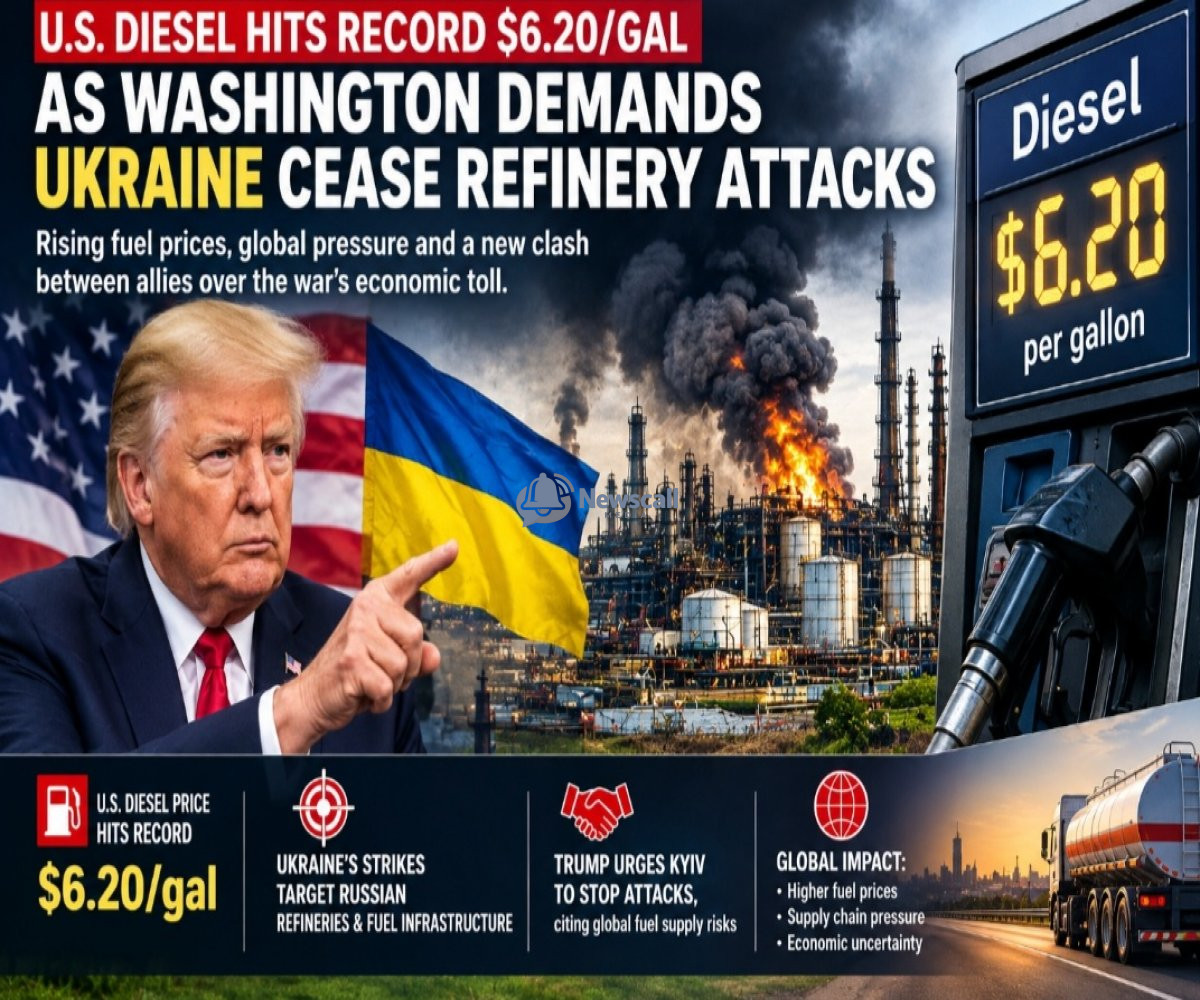
President Donald Trump has publicly urged Ukraine to stop attacking Russian oil refineries and diesel infrastructure, arguing that the strikes are contributing to a global fuel shortage at a moment when energy markets are already under extraordinary pressure.
The intervention comes after U.S. diesel prices reached a record high of about $6.20 a gallon, adding a domestic economic dimension to a war that has already reshaped global energy markets.
Trump's argument places Washington in an increasingly complicated position.
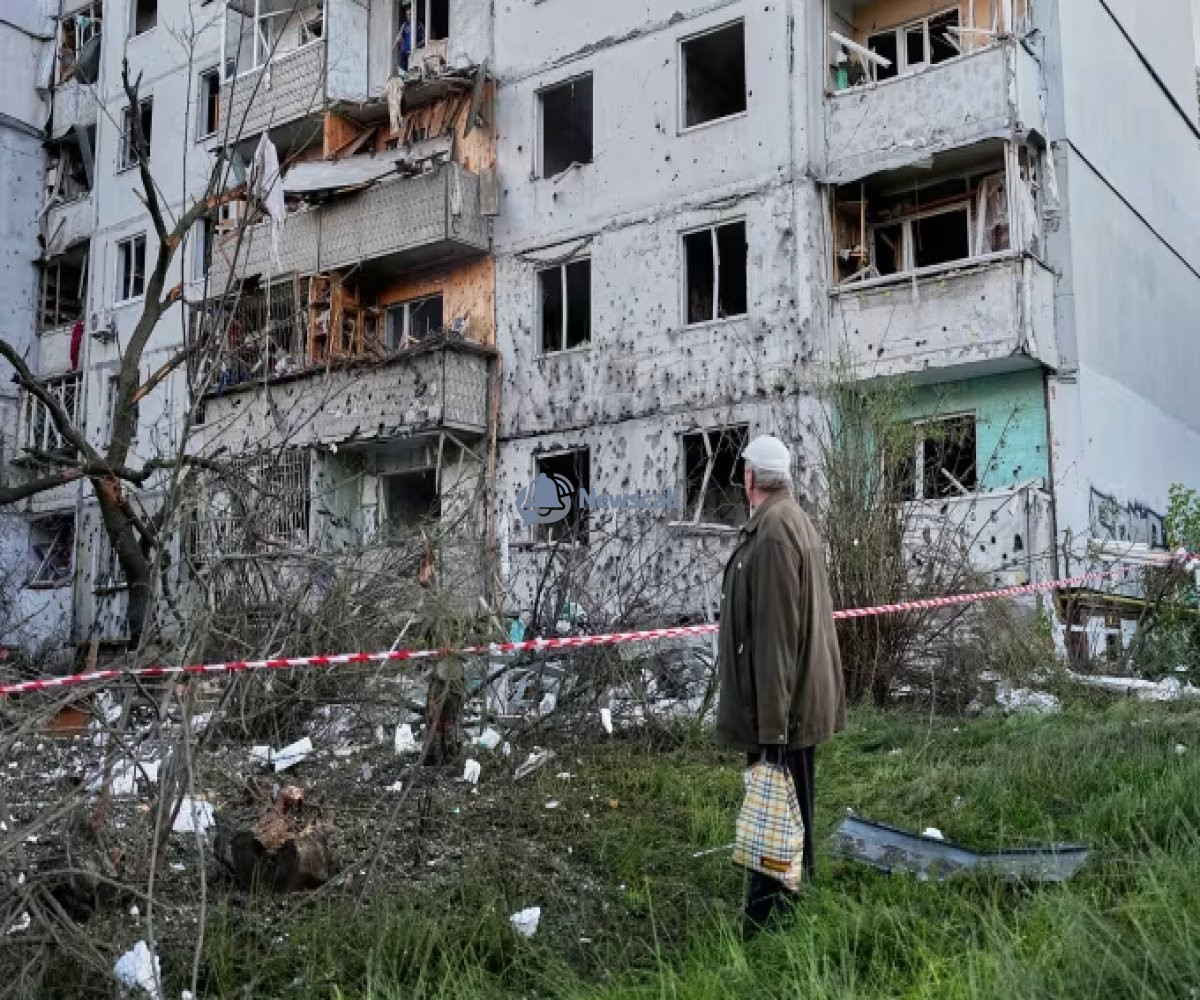
Ukraine regards Russia's oil industry as a central component of Moscow's war machine. Refinery and fuel infrastructure are not merely commercial assets: they help supply the Russian military, generate revenue and support the country's ability to sustain a prolonged conflict.
For Kyiv, therefore, attacking that infrastructure is part of the broader effort to weaken Russia's capacity to wage war.
But for Washington, the consequences now extend beyond the battlefield.
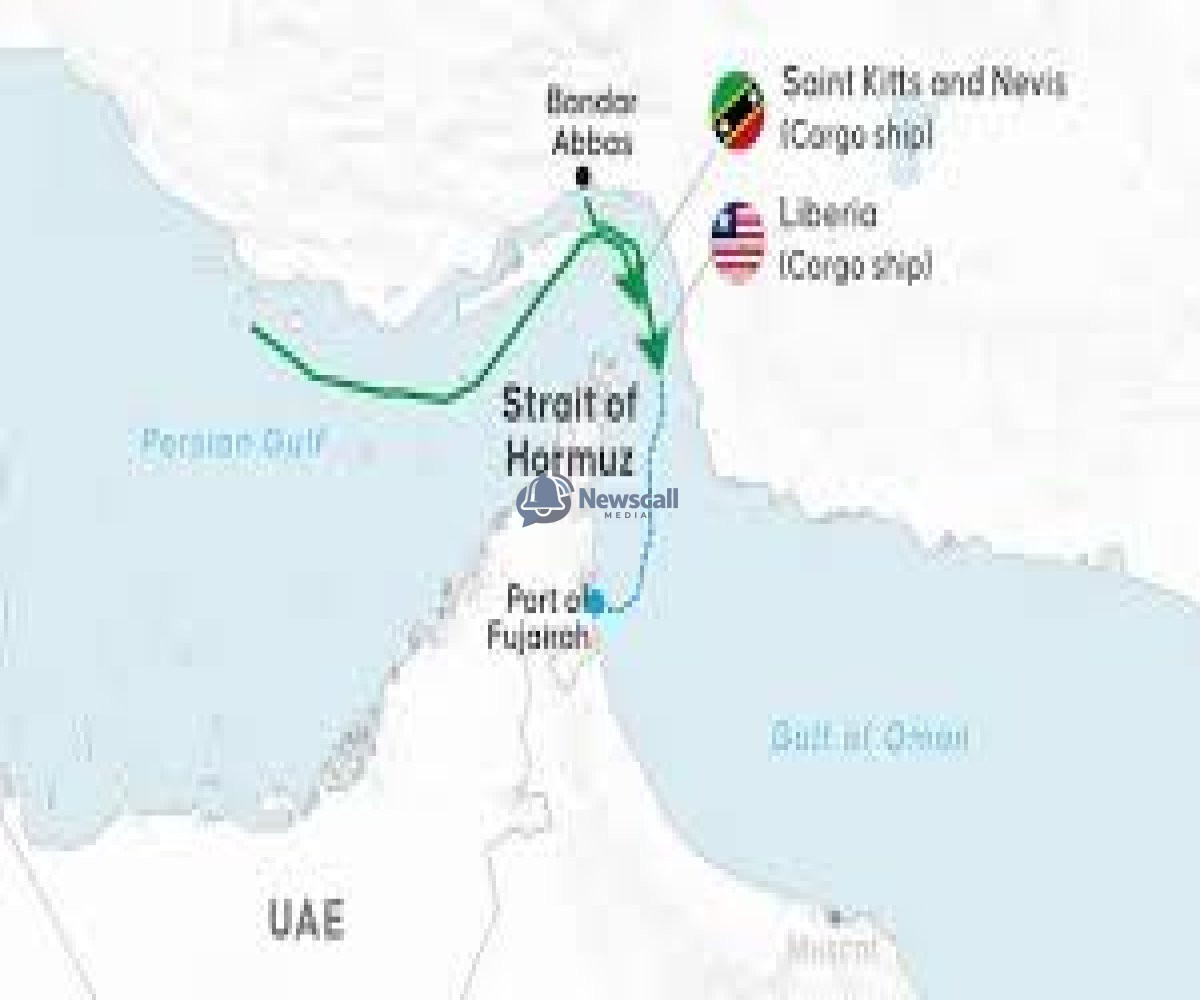
The International Energy Agency has warned that disruptions to Russian refining, combined with sharply reduced Gulf exports, have compounded losses in global diesel supplies. The disruption comes at an especially sensitive moment because the wider Middle East conflict has already reduced the availability of energy moving through traditional Gulf routes.
That creates an unusual geopolitical tension.
The United States wants Ukraine to defend itself and weaken Russia's military capabilities. At the same time, Washington has a direct interest in preventing an energy shock from becoming an economic crisis inside the United States and elsewhere.
Trump has therefore made a distinction between legitimate military targets and attacks on fuel infrastructure.
His message to Kyiv is essentially that Russia has other targets that Ukraine can strike without further damaging the world's diesel supply.
That argument is likely to be contested.
Ukraine can reasonably argue that Russia itself has used energy as a weapon of war and that allowing Russian refineries to operate without interference could strengthen Moscow's military position. From Kyiv's perspective, asking Ukraine to spare energy infrastructure risks imposing economic limits on a country fighting for its survival.
The American concern, however, is equally straightforward: diesel is not an abstract commodity.
It powers trucks, agricultural machinery, construction equipment, ships, generators and industrial supply chains. A sustained diesel shortage can therefore spread through an economy much faster than consumers might expect.
Higher diesel prices increase the cost of transporting food and manufactured goods. They raise operating expenses for businesses and place additional pressure on households. In countries that import petroleum products, the effects can be even more severe.
The timing could hardly be more politically sensitive.
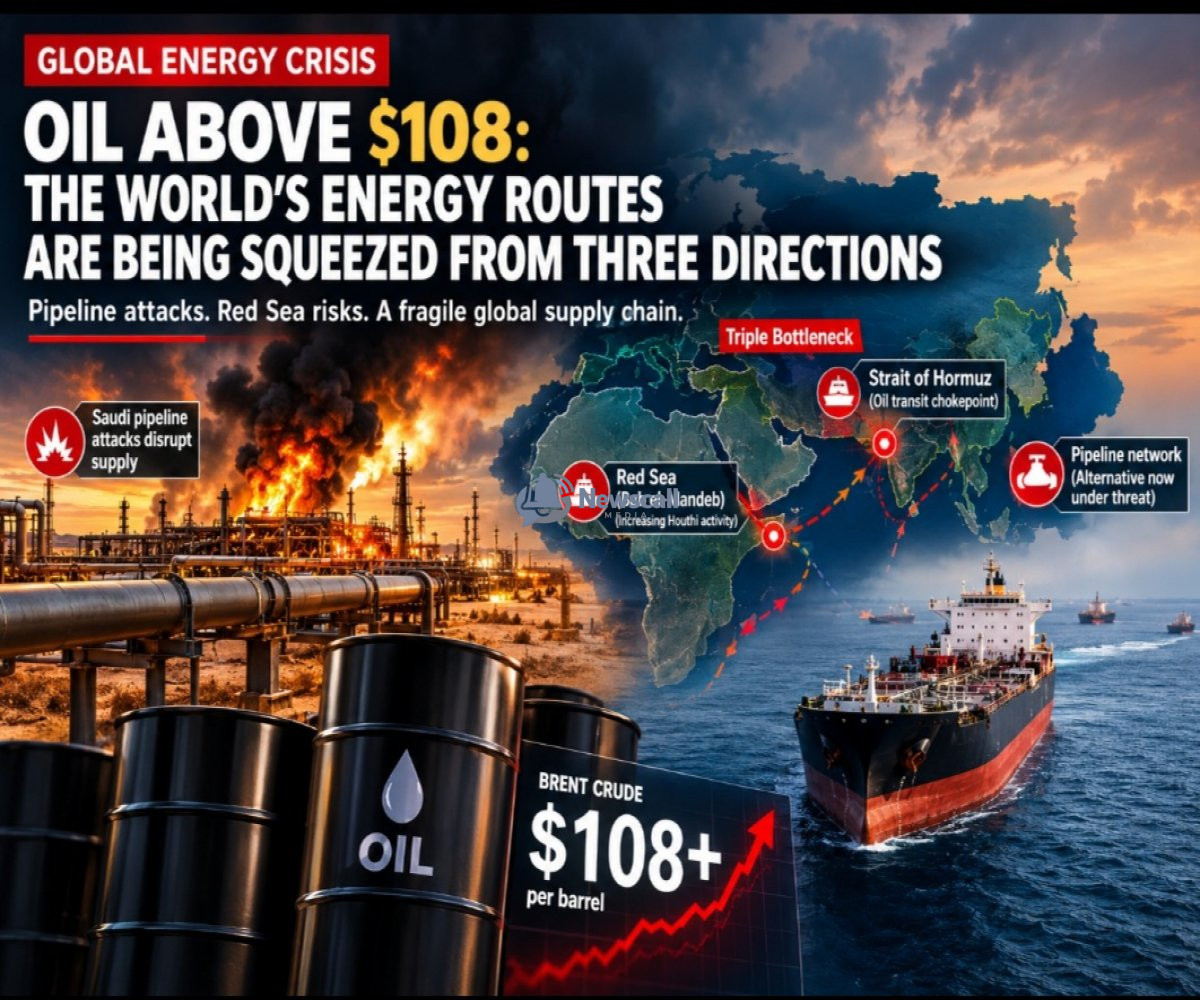
Oil prices are already above $108 a barrel after attacks on Saudi infrastructure and escalating risks around major Middle Eastern shipping routes.
The result is an energy market caught between several wars and several competing priorities.
Russia's invasion of Ukraine has disrupted energy flows.
Ukraine's counter-strikes are disrupting Russian refining capacity.
The Middle East conflict is threatening major oil-producing infrastructure and maritime routes.
And consumers are paying the price.
For Trump, the political calculation is increasingly clear: whatever the military merits of individual Ukrainian strikes, Washington does not want the global fuel market to become another front in the war.
That makes his intervention more than a comment about gasoline or diesel.
It is a sign that energy security is becoming a constraint on wartime strategy.
The question now is whether Ukraine will adjust its targeting decisions—or whether Washington's concern over global fuel prices will collide even more directly with Kyiv's military strategy.
Either way, the price at the American pump has become part of the geopolitics of the war.

OKORO WILSON EGWU
“Independent journalist delivering sharp, reporting on global conflicts, humanitarian crises, and international diplomacy. Known for transforming complex world events into...