
Digital Twins: The Virtual Copies of Real-World Systems
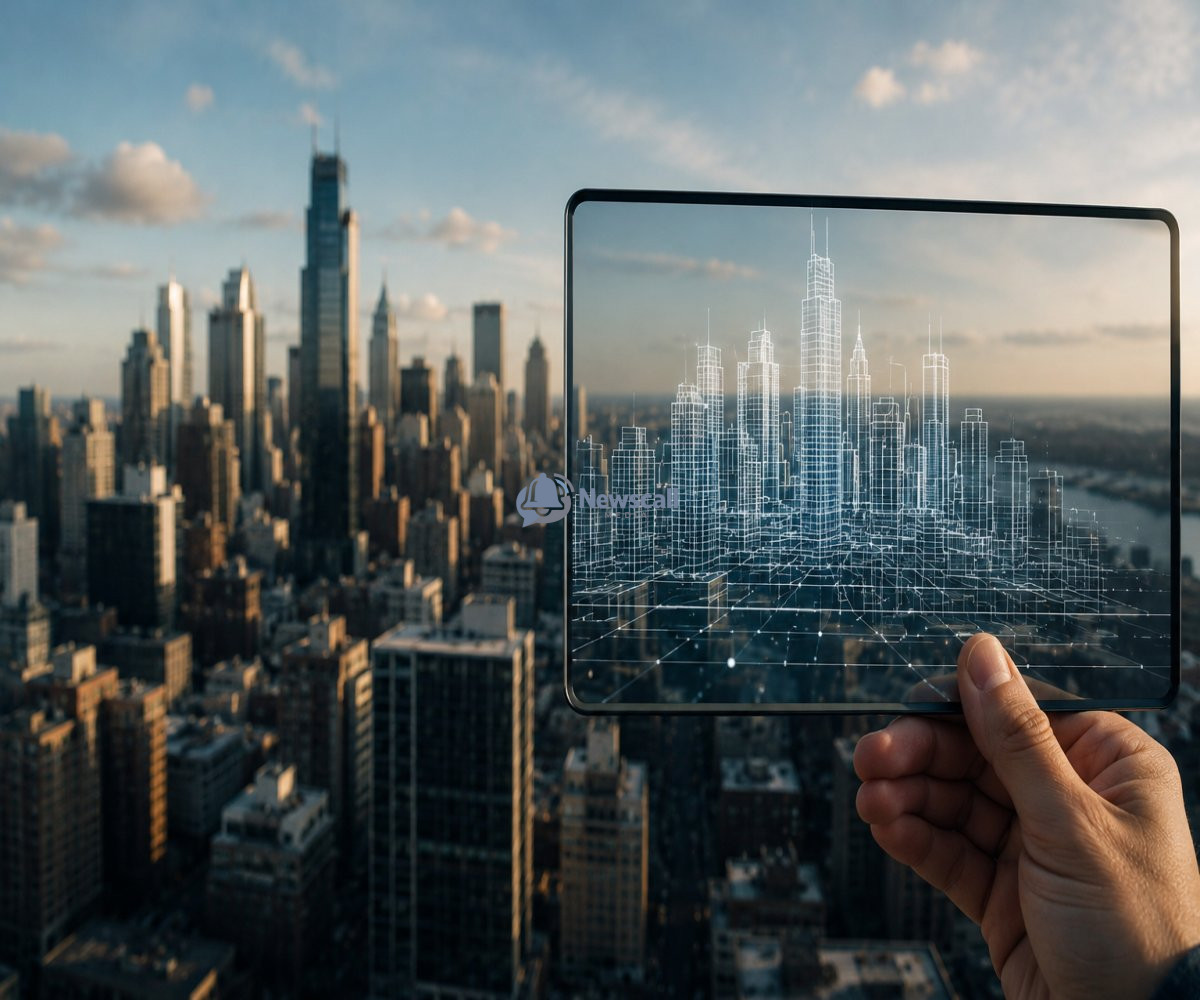
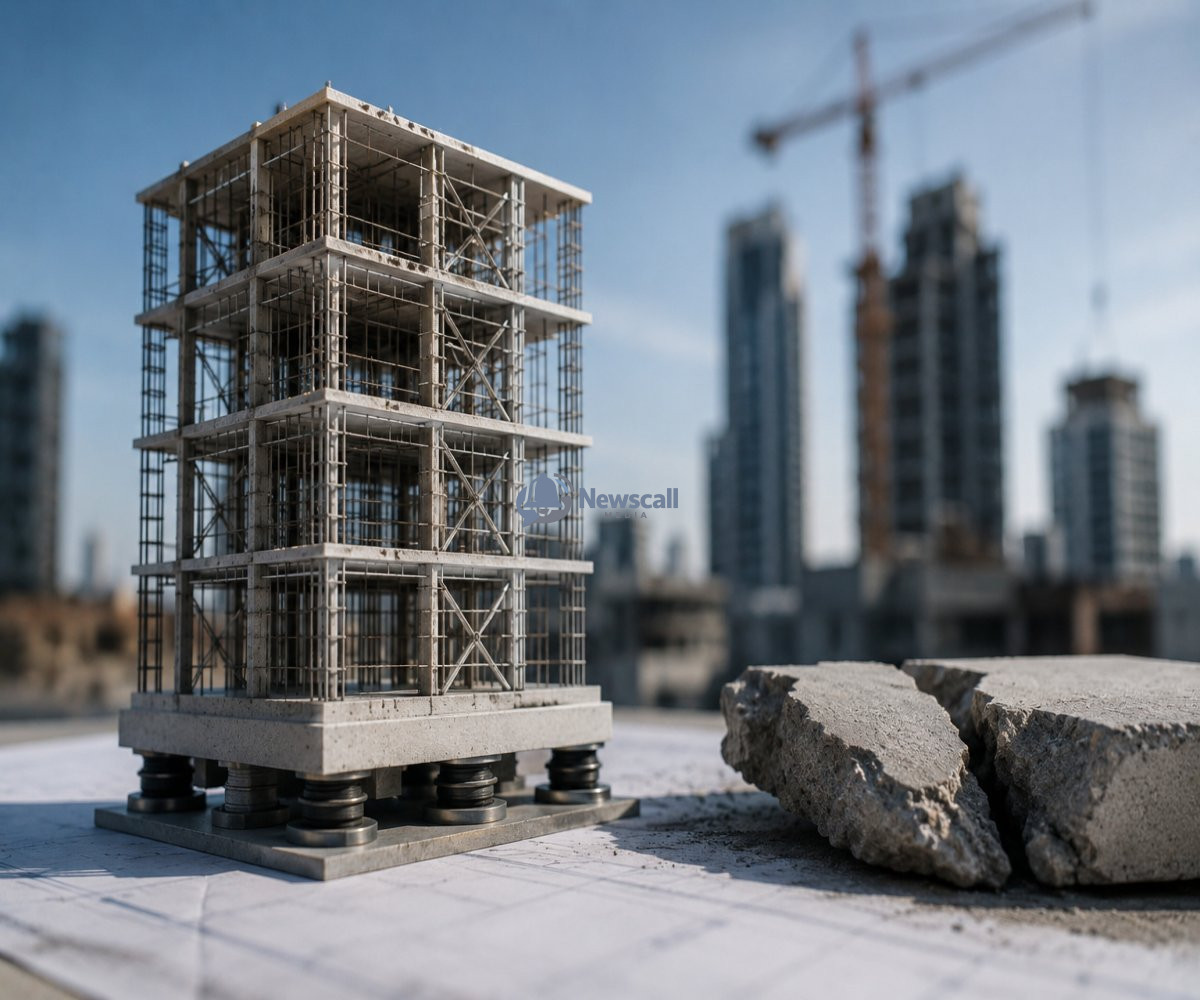
Imagine if every bridge, airplane, factory, power plant, and even your own body had a perfect digital copy existing somewhere in a computer. Not a simple 3D model, but a living replica that constantly updates itself as the real-world version changes. If a machine begins to overheat, the copy knows. If traffic builds up on a highway, the copy sees it. If a crack starts forming inside a bridge, the copy notices before anyone else does.
This technology already exists, and it is known as the digital twin.
Although most people have never heard the term, digital twins are quietly becoming one of the most important technologies of the modern era. They are helping engineers predict failures before they happen, allowing cities to plan smarter infrastructure, and giving businesses the ability to test major decisions without risking real-world consequences.
For centuries, humanity has relied on observation and experimentation to understand how systems work. If engineers wanted to know how a bridge would react to stress, they had to build it and wait. If a company wanted to improve a manufacturing process, it often had to experiment directly on the production line. Mistakes were expensive, and sometimes dangerous.
Digital twins change that relationship completely.
At their core, digital twins are virtual versions of real-world systems connected through a constant stream of data. Sensors placed on physical objects collect information such as temperature, movement, pressure, energy consumption, vibration, and structural stress. That information is then transmitted to software platforms that continuously update the digital model.
The result is something that behaves almost like the real object itself.
Unlike traditional simulations, which often represent a snapshot in time, digital twins evolve alongside their physical counterparts. They can reveal what is happening now, what happened in the past, and, perhaps most importantly, what is likely to happen next.
This predictive capability is what makes the technology so powerful.
Consider a modern jet engine. An aircraft engine contains thousands of components operating under extreme conditions. A single unexpected failure can result in massive repair costs and dangerous situations. Traditionally, maintenance schedules were based on estimates and routine inspections. Parts might be replaced too early, wasting money, or too late, creating risks.
With digital twins, engineers can monitor every aspect of an engine's performance in real time. Tiny changes in temperature, vibration patterns, or fuel efficiency can signal potential problems long before they become serious. Instead of reacting to failures, airlines can prevent them.
The same idea is transforming manufacturing.
Modern factories generate enormous amounts of information every second. Machines start and stop, materials move across production lines, and countless small variables affect efficiency. Most of these processes are invisible to human operators.
A digital twin turns that invisible activity into something that can be studied and improved. Engineers can test changes inside the virtual factory before making them in the real one. They can identify bottlenecks, reduce waste, and improve productivity without disrupting operations. What once required expensive trial and error can now be accomplished through simulation.
The concept becomes even more fascinating when applied to entire cities.
Around the world, urban planners are beginning to create digital twins of roads, buildings, transportation systems, and public infrastructure. These virtual cities allow officials to study how changes might affect millions of people before construction even begins.
A proposed highway can be tested virtually to determine its impact on traffic flow. New buildings can be evaluated for their effects on energy consumption. Emergency evacuation plans can be simulated under countless scenarios. Instead of relying solely on forecasts and assumptions, planners can explore possibilities inside a living digital environment.
Perhaps the most ambitious vision of all involves healthcare.
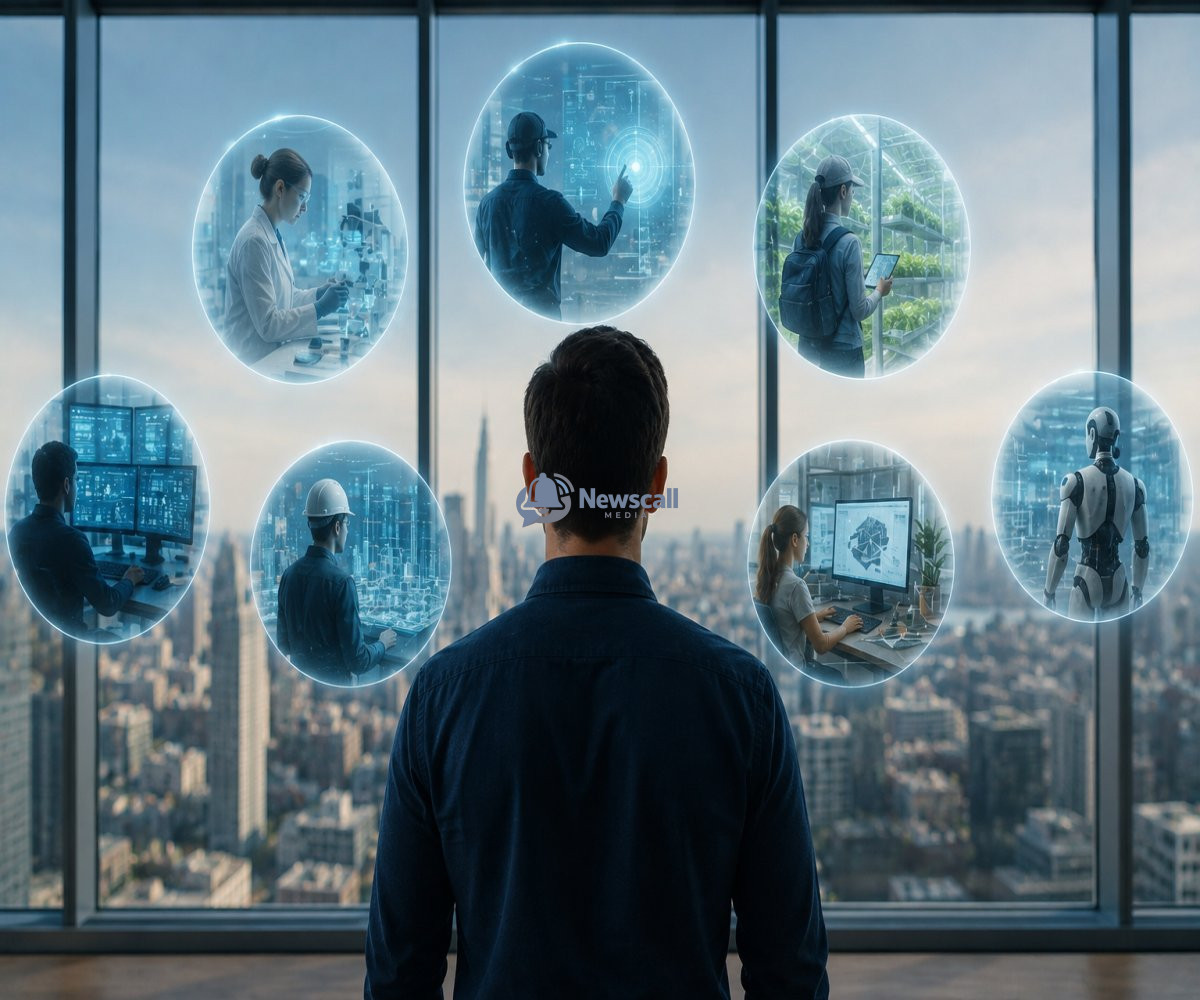
Researchers are working toward creating digital twins of individual patients. These virtual models could incorporate information about organs, blood flow, genetics, and medical history. In theory, doctors could one day test treatments on a patient's digital twin before applying them in reality.
Imagine a world where a physician can predict how your body will respond to a medication before you ever take it. While this remains an emerging field, it demonstrates how far the technology could eventually go.
None of this would be possible without artificial intelligence.
A digital twin can collect and display enormous amounts of information, but AI is what allows that information to become useful. Machine-learning systems identify patterns that humans might never notice. They can detect early warning signs, forecast future outcomes, and recommend actions that improve performance.
In many cases, the digital twin serves as the eyes and ears, while artificial intelligence acts as the brain.
Of course, the technology is not without challenges. Building accurate digital twins requires massive amounts of reliable data. Poor-quality information can lead to incorrect predictions. Cybersecurity is another concern, as connected systems become attractive targets for attackers. The cost of creating highly detailed digital twins can also be significant, particularly for large and complex systems.
Despite these obstacles, investment in the technology continues to grow. Companies, governments, and research institutions increasingly view digital twins as a critical tool for managing complexity in an increasingly connected world.
What makes digital twins especially remarkable is that they blur the boundary between the physical and digital realms. For most of human history, our understanding of the world was limited by what we could directly observe. Today, we are beginning to create virtual counterparts that allow us to explore reality in ways that were previously impossible.
In the coming decades, digital twins may become as common as websites or smartphones are today. Entire transportation networks could have digital replicas. Power grids could optimize themselves automatically. Buildings could predict maintenance needs years in advance. Cities could continuously adapt to changing conditions in real time.
Most people will never see these systems working behind the scenes. Yet they may quietly influence how we travel, how we receive healthcare, how businesses operate, and how cities function.
The future may not simply be connected. It may exist simultaneously in two worlds—one physical and one digital—constantly learning from each other through the invisible technology known as the digital twin.

Victor Oluebubechukwu Akuma.
Creative writer