


Ebola Fears: Nigeria Declares Borders Secure, Immigration Dismisses “Porous” Claims
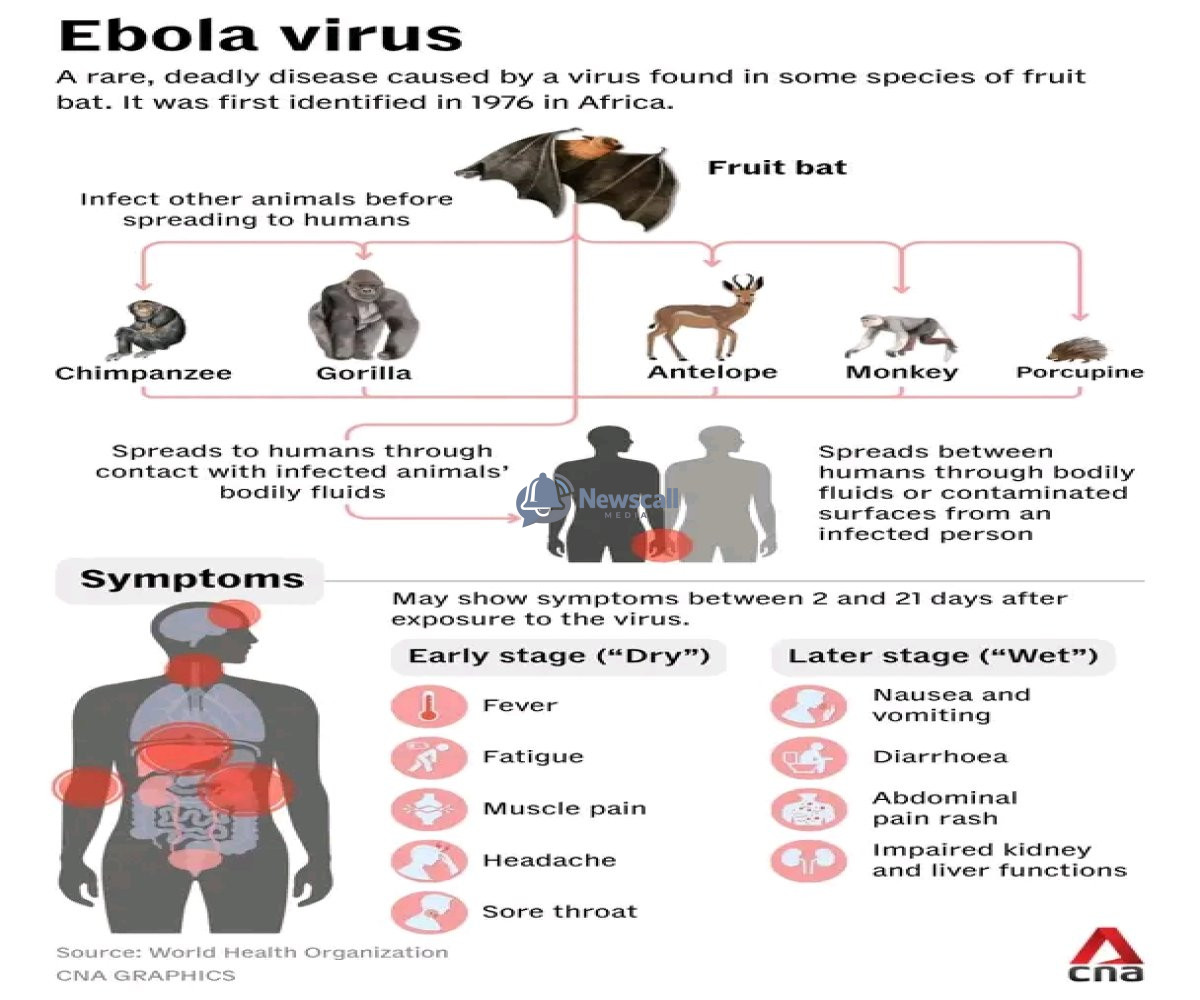
The Nigeria Immigration Service (NIS) has moved to reassure Nigerians that the country’s land borders are under strict surveillance and cannot be described as porous amid growing concerns over the spread of the Ebola virus in parts of Central and East Africa.
The clarification comes as health authorities and international agencies raise alarm over a new Ebola outbreak reported in the Democratic Republic of the Congo (DRC) and Uganda, prompting fears that West African countries, including Nigeria, could be at risk due to regional travel and informal cross-border movement.
“Every Entry Point Is Monitored” – Immigration
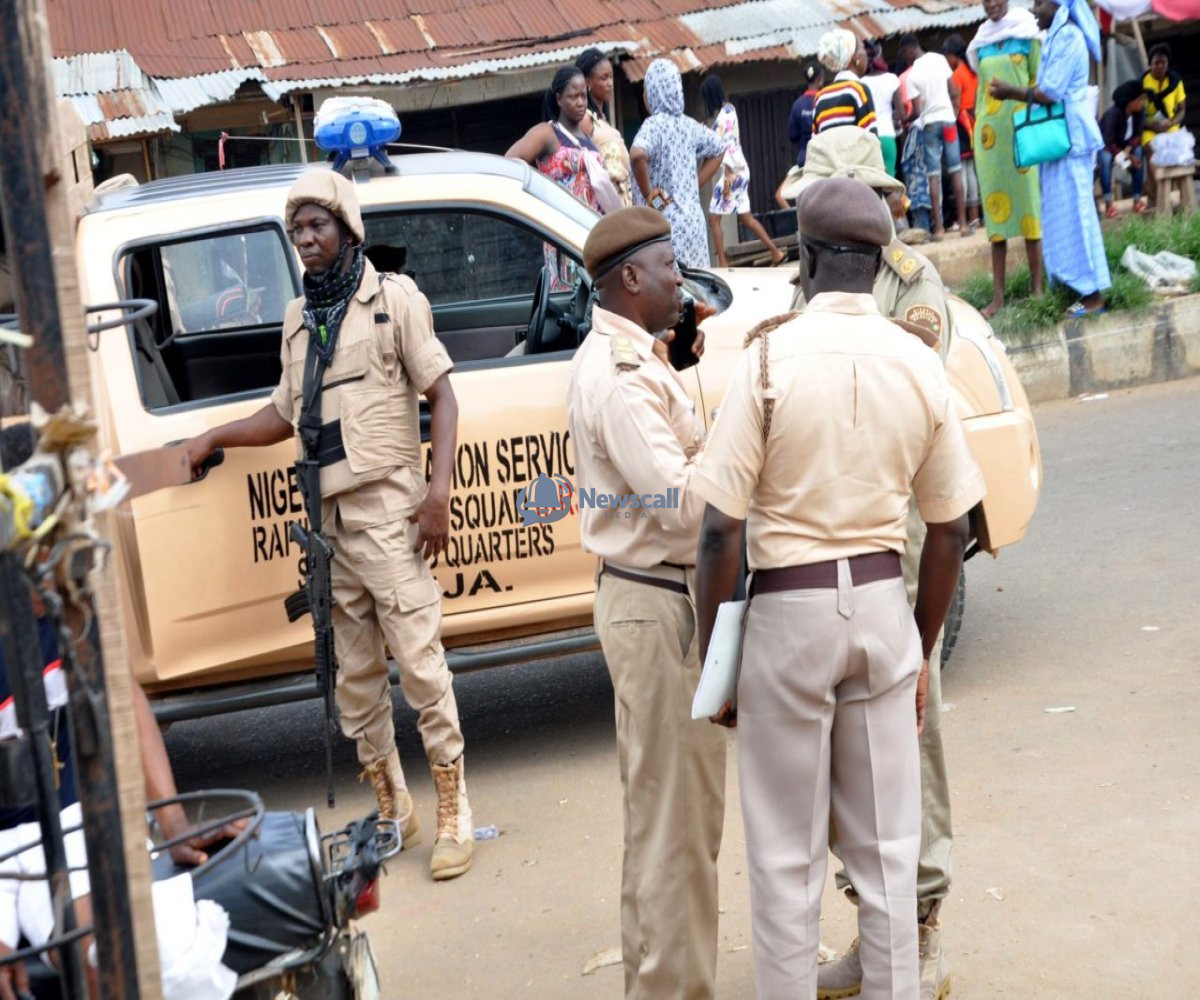
Speaking in an interview, the NIS Public Relations Officer, Akinsola Akinlabi, insisted that Nigeria’s borders are actively manned and supported by modern surveillance technology designed to track movement across both official and hard-to-reach entry points.
According to him, the idea that Nigeria’s borders are “porous” is misleading, stressing that every legitimate entry point into the country is controlled by immigration officers.
“Our borders are not porous. Anyone who comes in through our borders is known. They must show proper documents, including an international health certificate,” Akinlabi said.
He explained that the agency’s primary responsibility is to ensure that individuals entering or leaving the country do so through lawful channels, with proper documentation and security checks in place.
“Our job is to man the borders and ensure that people who shouldn’t be in the country are not allowed into the country,” he added.
Nigeria’s Extensive Border Challenges
Nigeria shares over 4,000 kilometres of land borders with Benin Republic, Niger Republic, Chad, and Cameroon. These extensive boundaries have long been a challenge for border control agencies due to difficult terrain, remote crossings, and informal routes used by local communities.
While acknowledging these realities, Akinlabi maintained that the government has significantly strengthened border management through both manpower deployment and technological innovation.
He explained that the service does not rely solely on physical presence but also integrates digital systems to enhance monitoring and intelligence gathering across the border regions.
“For us, a porous border is one that is not manned. All our borders are manned. It is not a question of porosity but the expansiveness of our borders and the measures government has put in place to address those challenges,” he said.
Digital Surveillance and Border Technology
The Immigration Service spokesperson disclosed that the Federal Government has invested in advanced border control systems to improve national security and disease prevention monitoring.
Among these tools are the Integrated Border Management System (IBMS) and the Migration Information and Data Analysis System (MIDAS), which allow authorities to track and verify travelers entering Nigeria.
He noted that these technologies complement physical border patrols, particularly in areas where officers cannot be permanently stationed due to geography or security risks.
“Apart from having boots on the ground, the government has invested in technology so that we are able to monitor the border more efficiently,” Akinlabi said.
“With the expansiveness of our borders, we are using technology to close that gap, monitor and police the border in a way that it is secured.”
Coordination With Health Authorities
On concerns about Ebola screening and prevention at entry points, the NIS spokesperson said the agency operates in close coordination with Nigeria’s health institutions, particularly during global health emergencies.
He explained that immigration officers do not act independently in disease control matters but rely on guidance from health authorities such as the Nigeria Centre for Disease Control and Prevention (NCDC) and the Federal Ministry of Health.
“Normally, we will wait for the advisory from the NCDC and the health ministry. We listen to their lead. As the Immigration Service, we are ever ready to do our part,” he stated.
He further recalled that during previous pandemics, health officials were deployed to airports and border points to support screening and prevention efforts, adding that similar arrangements would be activated if necessary.
Ebola Outbreak Raises Regional Alarm
The reassurance from Nigerian authorities comes amid a worsening Ebola outbreak in Central and East Africa.
On May 17, 2026, the World Health Organisation (WHO) declared a Public Health Emergency of International Concern following the resurgence of Ebola virus disease caused by the Bundibugyo strain.
The outbreak, which began in early May 2026 in the Mongbwalu Health Zone of Ituri Province in northeastern DRC, has since spread rapidly to other regions, including urban centers.
Health authorities confirmed that the outbreak has resulted in hundreds of suspected and probable cases, with dozens of confirmed infections and a rising death toll. The case fatality rate for this strain has historically ranged between 30% and 50%.
By mid-May, cases had already been reported in the DRC capital, Kinshasa, as well as in neighbouring Uganda, including confirmed infections in Kampala, raising fears of further cross-border transmission.
No Ebola Case in Nigeria – NCDC
Despite regional spread, the Nigeria Centre for Disease Control and Prevention (NCDC) has confirmed that no case of Ebola virus disease linked to the current outbreak has been recorded in Nigeria.
The agency continues to monitor the situation closely and has advised Nigerians to remain calm but vigilant, especially regarding travel history, hygiene practices, and early reporting of symptoms.
Enhanced Airport Screening in Nigeria
In response to the outbreak, the Federal Airports Authority of Nigeria (FAAN) announced that it has intensified health surveillance measures at all international airports in collaboration with relevant health agencies.
Passengers arriving from high-risk countries are now subjected to enhanced screening procedures, including temperature checks and symptom assessments. Any suspected cases are to be immediately isolated and referred for further medical evaluation.
Authorities say these measures are part of Nigeria’s broader preparedness strategy to prevent any reintroduction of Ebola into the country, which previously battled outbreaks in 2014 and successfully contained them.
Public Health Advisory Continues
Health experts continue to urge Nigerians to avoid contact with wild animals, especially bushmeat, which has been linked to Ebola transmission in past outbreaks. Citizens are also advised to report unusual symptoms such as sudden fever, vomiting, and unexplained bleeding to health facilities promptly.

Anozie Chiemerie Emmanuel
Writer