

From Crisis to Home: Katsina Governor Unveils New Housing Estate for Jibia IDPs, Hands Out N500 Million in Grants.
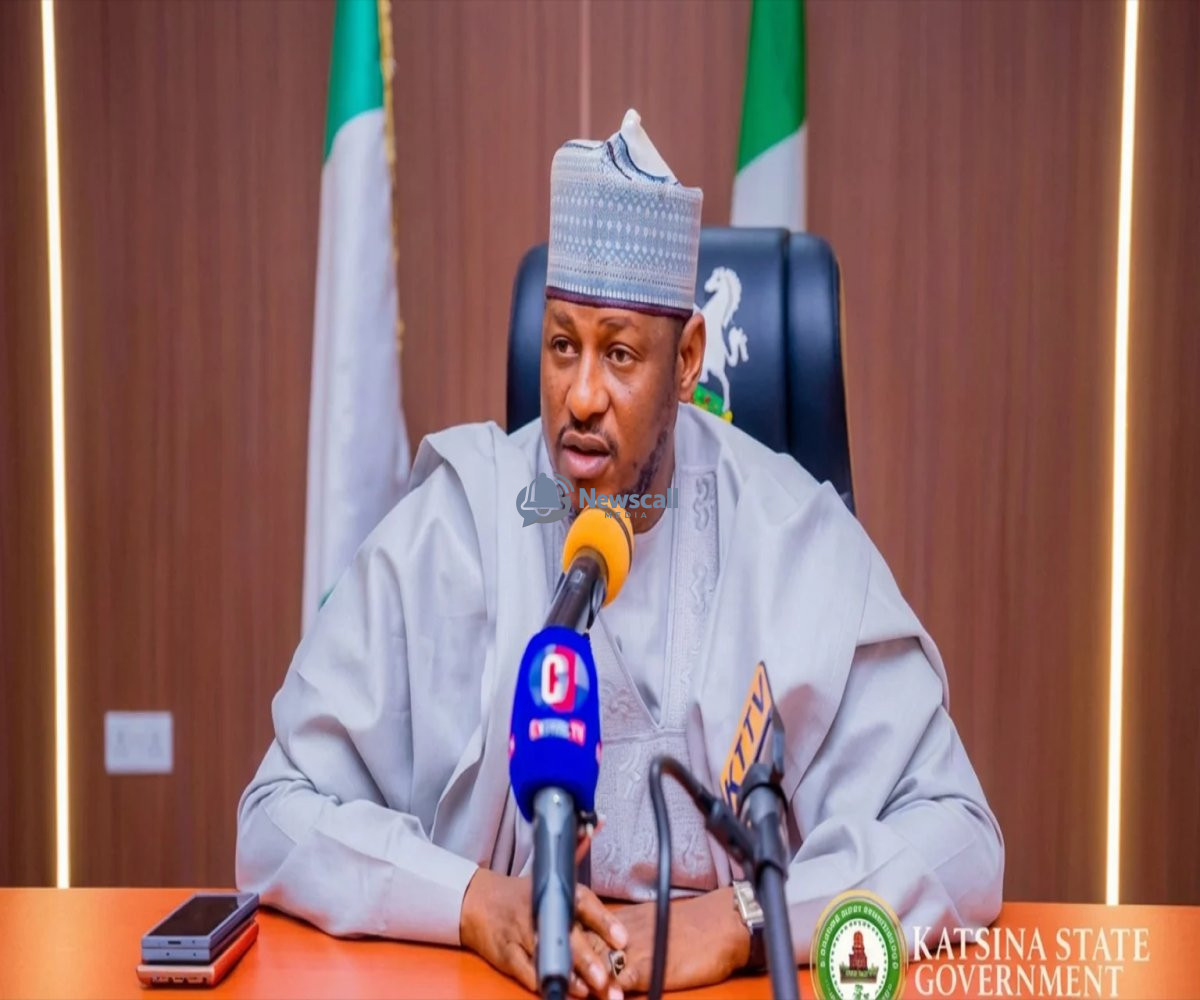
It was a day of hope and rebuilding in Katsina State on Thursday as Governor Dikko Radda officially handed over a brand new, multi million naira housing estate to Internally Displaced Persons (IDPs) in Jibia Local Government Area.
But the good news didn’t stop there. The governor also switched on a solar mini-grid and launched "Climate Peace Hubs" in the council area, signalling a fresh start for communities uprooted by violence.
Speaking at the event, Governor Radda was clear that this wasn't a solo effort. He described the 152-unit mass housing scheme as the sweet fruit of teamwork, bringing together the Katsina State Government, the United Nations Development Programme (UNDP), the German Government (via GIZ), and the Norwegian Government.
"Katsina State provided the land, perimeter fencing, a place of worship, a school, drainage, roads, and even furniture," Radda explained. But the most immediate relief came in the form of cash. The government released ₦500 million as free grants to 500 people from Jibia through the Katsina State Enterprises Development Agency. The goal? To help them revive small businesses and restore their livelihoods from the ground up.
The UNDP’s Resident Representative in Nigeria, Ms. Elsie G. Attafuah, praised the state’s leadership, calling their financial contribution a true sign of local ownership. "What we’re seeing today isn’t the end of the story it’s the foundation," she said. "These investments create the conditions for recovery, resilience, and long term peace. You can’t separate development from peace."
Also throwing her support behind the project, German Ambassador Anneth Gunther promised that her country would keep working with the UNDP and the state to expand similar recovery and prevention programmes across the northwest region.
The National Security Adviser, represented by Ambassador Abimbola Wonosiko from the National Counter Terrorism Centre, summed up the mood perfectly. He noted that sustainable peace can’t be won by security forces alone. "You need investments that strengthen livelihoods, social cohesion, and hope for vulnerable people," he said.
How the Houses Came Together
Earlier, the state Commissioner for Rural and Social Development, Prof Abdulhameed Mani, revealed that construction kicked off in October 2024 and wrapped up around mid 2025.
He painted a vivid picture of the new homes: "Each of the 152 houses has two bedrooms, a toilet, a bathroom, and a large courtyard big enough for a small orchard or some livestock, just as locals would want." The estate also has four main water points, access roads, street lights, and worship centres. "It’s infrastructure that supports dignity," Mani added.
Choosing who got the homes was no rush job. A committee made up of traditional rulers, elders, youth, civil society, and government officials carefully screened applicants from all 11 wards of the council area.
And housing isn't all. The government also provided 2,000 people with livelihood support in farming and small business grants, upgraded the Jibia cattle market, built a new veterinary clinic, trained border security personnel on cross border trade, and equipped local government staff to offer counselling to banditry victims.
A special committee has already been set up to manage the estate after commissioning, with a simple mandate: ensure proper maintenance and peaceful living among the new neighbours.
The overjoyed chairman of Jibia council, Hon. Sirajo Ado, thanked the governor and the UNDP for choosing his community. He pledged that his administration would work tirelessly to protect the project and make sure it serves the people well.

Umeanozie Prosper
Writer, Novelist,blogger, content creator