


How APIs Quietly Became the Backbone of Modern Software
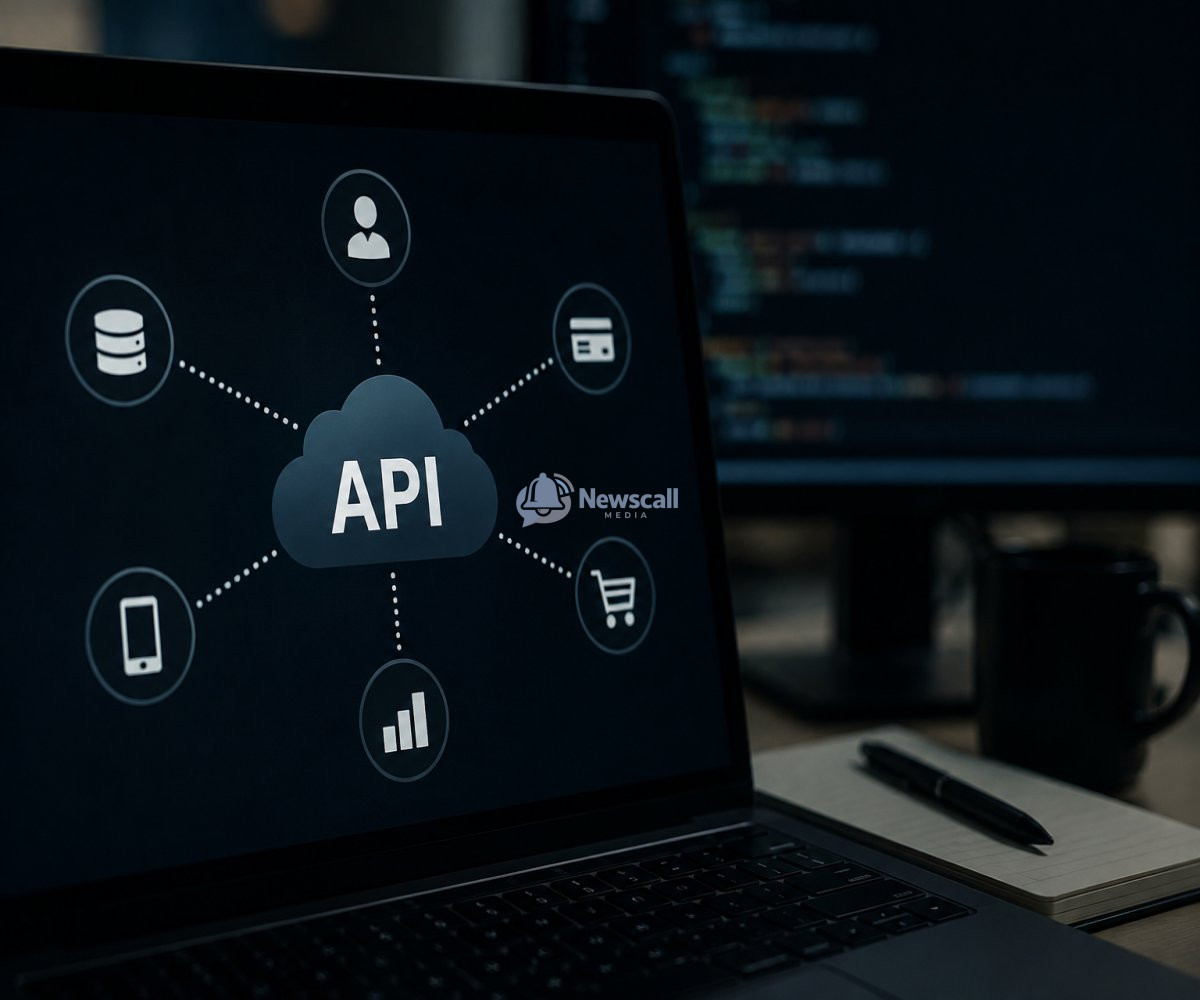
Most people use modern apps without realizing how many systems are working together behind the scenes.
A user orders food online.
Pays through a banking app.
Signs in with Google.
Receives a delivery notification instantly.
It feels seamless.
But underneath many modern digital experiences is something quietly powering the internet itself:
APIs.
Application Programming Interfaces — commonly called APIs — have become one of the most important foundations of modern software infrastructure.
And most users never notice them.
An API is essentially a communication bridge between software systems.
It allows different platforms, applications, and services to exchange data and functionality automatically.
Instead of building every system from scratch, companies now connect software together through APIs.
This changed how modern startups build products.
Years ago, startups often needed to create massive internal systems themselves.
Today, many companies build products by combining specialized services together:
- payment systems
- authentication tools
- maps
- cloud storage
- messaging systems
- AI services
- cybersecurity infrastructure
APIs made software dramatically faster to build.
A startup can now launch globally using infrastructure provided by companies like:
- Stripe for payments
- Twilio for messaging
- Google for maps and authentication
- Amazon cloud infrastructure
- OpenAI for AI capabilities
Instead of building everything internally, startups increasingly assemble products using connected infrastructure layers.
This shift quietly transformed the technology industry.
Software became modular.
Companies no longer needed to solve every technical challenge independently.
Instead, APIs allowed businesses to focus heavily on their core product while outsourcing complex infrastructure to specialized platforms.
This accelerated startup innovation globally.
Some of the world’s most successful technology companies today are not consumer apps at all.
They are infrastructure businesses powering other software behind the scenes.
These “invisible startups” became incredibly valuable because modern software increasingly depends on connected ecosystems.
APIs also helped fuel:
- cloud computing growth
- fintech expansion
- AI integration
- remote work software
- mobile app ecosystems
- automation systems
Without APIs, much of the modern internet would feel fragmented and significantly slower to evolve.
But APIs also introduced new challenges.
As software systems became more interconnected, companies faced growing concerns around:
- cybersecurity
- reliability
- data privacy
- dependency risks
- infrastructure failures
A single API outage can now affect thousands of businesses simultaneously because so much software depends on shared infrastructure.
The broader transformation is that the internet is no longer built mainly from isolated software products.
It is increasingly built from interconnected systems communicating constantly in the background.
And APIs became the invisible language making that communication possible.
Most users may never see them directly…
But APIs quietly became one of the most important technologies shaping the modern software economy itself.

Victor Oluebubechukwu Akuma.
Creative writer