

The Startup That Changed How People Watch Movies — Netflix
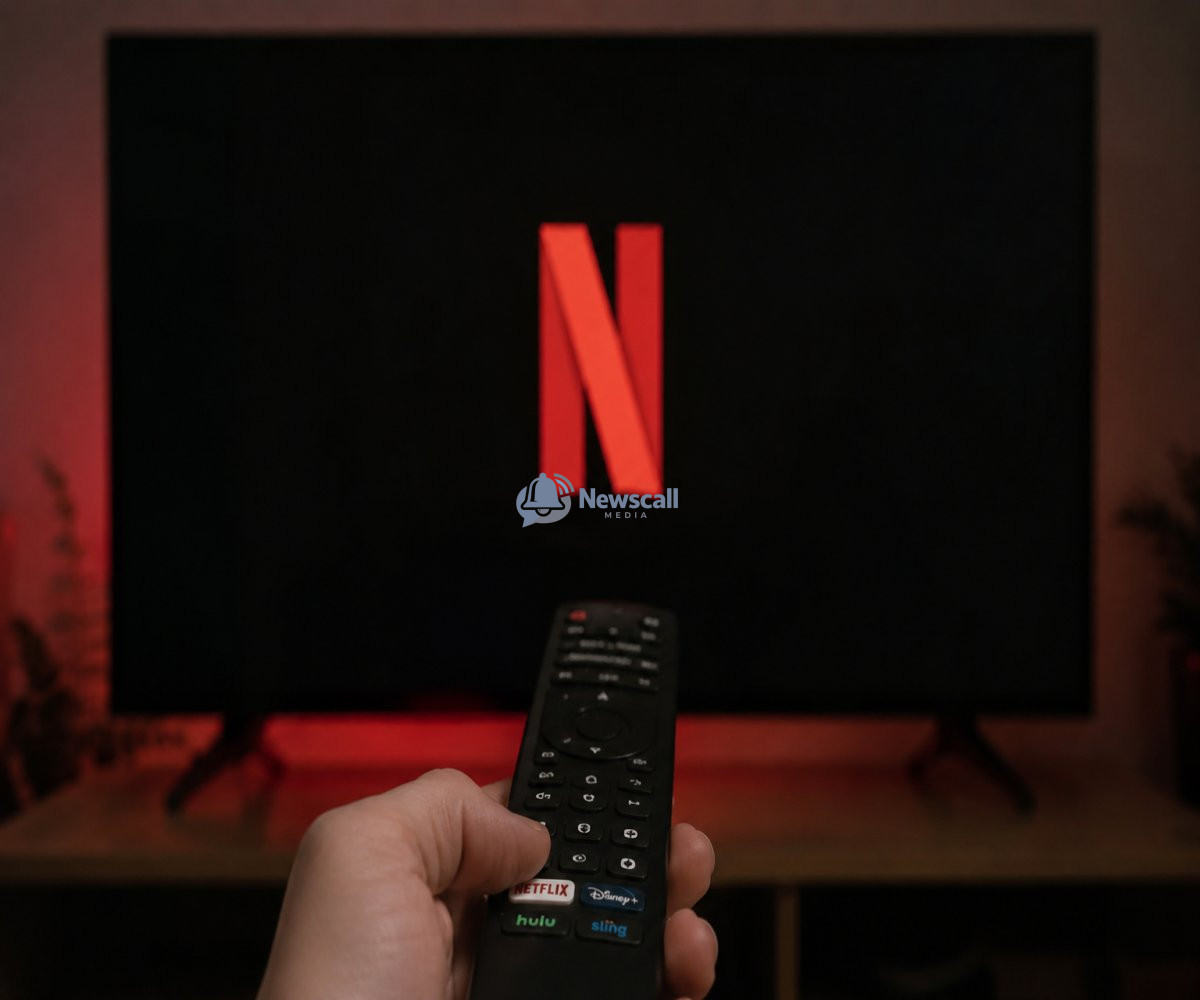
Watching movies once required patience.
People visited rental stores, waited for scheduled television broadcasts, or purchased physical DVDs to watch content at home. Entertainment depended heavily on location, timing, and physical media.
Then a small startup called Netflix began changing that experience quietly.
At first, Netflix looked simple.
The company originally mailed DVDs to customers instead of charging late fees like traditional rental businesses. But underneath that model was a startup thinking much bigger than movie rentals.
Netflix understood something many companies ignored:
Technology was about to completely reshape how people consume entertainment.
As internet speeds improved globally, Netflix began transitioning from physical delivery into digital streaming.
That decision transformed not only the company…
But the entertainment industry itself.
For the first time, millions of people could instantly access movies and television content directly from their devices without downloads, discs, or schedules.
Entertainment became immediate.
The shift seems normal today, but at the time it was revolutionary.
Netflix helped normalize:
- on-demand streaming
- binge watching
- personalized recommendations
- subscription entertainment
- algorithm-driven content discovery
The company fundamentally changed audience behavior worldwide.
People no longer waited for entertainment.
Entertainment became available instantly.
One of Netflix’s biggest advantages was not only its streaming technology.
It was data.
The platform studied:
- viewing habits
- watch time
- pauses
- preferences
- genre interests
- completion rates
This allowed Netflix to personalize recommendations heavily for individual users.
Over time, the company became as much a technology platform as an entertainment company.
Its algorithm quietly influenced what millions of people watched globally.
Netflix also changed how media companies thought about content itself.
Traditional television depended heavily on schedules and weekly releases.
Netflix pushed a different model:
- full-season releases
- global streaming launches
- platform-exclusive originals
- algorithm-informed production decisions
The company proved that internet platforms could compete directly with traditional entertainment giants.
The startup’s success triggered a massive industry shift.
Soon, companies like Disney, Amazon, and Apple aggressively entered streaming themselves.
An entire global streaming economy emerged around the model Netflix helped popularize.
But perhaps the most important part of Netflix’s story is how it combined technology with changing human behavior.
The company did not simply distribute movies differently.
It understood that people increasingly wanted:
- convenience
- personalization
- instant access
- control over their time
- entertainment without friction
Netflix succeeded because it built around those behaviors before much of the industry fully recognized them.
Today, streaming feels normal.
But behind that normal experience is one of the most influential startup transformations in modern internet history.
Netflix proved that startups capable of understanding behavior shifts early can eventually reshape entire industries.
And in many ways, the company did not just change movie streaming…
It changed how modern audiences experience entertainment itself.

Victor Oluebubechukwu Akuma.
Creative writer