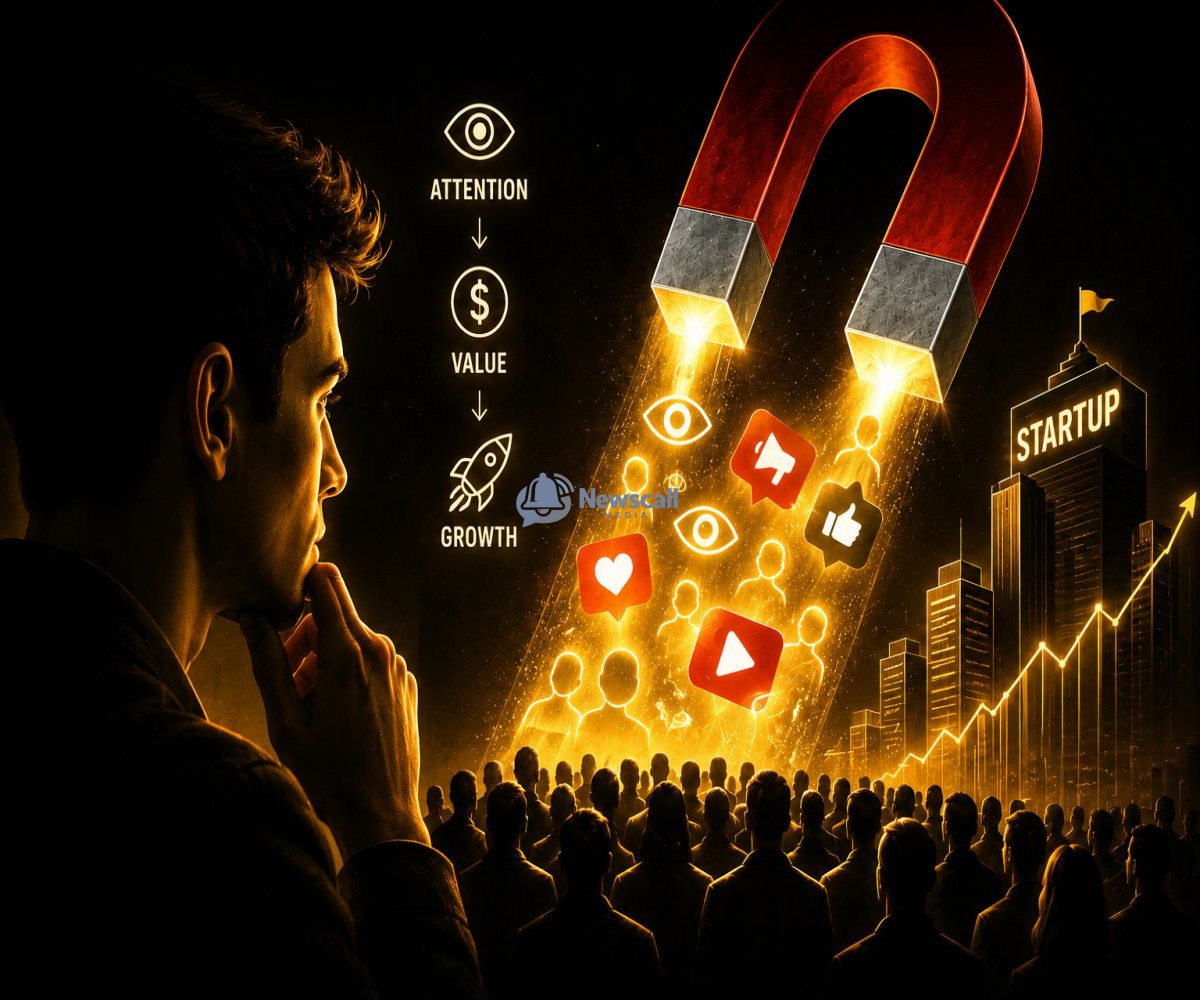


How Modern Startups Use Data to Predict Human Behavior
Modern startups no longer rely only on products.
Many now rely heavily on patterns.
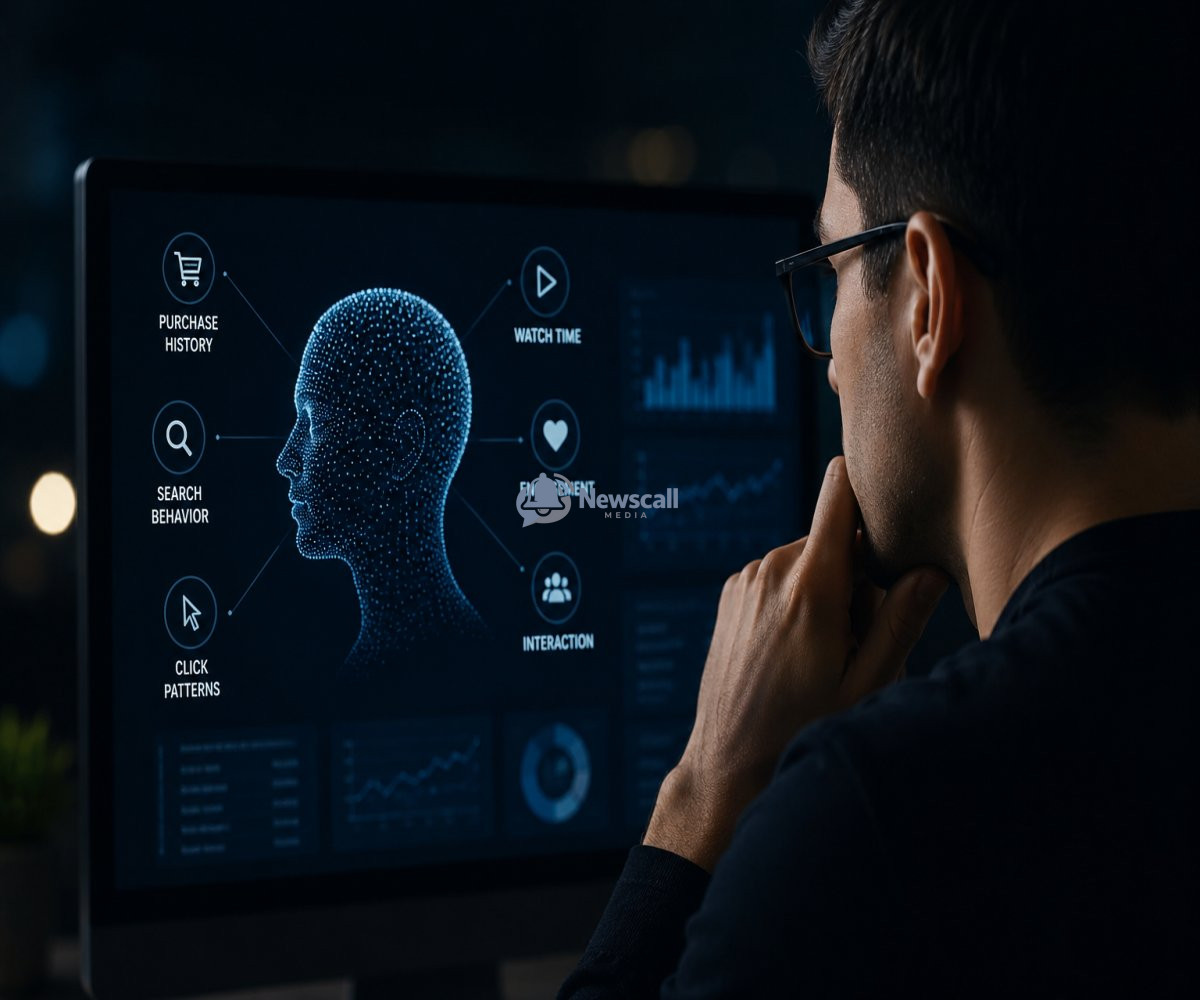
Every click, pause, swipe, search, purchase, and interaction online creates behavioral data. And across today’s technology industry, startups are increasingly using that data to understand — and sometimes predict — how people behave digitally.
This shift quietly transformed modern software.
Technology companies are no longer only building tools.
Many are building systems designed to study human behavior at scale.
Every day, digital platforms collect signals such as:
- viewing time
- scrolling habits
- search patterns
- purchasing decisions
- engagement frequency
- interaction behavior
Individually, these actions may seem small.
But at large scale, they reveal powerful behavioral trends.
Over time, startups use these patterns to improve products, personalize experiences, and predict what users may do next.
Recommendation systems are one of the clearest examples.
Platforms like TikTok, Netflix, and Spotify continuously analyze user behavior to determine:
- what people may watch
- what music they may enjoy
- what content keeps attention longer
- what users are likely to interact with next
The more users engage, the more these systems learn.
Modern startups also use behavioral data far beyond entertainment.
Fintech companies analyze transaction behavior to detect fraud.
E-commerce startups study browsing patterns to improve sales recommendations.
Productivity apps monitor usage habits to redesign interfaces more effectively.
Cybersecurity platforms track unusual activity patterns to identify threats automatically.
Data increasingly became the decision-making engine behind modern software.
This ability gives startups major competitive advantages.
Instead of making decisions based purely on assumptions, companies can now observe real user behavior directly and adjust products rapidly.
That speed allows startups to:
- personalize experiences faster
- improve engagement
- optimize platforms continuously
- predict user needs more accurately
In many cases, data became as valuable as the product itself.
But this shift also introduced difficult conversations.
As startups collect increasing amounts of behavioral information, concerns continue growing around:
- digital privacy
- data ownership
- algorithmic influence
- user manipulation
- psychological targeting
Many critics argue that modern platforms sometimes understand users more deeply than users understand themselves.
The broader transformation is that software increasingly adapts around human behavior automatically.
Apps today are no longer static products.
They evolve constantly based on how millions of people interact with them in real time.
And in many ways, some of the world’s fastest-growing startups are not simply technology companies anymore…
They are behavioral intelligence systems powered by data.

Victor Oluebubechukwu Akuma.
Creative writer