


How Moniepoint Became One of Africa's Biggest Fintech Success Stories
A decade ago, Moniepoint was largely unknown outside Nigeria's banking circles. Today, it stands as one of Africa's most influential fintech companies, processing trillions of naira in transactions and serving millions of businesses and individuals. Its rise is not just a startup success story; it is a case study in how solving a fundamental problem can create an industry giant.
Moniepoint began in 2015 under the name TeamApt, founded by Nigerian entrepreneur Tosin Eniolorunda. Rather than competing directly with banks, the company initially focused on building payment infrastructure and technology solutions for financial institutions. While many startups chased consumer attention, TeamApt quietly built the systems that powered banking operations behind the scenes.
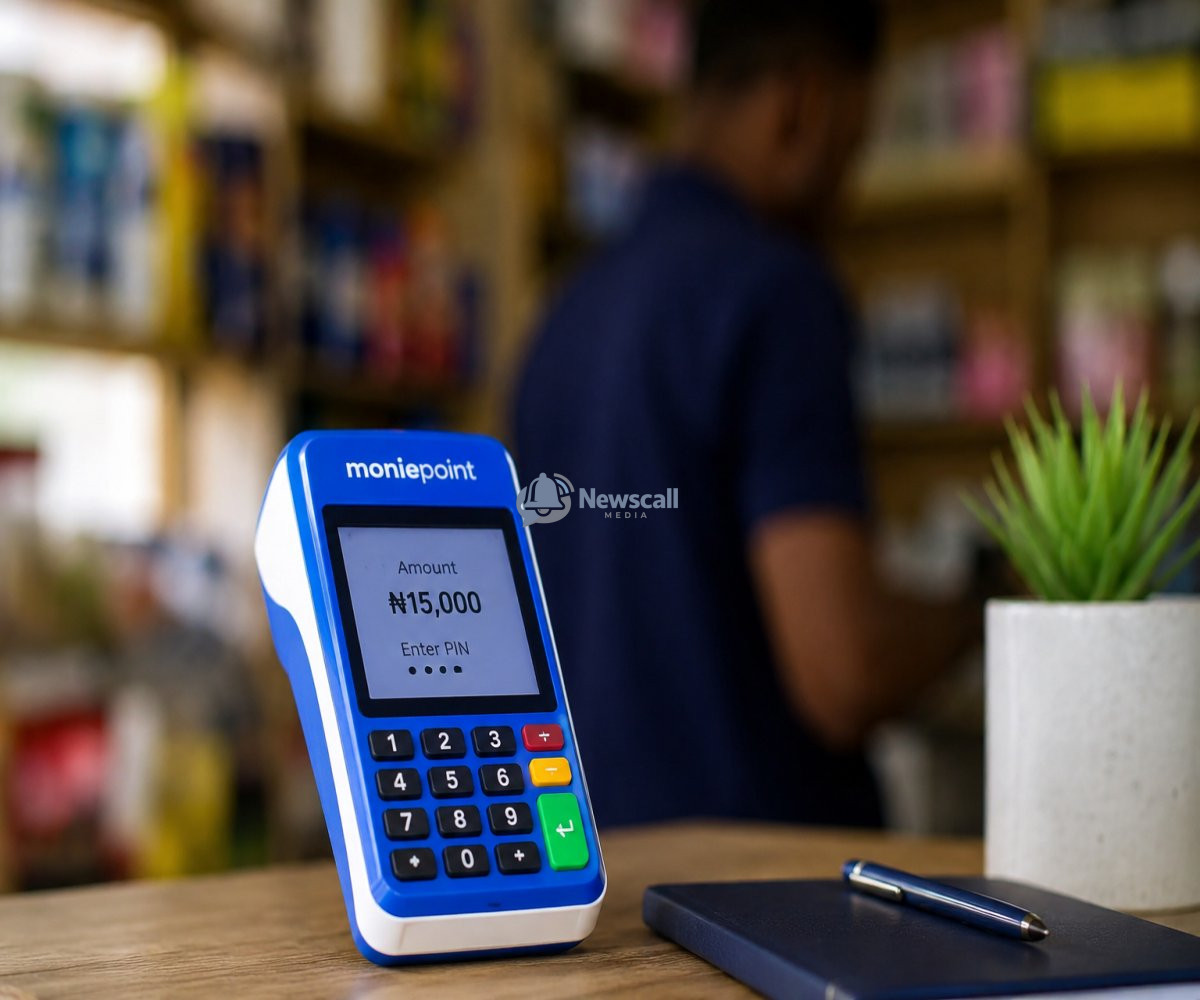
As digital payments gained momentum in Nigeria, the company recognized a larger opportunity. Millions of small businesses still lacked reliable financial services, payment tools, and access to credit. Moniepoint shifted its focus toward serving merchants and small enterprises, providing point-of-sale terminals, business banking services, and financial tools tailored to the realities of the African market.
This strategy proved transformative. Instead of targeting only urban consumers, Moniepoint built a vast network that reached traders, shop owners, supermarkets, and small businesses across the country. By focusing on the informal economy—one of the largest segments of Nigeria's economic activity—the company established itself as a critical part of everyday commerce.
The numbers illustrate the scale of this growth. In 2025 alone, Moniepoint processed more than 14 billion transactions worth over ₦412 trillion. The company reported serving more than 6 million businesses and over 16 million individual customers across Nigeria. According to its annual report, approximately eight out of every ten in-person payments in Nigeria were processed through its network.
Beyond payments, Moniepoint expanded into lending. Through its microfinance banking operations, the company disbursed more than ₦1 trillion in credit to small businesses in 2025. Access to financing enabled many merchants to increase inventory, expand operations, and improve cash flow, reinforcing Moniepoint's position as more than just a payments company.
Investor confidence followed. In 2024, Moniepoint raised $110 million from investors that included Google's Africa Investment Fund, Development Partners International, Lightrock, and Verod Capital. The funding pushed the company's valuation above $1 billion, officially granting it unicorn status—a milestone achieved by only a handful of African startups.
Today, Moniepoint is expanding beyond payments into a broader financial ecosystem. Its services now span business banking, consumer banking, credit, foreign exchange solutions, remittances, and business management tools. The company's vision is to become a comprehensive financial platform for businesses across Africa.
The growth of Moniepoint demonstrates an important lesson for entrepreneurs: some of the biggest opportunities lie not in creating entirely new markets but in improving essential services that millions of people rely on every day. By solving real problems for small businesses, Moniepoint transformed itself from a little-known infrastructure provider into one of Africa's most valuable technology companies.
As Africa's digital economy continues to expand, Moniepoint's journey may prove to be one of the continent's defining startup success stories.

Victor Oluebubechukwu Akuma.
Creative writer