


Materials That Could Change Engineering Forever
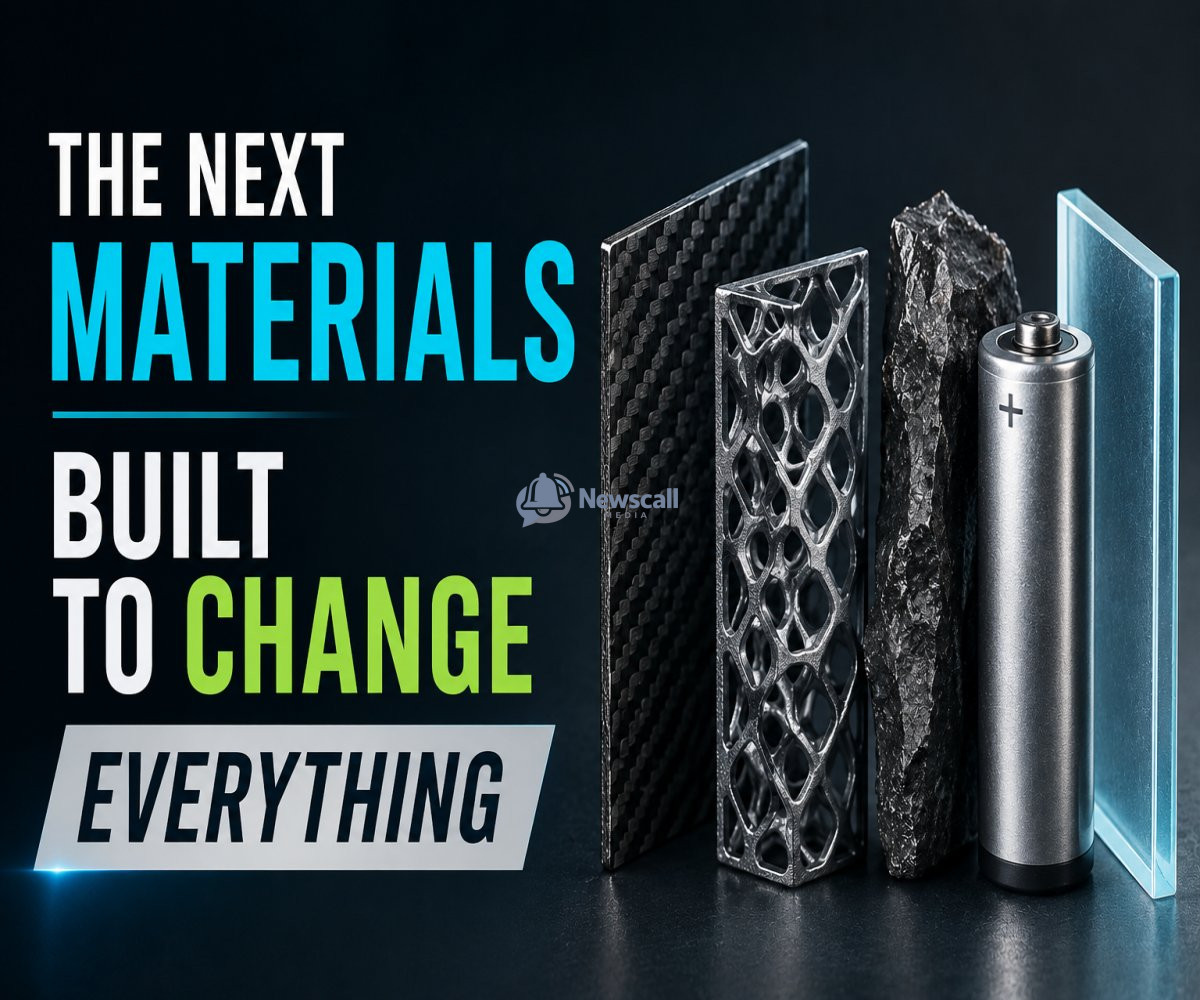
Throughout history, engineering breakthroughs have often been driven by a single factor: better materials. The Stone Age gave way to the Bronze Age. The Bronze Age yielded to iron. Steel transformed cities, transportation, and manufacturing. Silicon powered the digital revolution. Today, a new generation of materials is emerging, and many experts believe they could redefine what is possible in engineering.
Most people associate innovation with machines, software, or artificial intelligence. Yet behind nearly every technological advancement lies a material that made it possible. A stronger metal. A lighter composite. A more efficient semiconductor. A material capable of performing tasks that were once impossible. The future of engineering may depend less on what we build and more on what we build it with.
1. Advanced Composites
One of the most promising developments is the rise of advanced composites. These materials combine multiple substances to create structures that are lighter, stronger, and more durable than traditional materials. Modern aircraft already rely heavily on composites to reduce weight and improve fuel efficiency. As manufacturing techniques improve, these materials are finding their way into automobiles, infrastructure, renewable energy systems, and consumer products.
2. Graphene
Another material attracting significant attention is graphene. Often described as a wonder material, graphene consists of a single layer of carbon atoms arranged in a honeycomb pattern. Despite being incredibly thin, it is remarkably strong, lightweight, and conductive. Researchers envision applications ranging from faster electronics and flexible displays to advanced batteries and water filtration systems. Although large-scale adoption remains a challenge, graphene continues to demonstrate enormous potential.
3. Self-Healing Materials
Self-healing materials are also beginning to move from research laboratories into practical applications. Inspired by biological systems, these materials can repair certain types of damage automatically. Small cracks and fractures that would normally weaken a structure can sometimes be sealed without human intervention. Imagine bridges that repair minor damage on their own or aircraft components that recover from microscopic wear before it becomes a safety concern. Such technologies could significantly extend the lifespan of critical infrastructure.
4. Smart Materials
Engineering is also being transformed by smart materials. Unlike conventional materials, smart materials respond to changes in their environment. Some alter their shape when exposed to heat. Others change properties when subjected to pressure, electricity, or magnetic fields. These capabilities open the door to adaptive structures capable of responding to real-world conditions in real time. Buildings, vehicles, and medical devices may eventually adjust themselves automatically to improve performance, safety, or efficiency.
5. Next-Generation Energy Materials
The search for better energy solutions is driving innovation as well. Researchers are developing new battery materials designed to store more energy, charge faster, and operate more safely than current technologies. Solid-state batteries, advanced ceramics, and next-generation conductors could play a major role in powering future transportation systems and renewable energy networks.
6. Sustainable and Biodegradable Materials
At the same time, sustainability is becoming a priority. Engineers are increasingly exploring biodegradable materials, recyclable composites, and environmentally friendly alternatives to traditional manufacturing resources. The goal is not only to build stronger products but also to reduce environmental impact. This shift reflects a broader change in engineering philosophy. For decades, progress was measured primarily by performance. Today, performance, efficiency, durability, and sustainability must all work together. The materials of the future will need to meet multiple demands simultaneously.
Some of these innovations may take years to reach widespread adoption. Others are already beginning to appear in products and infrastructure around the world. History suggests that when new materials emerge, entire industries often evolve around them. Steel transformed construction. Silicon transformed computing. The next breakthrough material could reshape transportation, energy, healthcare, manufacturing, and technologies that have not yet been invented.
Engineering has always been about overcoming limitations. The materials now being developed may remove some of the biggest limitations humanity has ever faced. And when that happens, the future may be built with materials that today still seem impossible.

Victor Oluebubechukwu Akuma.
Creative writer