

The Cost of Refusing to Be Ordinary: Elon Musk's Relentless Journey
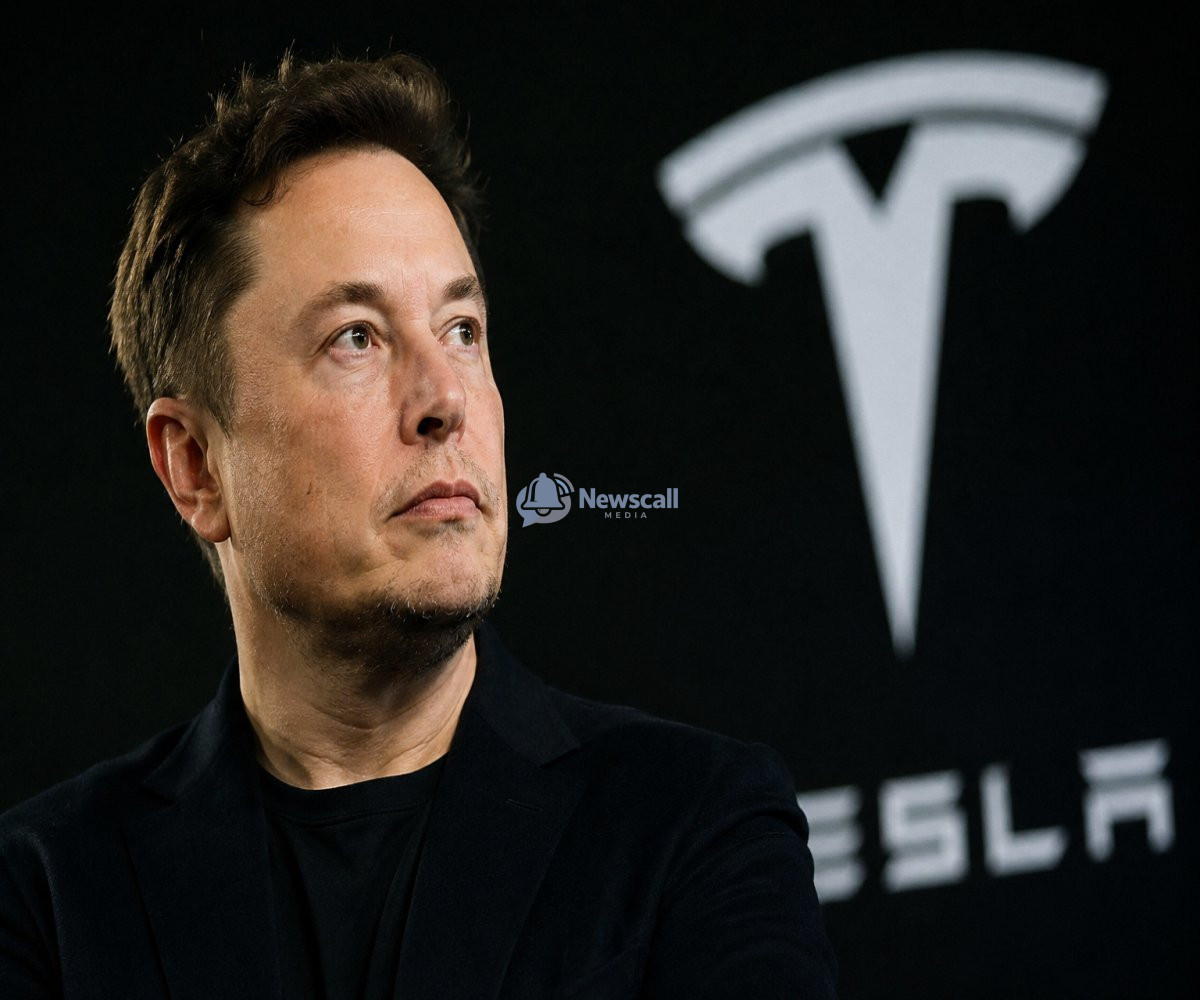
Long before Elon Musk became one of the most recognizable names in technology, he was simply a young man obsessed with possibilities.
He wasn't born into Silicon Valley. He didn't inherit a technology empire. He didn't follow a conventional path to success.
Instead, he developed a habit that would define the rest of his life: questioning limits.
While others accepted the world as it was, Musk became fascinated by what it could become.
That mindset would eventually lead him to build companies that challenged some of the world's largest industries. But before the headlines, before the rockets, before the electric vehicles and billion-dollar valuations, there was uncertainty.
A lot of it.
Success stories often create the illusion that greatness follows a straight line.
Reality rarely works that way.
Years before Tesla became the world's most valuable car company, many people believed the company would fail. Electric vehicles were considered impractical and unprofitable. Established automakers had little interest in pursuing them, and critics questioned whether consumers would ever embrace them on a large scale.
Tesla continued anyway.
Years before reusable rockets became a reality, many experts doubted that a private company could compete in the space industry. Rocket launches failed. Millions of dollars disappeared. Public confidence wavered.
SpaceX continued anyway.
This pattern would repeat throughout Musk's career.
When obstacles appeared, he rarely responded by lowering his ambitions. Instead, he doubled down on them.
To supporters, this persistence became a source of inspiration.
To critics, it often looked reckless.
Yet regardless of perspective, one thing became impossible to ignore: Musk was willing to pursue goals that others considered unrealistic.
That willingness came with a price.
Building companies at that scale demanded extraordinary sacrifices. Long working hours became routine. Public criticism became constant. Every setback unfolded in front of millions of people. Success increased visibility, but visibility also increased pressure.
Most people experience failure privately.
Innovators operating on a global stage do not have that luxury.
Every delayed product, failed launch, controversial statement, or missed target becomes international news.
The higher Musk climbed, the more intense the scrutiny became.
Yet his ambitions continued to expand.
Electric vehicles were only one chapter.
Space exploration became another.
Then came satellite internet, advanced manufacturing, artificial intelligence, and a growing collection of projects aimed at solving problems measured not in years, but in decades.
At a time when many entrepreneurs focus on maximizing short-term profits, Musk repeatedly placed long-term missions at the center of his efforts.
Some of those bets succeeded.
Others remain unfinished.
All of them required an unusual level of conviction.
Today, discussions surrounding Elon Musk often focus on numbers. His companies influence entire industries. His decisions move markets. His wealth has reached levels once thought impossible for a single individual, placing him in conversations about trillion-dollar fortunes and reshaping public perceptions of modern entrepreneurship.
But wealth alone does not explain his story.
Money is often the result.
The real story is the pursuit.
The endless willingness to challenge assumptions. The refusal to accept limitations simply because they have always existed. The determination to continue moving forward even when success is uncertain.
That is what separates ordinary journeys from extraordinary ones.
Whether history ultimately views Elon Musk as a visionary, a disruptor, or something in between, his career offers a lesson that extends beyond technology.
The future is rarely built by people who are comfortable with the present.
Progress often begins with individuals willing to take risks that others avoid, pursue ideas that others dismiss, and endure failures that others fear.
There is a cost to refusing to be ordinary.
It is measured in pressure, criticism, uncertainty, and sacrifice.
But for those determined enough to keep going, it can also reshape industries, inspire generations, and change the direction of the future itself.
Elon Musk's journey is proof of that.

Victor Oluebubechukwu Akuma.
Creative writer