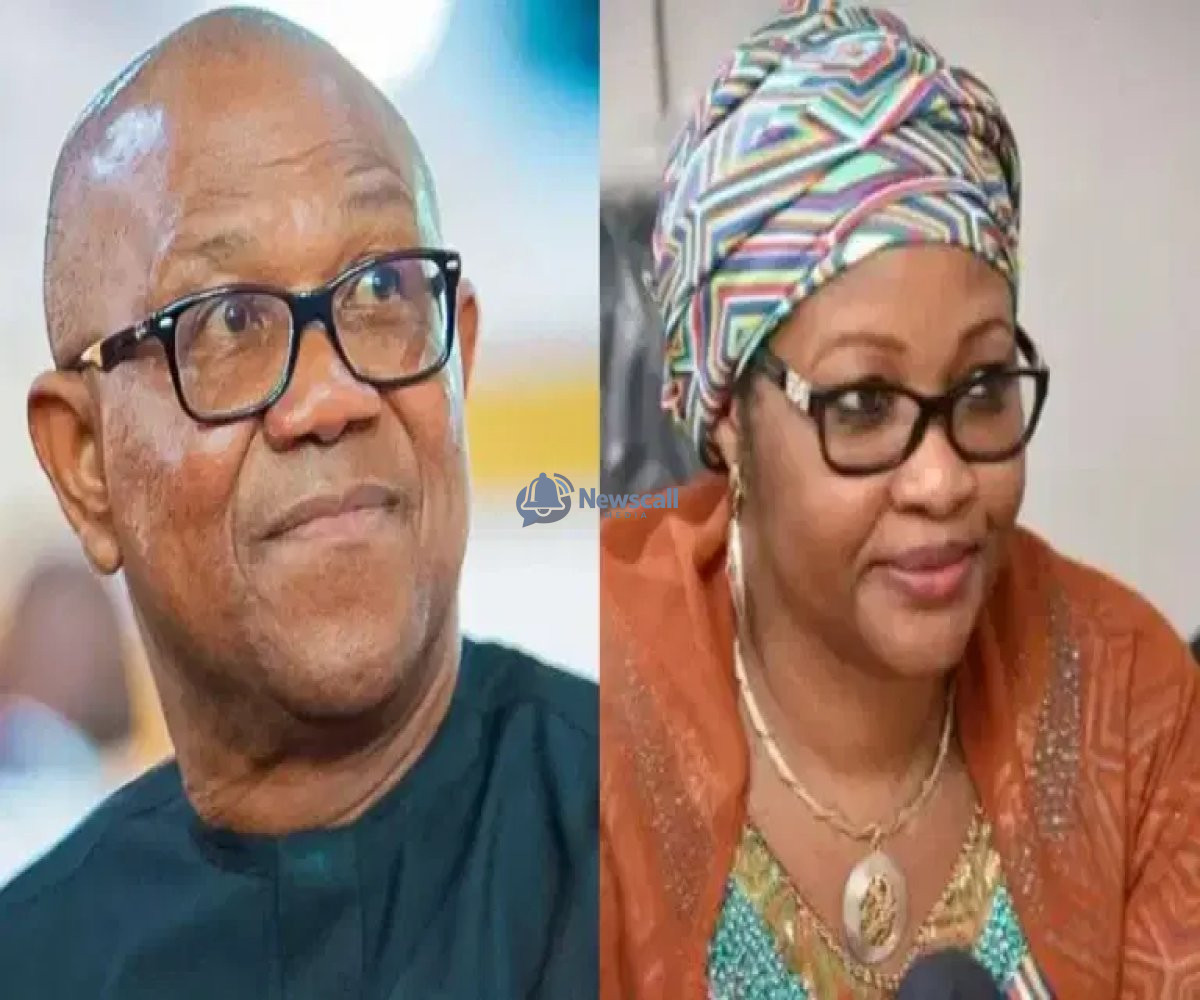


“New Nigeria Peoples Party Knocks Rabiu Kwankwaso, Denies External Influence in His Exit”
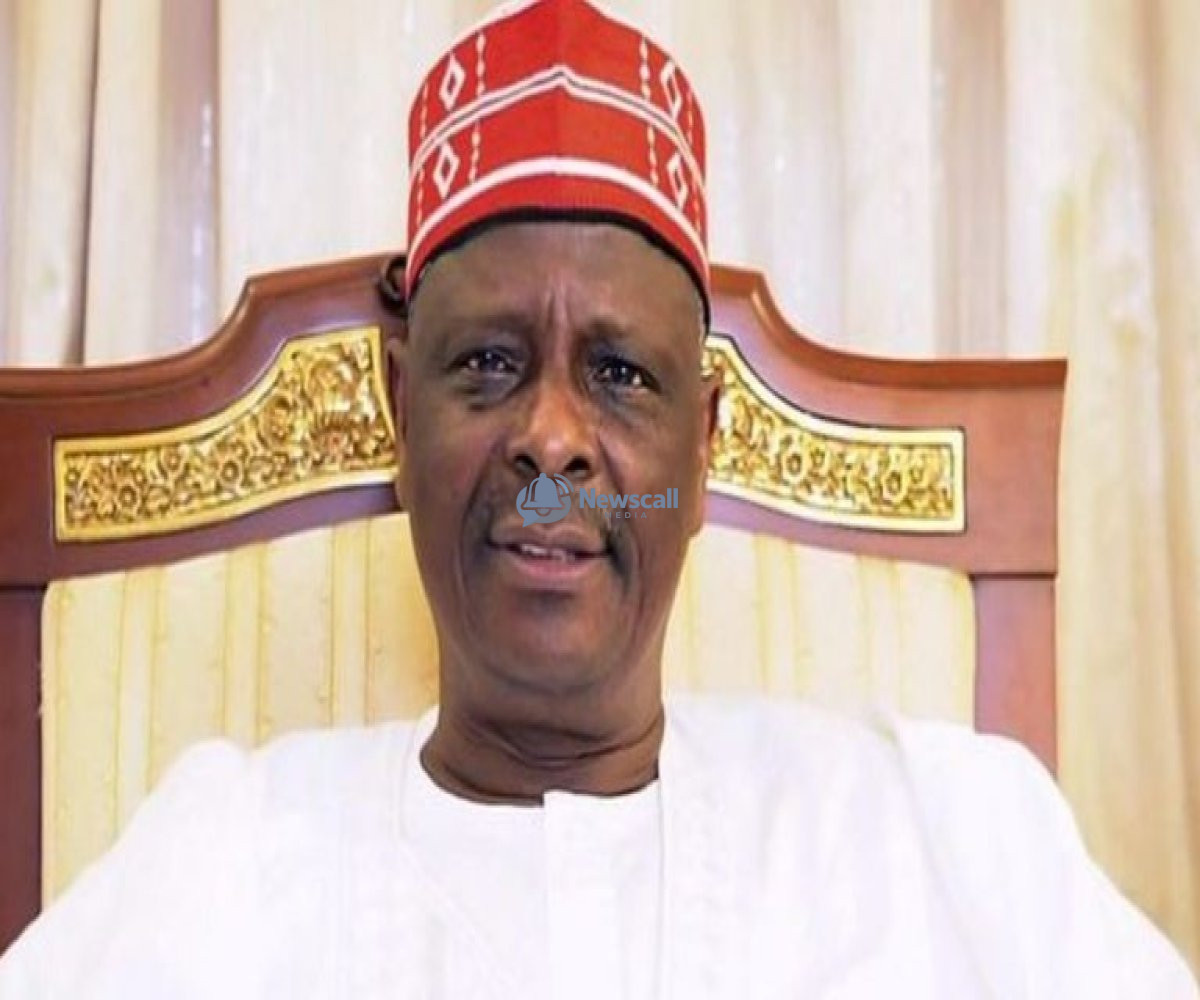
The New Nigeria Peoples Party (NNPP) has strongly pushed back against recent claims made by its 2023 presidential candidate, Rabiu Kwankwaso, who suggested that his departure from the party was the result of external interference and politically motivated legal challenges.
Kwankwaso, a former governor of Kano State, had earlier issued a statement addressing what he described as “misleading narratives” surrounding his political moves, particularly his disengagement from the African Democratic Congress (ADC). In that statement, he also referenced his earlier exit from the NNPP, drawing comparisons between the internal crises in both parties.
According to Kwankwaso, the challenges he faced within the NNPP were not organic but rather fueled by outside forces seeking to destabilize his political base. He argued that these pressures created an environment that made it increasingly difficult and ultimately unsafe for him and his allies to remain within the party.
“We left the NNPP due to externally influenced legal problems that made our stay perilous,” Kwankwaso stated. “The ADC has now also been forced into this difficulty,” he added, suggesting a broader pattern of interference affecting opposition political platforms.
However, the NNPP leadership has firmly rejected this narrative. In a detailed response issued on Sunday, the party’s founder, Boniface Aniebonam, dismissed Kwankwaso’s claims as inaccurate and self-serving. He argued that the former presidential candidate’s exit from the party was not the result of external manipulation but rather the consequence of internal power struggles initiated by Kwankwaso himself.
Aniebonam accused Kwankwaso, alongside key allies such as Elder Buba Galadima and Dr. Ahmed Ajuji, of attempting to take over the structure and leadership of a party they did not establish. According to him, this alleged attempt to “hijack” the NNPP was the root cause of the prolonged legal disputes and internal crises that eventually led to their expulsion.
“The exit of Kwankwaso and his associates was not influenced externally,” Aniebonam said. “It was driven by his intense fight to control the NNPP a party he did not register. Kwankwaso has always been his own problem.”
He further criticized what he described as a recurring pattern in Kwankwaso’s political conduct, alleging that the former minister has a tendency to deflect responsibility and blame external forces for issues arising from his own actions.
Aniebonam also linked Kwankwaso’s leadership style to political setbacks within the party, including the reported defection of Kano State Governor Abba Yusuf to the All Progressives Congress (APC). He suggested that internal mismanagement and lack of cohesion under Kwankwaso’s influence contributed to the weakening of the party’s structure in Kano, once considered a stronghold.
Addressing the legal battles that followed, Aniebonam emphasized that the expulsion of Kwankwaso and Galadima from the NNPP was upheld by the courts, thereby reinforcing the legitimacy of the party’s actions.
“A man who, without hesitation, betrayed the trust of a friend who offered him a free platform to contest the 2023 presidential election cannot now turn around to claim external influence,” he said. “Such insinuations are not only misleading but also inappropriate.”
The NNPP founder went on to warn other political parties, particularly the ADC, to be cautious in their dealings with Kwankwaso, suggesting that similar patterns of internal conflict could emerge.
“We warned the ADC,” he stated. “Kwankwaso may still repeat the same actions in any party he joins. He should move on instead of making baseless accusations against perceived enemies.”
Aniebonam also questioned the logic behind Kwankwaso’s claims, asking whether external forces were responsible for his alleged attempts to seize control of the party’s structure, including its identity and governance framework.
He revealed that the relationship between the NNPP and the Kwankwasiyya Movement was governed by a formal Memorandum of Association ahead of the 2023 general elections. This agreement, he explained, allowed Kwankwaso and his supporters to use the party’s platform to contest elections at no financial cost.
Despite this opportunity, Aniebonam noted that Kwankwaso finished a distant fourth in the presidential race, behind Bola Tinubu, Atiku Abubakar, and Peter Obi. However, he acknowledged that members of the Kwankwasiyya Movement secured key victories in Kano State, including the governorship and several other elective positions.
According to Aniebonam, rather than consolidating these gains, Kwankwaso allegedly mismanaged the success, leading to internal divisions and a wave of defections to the APC.
He further accused Kwankwaso of engaging in what he described as the “worst misconduct” against the party unilaterally altering the NNPP’s official logo, color scheme, and constitutional provisions without the consent of its founding members.
“The illegal conversion of the party’s identity and the mutilation of its constitution were done without approval,” Aniebonam said. “Was that also externally influenced?” he queried.
In conclusion, the NNPP leadership maintains that the crises associated with Kwankwaso’s tenure within the party were self-inflicted and not the result of outside interference. The party insists that its actions, including the expulsion of Kwankwaso and his allies, were necessary steps to preserve its integrity and organizational structure.
Anozie Chiemerie Emmanuel
Writer