


Philippine Volcano Ashfall Affects Nearly 200,000, Forces Thousands to Flee
Philippine Volcano Ashfall Affects Nearly 200,000, Forces Thousands to Flee
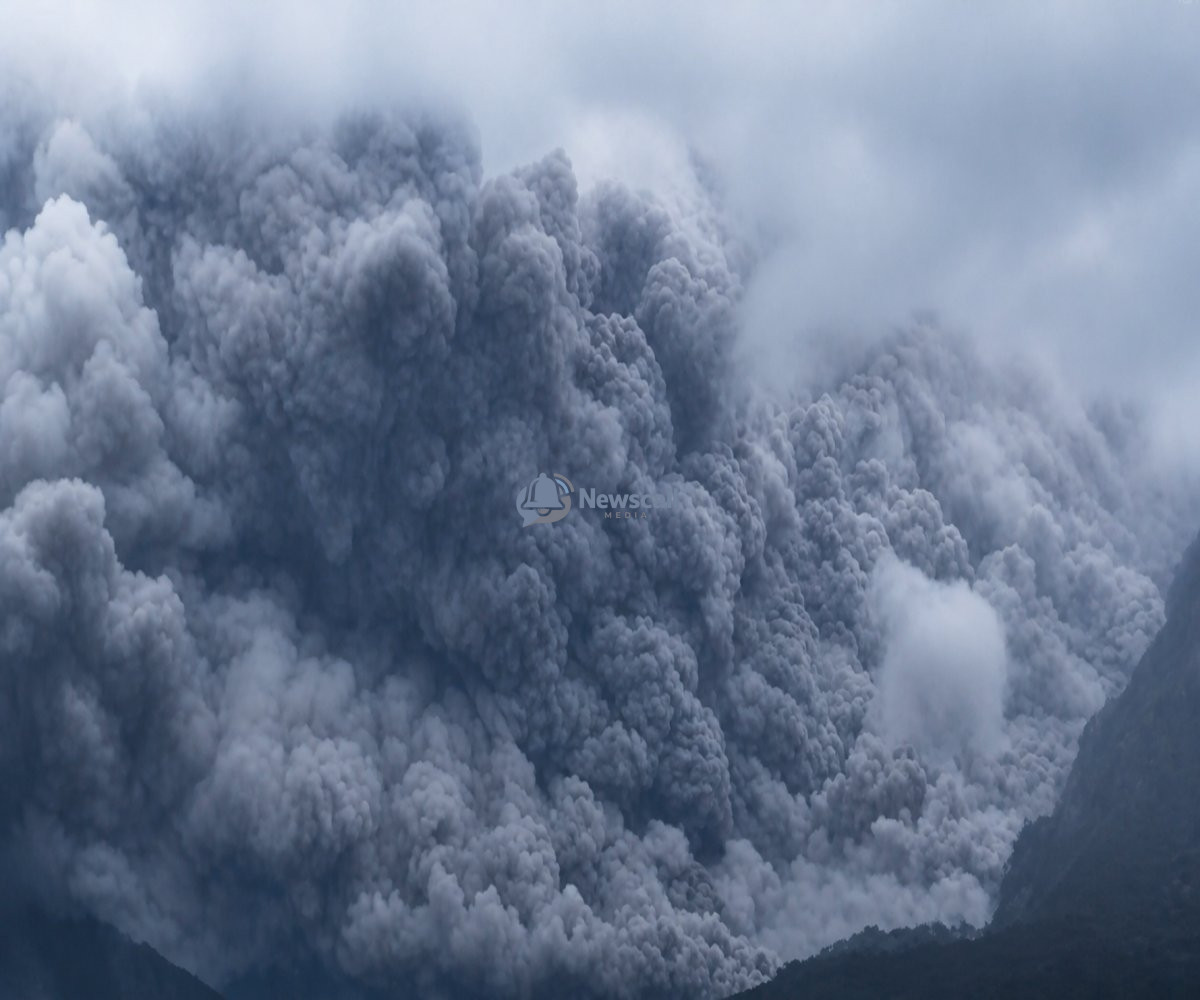
A major ashfall event from Mayon Volcano in the northeastern Philippines has disrupted life across dozens of communities, affecting nearly 200,000 people and forcing more than 5,400 residents to evacuate. The incident occurred over the weekend when large deposits of lava collapsed from the volcano’s slopes, triggering a dangerous flow of ash, gas, and debris.
According to the Philippine Institute of Volcanology and Seismology (PHIVOLCS), the event was not an explosive eruption but a pyroclastic flow—a fast-moving current of hot ash, rocks, and gas. This occurred on Saturday evening after unstable जमा lava deposits on the volcano’s southwestern slope gave way.
PHIVOLCS Director Teresito Bacolcol explained that the volcano has been showing mild eruptive activity intermittently since January. However, the sudden collapse intensified the hazard level locally, producing thick ash clouds that spread across a wide area.
The ashfall blanketed at least 124 villages, primarily in Albay province, severely reducing visibility and disrupting transportation. In some areas, drivers reported near-zero visibility on major roads.
Caloy Baldo, mayor of Camalig town near the volcano’s base, described the situation:
“The ashfall was just so thick and there was zero visibility even on our national road. Some villagers panicked but we advised them to stay calm.”
The Department of Social Welfare and Development reported that 199,367 people were affected overall. Of these, more than 5,450 residents were displaced and relocated to emergency shelters in Camalig, Malilipot, and the cities of Ligao and Tabaco.
While no deaths or injuries were recorded, the ashfall caused economic and environmental damage. Vegetable farms in affected areas were heavily impacted, and several livestock deaths—including four water buffaloes and one cow—were reported in Camalig. Cleanup operations are ongoing, particularly in smaller communities where ash accumulation is thickest.
Mayon Volcano is one of the Philippines’ most active volcanoes and is closely monitored due to its history of eruptions. Its near-perfect cone shape makes it visually iconic, but it also poses persistent risks to nearby populations.
The Philippines sits along the Pacific Ring of Fire, a region known for intense seismic and volcanic activity. This geographic reality exposes the country to frequent natural hazards, including earthquakes, typhoons, and volcanic eruptions. Events like this highlight the importance of early warning systems, disaster preparedness, and rapid response coordination.
Although this incident did not escalate into a full eruption, pyroclastic flows are among the most dangerous volcanic hazards. They can travel at high speeds and reach extreme temperatures, making them potentially deadly. The absence of casualties in this case suggests that monitoring systems and local response measures were effective.
However, the widespread ashfall demonstrates how even non-explosive volcanic activity can disrupt livelihoods, damage agriculture, and strain local infrastructure. For rural communities dependent on farming, such disruptions can have lasting economic consequences.
The recent ashfall from Mayon Volcano underscores the ongoing risks faced by communities living near active volcanoes in the Philippines. While no lives were lost, the scale of displacement and damage highlights the need for continued vigilance and preparedness. Authorities remain on alert as volcanic activity persists, with efforts focused on ensuring public safety, supporting affected residents, and mitigating further impact.

Nwekwe Esther Amarachukwu
Public speaker,Research-driven writer covering politics and public affairs, committed to accuracy, and meaningful public discourse.