

Senate Urges FG to End Amnesty for Repentant Boko Haram Members
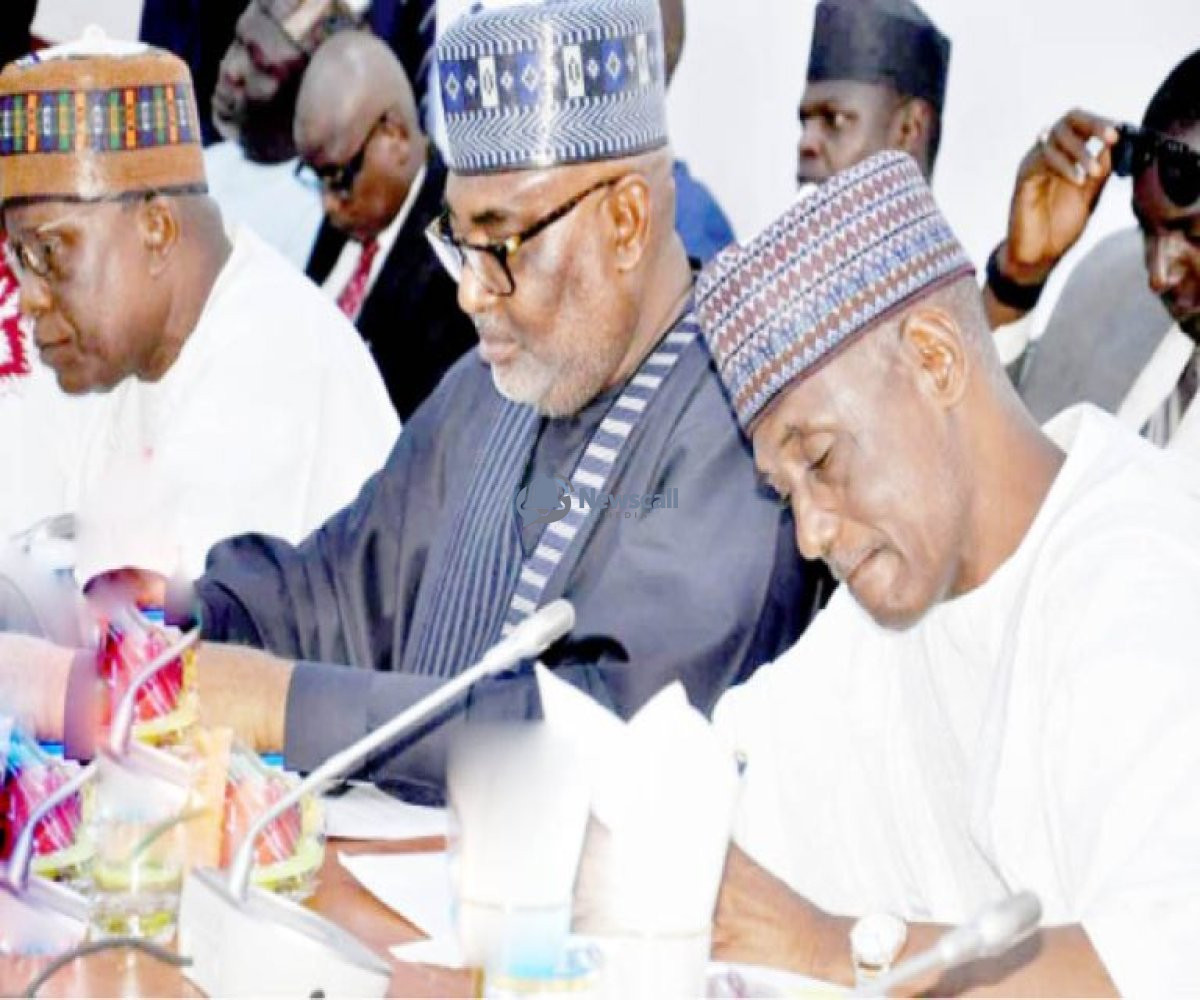
Senate Urges FG to End Amnesty for Repentant Boko Haram Members
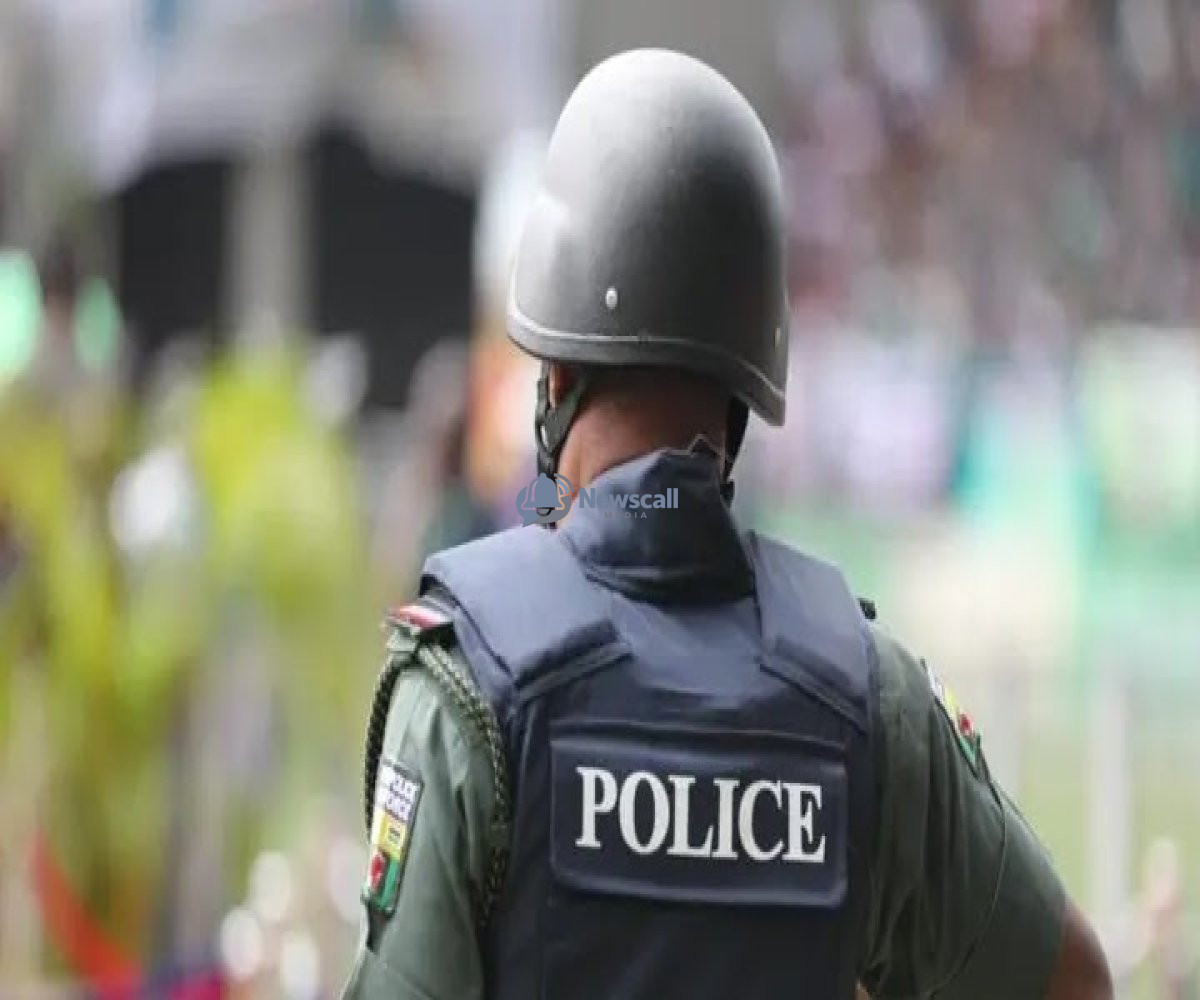
The Senate has called on the Federal Government to discontinue the rehabilitation and reintegration of repentant Boko Haram members, bandits, kidnappers and other violent criminals, arguing that the policy has failed to curb Nigeria's worsening insecurity.
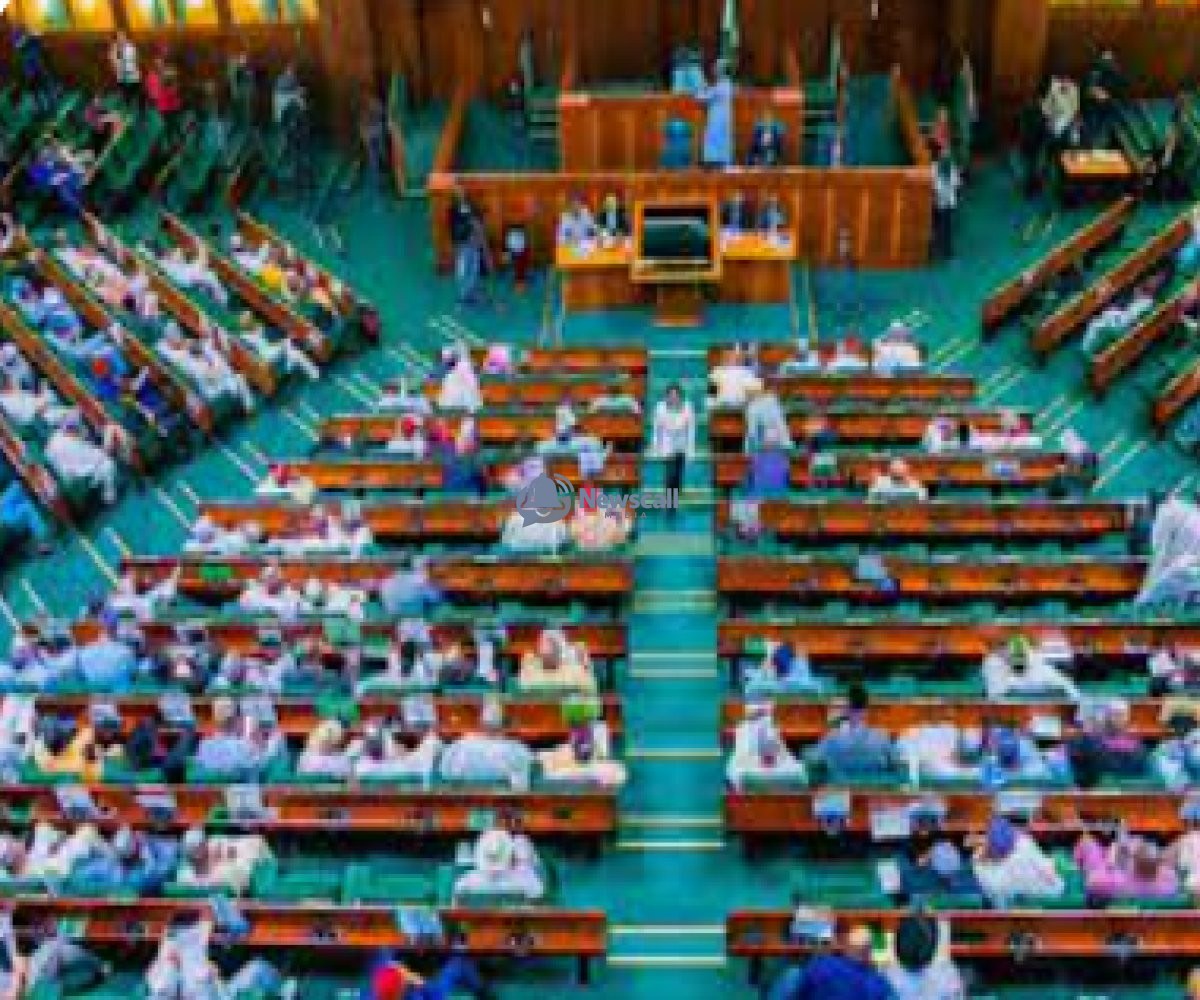
The resolution followed a motion sponsored by Senator Abdulaziz Yar'Adua, Chairman of the Senate Committee on Army, during Tuesday's plenary. The motion was prompted by the recent abduction and killing of retired military officers, including former Director of Defence Information, Major General Rabe Abubakar (retd).
Lawmakers expressed concern over what they described as a growing pattern of attacks targeting serving and retired military personnel. They cited the killings of Major General Richard Duru (retd) in Imo and Brigadier General O.M. Harlord Udokwere (retd) in Abuja, alongside the prolonged abduction of former NYSC Director-General, Brigadier General Maharazu Tsiga (retd), and the death of retired Major Aja while in captivity in Kogi State.
According to the Senate, the attacks represent a serious national security threat, particularly because many of the victims previously held strategic intelligence and command positions.
The upper chamber observed a minute's silence in honour of the late Major General Abubakar and all victims of terrorism, banditry and kidnapping nationwide.
The Senate further urged security agencies to strengthen intelligence gathering, improve surveillance and early warning systems, accelerate the deployment of modern security technology and ensure perpetrators of violent crimes are arrested and prosecuted.
Operation Safe Corridor Under Fresh Scrutiny
The Senate's resolution effectively rejects the Federal Government's Operation Safe Corridor, a deradicalisation programme launched in 2016 to rehabilitate and reintegrate Boko Haram fighters who voluntarily surrendered.
The initiative, built around disarmament, demobilisation, deradicalisation, rehabilitation and reintegration, has processed thousands of former insurgents, particularly in the North-East. However, concerns have persisted over reports that some rehabilitated individuals returned to violent activities, fuelling criticism of the programme.
Security Expert Warns Against Scrapping Programme
Security analyst and Associate Professor at the University of Namibia, Dr. Babayo Sule, disagreed with the Senate's position, describing the proposed suspension as counterproductive.
He argued that deradicalisation remains a globally recognised counter-insurgency strategy adopted only after military operations alone proved insufficient.
While acknowledging shortcomings in the programme's implementation, Sule maintained that reforms—not abolition—would produce better results. He called on the Senate to investigate operational gaps, strengthen oversight and provide security agencies with the resources needed to tackle insurgency effectively.
According to him, there is no credible evidence linking the rehabilitation programme to the resurgence of insecurity. Instead, he blamed persistent violence on weak security infrastructure, inadequate logistics, corruption and poor implementation of security policies.
Sule warned that abandoning the programme without a viable alternative could further deepen Nigeria's security crisis.

Nwekwe Esther Amarachukwu
Public speaker,Research-driven writer covering politics and public affairs, committed to accuracy, and meaningful public discourse.