

Starving the watchdog: Welfare crisis driving ethical compromises in Nigerian newsrooms
For decades, journalism stood as society’s watchdog, holding power to account and amplifying the voices of the voiceless. Today, however, many Nigerian journalists are fighting a different battle — one against unpaid salaries, poor welfare and economic hardship. DIRISU YAKUBU examines the growing welfare crisis in the media industry and its implications for journalism, accountability and democracy
The economy is bleeding, and so are the sectors that sustain it. From energy and agriculture to education and commerce, businesses are struggling to stay afloat as managers adopt aggressive cost-cutting measures to survive. For years, this has been the Nigerian story, driving many citizens to seek opportunities abroad in what has become popularly known as the “japa” phenomenon.
Few sectors, however, have been hit as hard as the media. Across print, broadcast and digital platforms, many organisations are struggling to meet even their most basic obligations to employees. With advertising revenues shrinking and copy sales declining, several media houses have found themselves gasping for breath, leaving journalists to navigate difficult ethical and professional dilemmas.
At the heart of journalism lies a code of ethics designed to safeguard professionalism and public trust. Principles such as editorial independence, fairness, accuracy, respect for privacy, public interest and resistance to undue gratification are intended to preserve the integrity of the profession and enable it to fulfil its constitutional role as society’s watchdog under Sections 22 and 39 of the 1999 Constitution (as amended).
But what happens when journalists go months—or even years—without salaries and allowances? How do they provide food, shelter and other necessities for themselves and their families? More importantly, how easy is it for a journalist to remain objective and resist inducement when financial survival is at stake?
Jane (not real name), who covers the Senate and the Ministry of Police Affairs, knows this dilemma all too well. Employed in September 2023, she accepted the job despite knowing the organisation’s financial challenges.
“I replaced a colleague who got tired of working without pay and relocated to the East on the advice of her brother,” she recalled. “After my interview, I was told the television station was doing everything possible to begin paying salaries, even though my employment letter clearly outlined my monthly earnings. I was asked to go out and do my best. Almost three years later, there is still no salary. You can’t even complain because the people you are supposed to complain to are not being paid either.”
Asked how she copes with the ethical pressures associated with the job, Jane responded with a laugh.
“I sell clothing materials as a side business. I try as much as possible to avoid libelous reports, but I don’t reject money given to me by event organisers. It would be difficult to do so because survival is the first rule—not just on the battlefield, but also in journalism,” she said.
Like Jane, Ibrahim works for a once-thriving national newspaper that has since become a shadow of its former self. According to him, the organisation still hires reporters despite having little prospect of paying salaries.
Speaking about life as an unpaid journalist, he painted a grim picture.
“Nobody, including the employers, seems interested in these so-called ethics,” he said. “They make money for themselves and the owners while we do the work. As long as we avoid litigation, everyone is satisfied. I left a teaching job for journalism because I love writing. Ironically, despite not earning a salary, journalism has turned out to be more rewarding financially.”
He believes the problem reflects a broader culture of corruption in society.
“Everyone knows what is happening, but nobody seems bothered. Its part of the systemic corruption that now exists everywhere, even in places of worship. Some religious leaders target wealthy worshippers and make false claims just to extort money from them. That is the dilemma we face as a society,” he added.
When asked how working without pay could be more rewarding than a modest but regular salary, Ibrahim explained that the profession provides other means of survival.
“You attend events and receive stipends that cover transport and sometimes feeding. There are also occasions when you work from home by processing press statements and hoping they get published. When these opportunities come regularly, it becomes difficult to return to teaching.”
For Anslem, a broadcast journalist with a private radio station in the Federal Capital Territory, the situation is only marginally better. He earns N78,000 monthly—an amount he says is barely enough to cover transportation to work.
“I am seriously thinking of quitting,” he started, shaking his head intermittently in frustration. “What do you make of a job that fetches you insults daily despite the low pay? I do other things to support myself because I know relying on one source of income with nothing coming in can be frustrating. I’ve noticed that journalists who are either underpaid or not paid at all resort to picking bad angles of stories and exaggerating them to extort money from people.
“I was once offered money to pick an angle the newsmaker wanted, and even though it wasn’t the strongest of the angles, I obliged. I got twice my salary for doing just that, and till date, that was one of the sweetest days I witnessed as a journalist.”
In this gloomy prospect of an uncertain future for the profession, Anslem appears to blame the shame on the system rather than the media managers.
“This happens everywhere, including banking, marketing, and what have you. We are only searching for ourselves because we are the conscience of the society, but the same society mocks (journalists) all the time. They see us as beggars and laugh at us to our faces. Whatever it takes for us to leave a fairly good life, we must do it because journalists are first and foremost human beings,” he added.
It’s a shameful trend – Stakeholders
For stakeholders across the country, it is worrisome for journalists not to be burdened by ethical considerations regardless of the circumstances. That said, they called on media houses to respect the contractual terms spelt out in the employment letters handed over to journalists and save the profession from needless bashing.
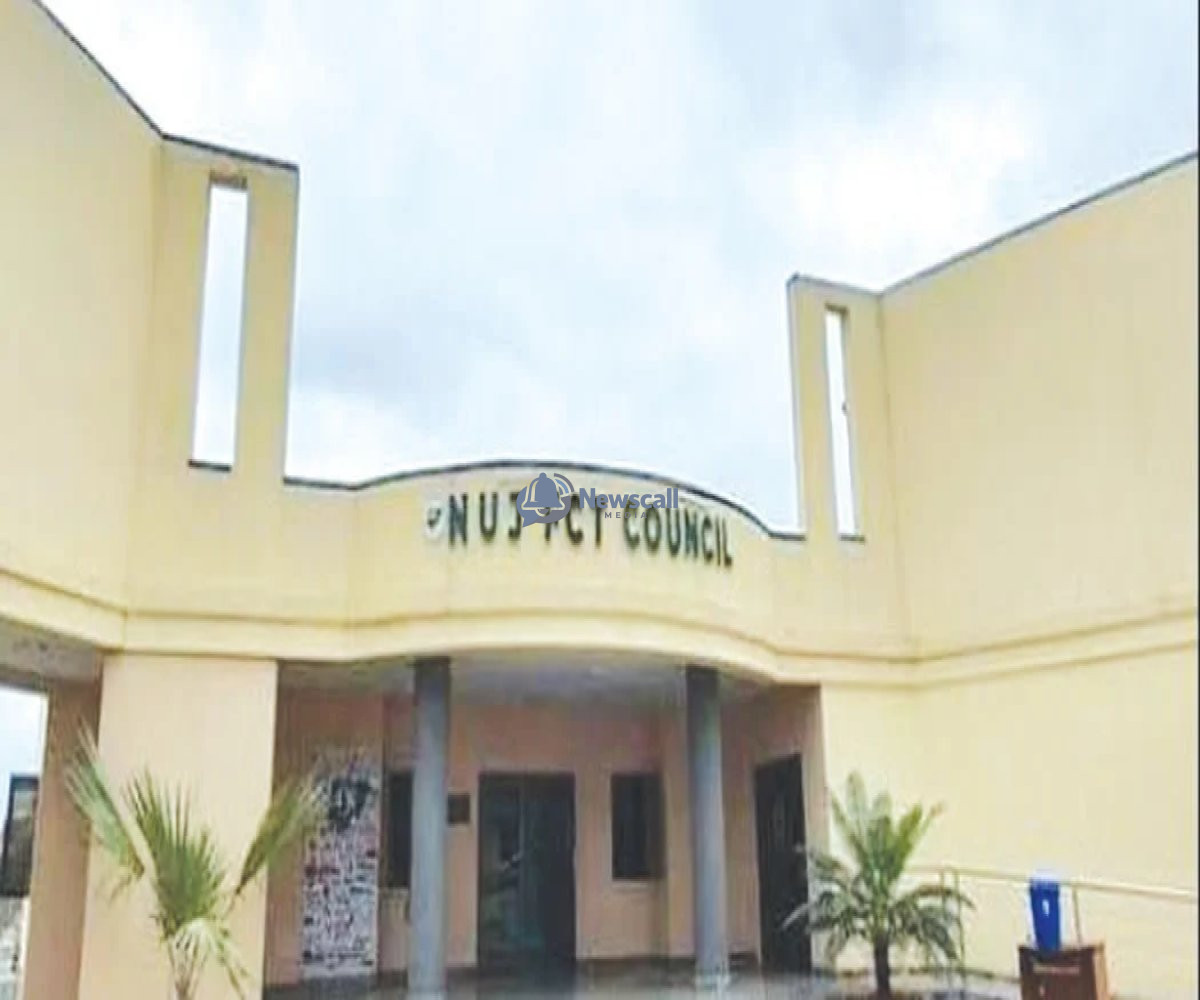
NEWSCALL report, that the Chairman of the Nigeria Union of Journalists, Federal Capital Territory, Grace Ike, lamented the poor remuneration of journalists and called on employers to protect the image of the profession without further delay.
She said, “The Nigeria Union of Journalists FCT Council firmly condemns the practice of media houses paying little or no salaries to journalists, viewing it as a direct driver of ethical breaches that undermine the profession’s integrity.
“Over the years, this practice has forced reporters into compromising situations such as gratifications, undue influence, and what many refer to as “brown envelopes.” When this happens, it kills core principles like fairness, objectivity, balance and by extension, affects responsible journalism.
“Today, we witness unbalanced reports, sensationalism, and biased coverage, not because of inherent flaws in journalists, but because of systemic exploitation by profit driven outlets that prioritise revenue over welfare. This is a national shame that tarnishes Nigeria’s media landscape and public trust.”
Ike, however, reminded media owners and practitioners, particularly those operating in the FCT, of the imperative of safeguarding the image of the profession, saying, “The NUJ FCT stands resolute and has zero tolerance for any form of undue influence. No ethical journalism can thrive on poverty. Media owners must pay living wages as stipulated by the National Minimum Wage Act.
“For us to get this right and reposition the sector, we must reverse this trend. To restore dignity and professionalism, we enforce welfare standards. The National Secretariat, under the supervision of the President, Comrade Alhassan, will continue to intensify advocacy for mandatory salary audits, partnering with regulatory bodies like the Nigerian Press Council to sanction non compliant media houses.
“There’s a need for continuous building. As part of the Council’s core responsibility in promoting ethical journalism, the NUJ FCT Council has initiated training programmes on ethics, digital verification, and alternative revenue models to empower journalists against inducements.”
The NUJ boss also advocated collective bargaining, calling for a “push for union negotiated minimum pay scales, health insurance, and pensions, building on recent FCT initiatives such as our health partnership drives.”
She further called for public accountability, including “exposing unethical outlets through NUJ FCT platforms and collaborating with civil society on boycotts or legal actions where ethical breaches occur.”
The NUJ national secretariat, she added, is championing a Remuneration Bill for Practising Journalists, a document that would be made public at the appropriate time.
“This is a bill that, if passed, will define, standardise, and regulate how much and in what form journalists are remunerated, and may also cover matters such as minimum wage, increments, allowances, and sometimes welfare packages. It will go a long way toward reducing the issue of gratification.
“I will conclude by reiterating the need for the creation of a Media Bailout Fund to rescue struggling independent media houses and protect jobs and editorial independence,” she stressed.
Also speaking is the media aide to the Cross River State Governor, Bassey Out, Mr Emmanuel Ogbeche.
Until his appointment, Ogbeche chaired the NUJ FCT Council and edited the Abuja Inquirer, an FCT-based newspaper.
In an interview, Ogbeche lamented the poor environment faced by media practitioners in the country, calling for an urgent intervention to reverse the trend.
“Journalism isn’t just faced with the government’s overbearing attempt to muzzle the press like in the new NBC’s vague directive to broadcasters, but in the very abysmal working conditions most journalists in Nigeria are subjected to. This ranges from little or no salaries, lack of working tools, no capacity training and the expectation to deliver.
“What we have seen is bucket journalism, press conference reporting and ethical compromises. But for very few media houses, journalism is in serious decline, and there is an urgency to remedy it from losing its intrinsic value of demanding accountability, informing and entertaining,” he said.
According to him, “A compromised journalist is a danger to the society. Such an individual is no different from a coup plotter because how can he hold power to account? How can he inform without the corrupting influence of those who have compromised him? To cure the mischief is to first begin with induction. Why are you a journalist? Do you subscribe to the ethical demands? Do you see yourself as a moral arbiter in a society that is in conflict with the common good? When these questions are settled, then there is the phase of continuous capacity building and providing an environment that discourages truth-selling.”
He called on media owners to think outside the box, urging them to “be creative in resource generation to meet the welfare of their reporters and other media workers. One is to leverage social media payment models, invest in conferences and training, book publishing, and membership subscriptions,” stressing that “journalism is too serious a matter to be left to political and economic influences that seek to make truth a casualty while benefiting from the overarching influence of the media.”
Joining the conversation is the Assistant Editor, Agric/Solid Minerals Desk at Businessday Newspaper, Ms Ruth Tene, who called on media employers unable to pay salaries of their staff to close shop and explore other business ventures.
“This has become a worrisome situation, and there is no doubt that many are simply trying to survive. Media houses that do not pay should be shut down and not be allowed to continue to benefit from the sweat of workers. This shameful practice gives room not just for ethical compromise but also runs down the profession. I subscribe to a bill proposing the shutting down of such houses, barring such owners from venturing into media ownership,” she added.
‘Poor remuneration triggers inducement’
Mr Emmanuel Cousin is a veteran of the NUJ National Secretariat and a struggle for better working conditions for the Nigerian media.
In an interview on the subject matter, he said, “One major challenge confronting journalism today is poor remuneration. Many journalists are paid so little that, in reality, their salaries cannot adequately sustain them. This harsh economic reality often leaves media professionals vulnerable to ethical compromises.
“When journalists are poorly paid, the temptation to accept inducements or favours increases. This, in turn, can undermine professionalism and compromise the integrity of the profession. It also helps explain why some media organisations, particularly those owned by private individuals or governments, often appear to shape their coverage in line with the interests of their proprietors.
“In many public media outlets, news priorities can sometimes reflect institutional or political interests rather than balanced editorial judgment. One often sees extensive coverage of the President, followed by the First Lady, while other arms of government, such as the judiciary, may receive comparatively little attention. This imbalance raises important questions about editorial independence and fairness.”
These challenges notwithstanding, Cousin urged journalists to uphold the ethics of the profession, adding that financial gratification diminishes the practice of journalism and robs it of its essence.
“Despite these systemic challenges, journalists must remain committed to ethical conduct. Professional integrity begins with personal discipline. A journalist must be determined to live above board, working within legitimate means and resisting the pressure to seek or accept improper gratification.
“If a journalist accepts employment with a known salary, it is important to operate within those means rather than relying on handouts or ‘brown envelopes’ after assignments. Waiting for financial inducements before reporting a story—or refusing to publish because none was offered—not only compromises professional standards but also diminishes personal dignity and public trust.
“Ultimately, while improved remuneration is essential for strengthening the media industry, the responsibility for ethical conduct rests first with the individual journalist. Integrity, discipline, and a commitment to the public interest must remain the foundation of the profession, regardless of the challenges,” he added.
The exceptions
The harsh economic climate notwithstanding, a few media houses have, over the years, prioritised the welfare of their journalists, paying salaries and allowances promptly as expected of properly-run organisations.
Abdulrahman Zakariyau, in a statement, disclosed how his time with Nigeria’s most widely read newspaper has impacted his career as a journalist.
In the words of Sharon Eboesomi, the paper’s House of Representatives’ correspondent, the issue of poor remuneration in the Nigerian media industry remains one of the biggest challenges facing journalism today.
She said, “Over the years, many journalists have had to work under very difficult conditions, with some going for months without salaries, while others receive wages that do not reflect the importance and demands of the profession. Unfortunately, this reality has contributed to declining morale in some newsrooms and, in certain cases, has exposed journalists to pressures that can compromise ethical standards and professional independence.
“Working with Premium Times has, however, been a refreshing and motivating experience. One of the things that stands out about the organisation is the value it places on professionalism and staff welfare. Salaries and allowances are paid promptly, and that creates a healthy and stable working environment for journalists. It gives employees peace of mind and allows them to focus on their responsibilities without the constant burden of financial uncertainty.”
Joining the conversation is Samuel Akpan, Politics Editor of The Cable. Speaking with our correspondent, Mr Akpan said, “As a journalist, I understand the realities of an industry where many professionals are contended with irregular salaries and poor welfare conditions. That is why working in an organisation that pays salaries and allowances promptly gives me a strong sense of dignity, security, and professional stability.
“That stability directly influences my attitude to work. Knowing that my efforts are valued allows me to focus on producing credible, balanced, and impactful journalism without the distractions or vulnerabilities that often come with financial uncertainty. It also strengthens my commitment to ethical reporting and professional integrity.”

Ngele Chigbogu Wisdom
Replace with your Bio