

State Police Will Strengthen Security If Governors Are Properly Checked — Ex-IGP Okiro

State Police Will Strengthen Security If Governors Are Properly Checked — Ex-IGP Okiro
Former Inspector-General of Police, Mike Okiro, has backed the proposed establishment of state police, describing it as a long-overdue reform that could significantly improve Nigeria's internal security. However, he warned that the success of the initiative depends on strong legal safeguards to prevent governors from abusing the system for political purposes.
Speaking on the Constitution Amendment Bill recently passed by the National Assembly, Okiro said decentralising policing would allow states to respond more effectively to local security challenges while complementing the efforts of the Federal Government.
According to Okiro, Nigeria's current centrally controlled policing structure has struggled to meet the country's growing security demands because of its size, rising population and evolving criminal activities. He argued that a single police force can no longer adequately police a nation as large and diverse as Nigeria.
He noted that the Nigeria Police currently faces challenges ranging from inadequate manpower and funding to increasing dependence on the military and other security agencies for internal operations. Allowing states to establish their own police services, he said, would improve intelligence gathering, community policing and rapid response to crimes.
Okiro also welcomed the proposed renaming of the Nigeria Police Force to the Nigeria Police Service, saying the change reflects a shift from a force-oriented institution to one focused on service, accountability and partnership with communities. He explained that modern policing globally emphasizes crime prevention, public trust and cooperation rather than the excessive use of force.
On concerns that governors could misuse state police against political opponents, the former police chief acknowledged that the fears are legitimate, recalling similar experiences during Nigeria's First Republic. He, however, maintained that the proposed legislation contains several safeguards designed to prevent abuse.
Among the protections highlighted are restrictions preventing governors from issuing directives targeting political parties, individuals or ethnic and religious groups. The bill also limits the removal of state police commissioners, establishes independent complaints mechanisms and subjects recruitment, training, promotions and discipline to nationally approved minimum standards.
Okiro explained that while state police would enforce state laws, maintain public order and protect lives and property within their jurisdictions, the Federal Police would continue to handle terrorism, cybercrime, organised crime, border security, interstate offences and the protection of federal institutions.
He added that the bill permits temporary federal intervention in a state only under clearly defined circumstances, including the breakdown of public order, serious human rights violations or threats to national security. Such intervention, he noted, would require written presidential approval and remain subject to legislative and judicial oversight.
Addressing concerns over funding, Okiro admitted that some states may struggle to finance their police services. Nevertheless, he argued that many governors already spend heavily on security through operational support, security votes and logistics for existing police formations.
He pointed to states such as Lagos State and Enugu State as examples of governments that have invested significantly in security infrastructure, including surveillance technology, forensic facilities, patrol vehicles and communication systems.
On the rising cases of kidnapping and highway insecurity, Okiro called for increased police visibility, regular highway patrols and greater use of technology in crime prevention and investigation. He stressed that intelligence gathering, digital surveillance and financial tracking have become indispensable tools in modern policing.
He further noted that stronger collaboration among security agencies, communities and the judiciary is necessary to curb kidnapping and ensure criminals are prosecuted effectively.
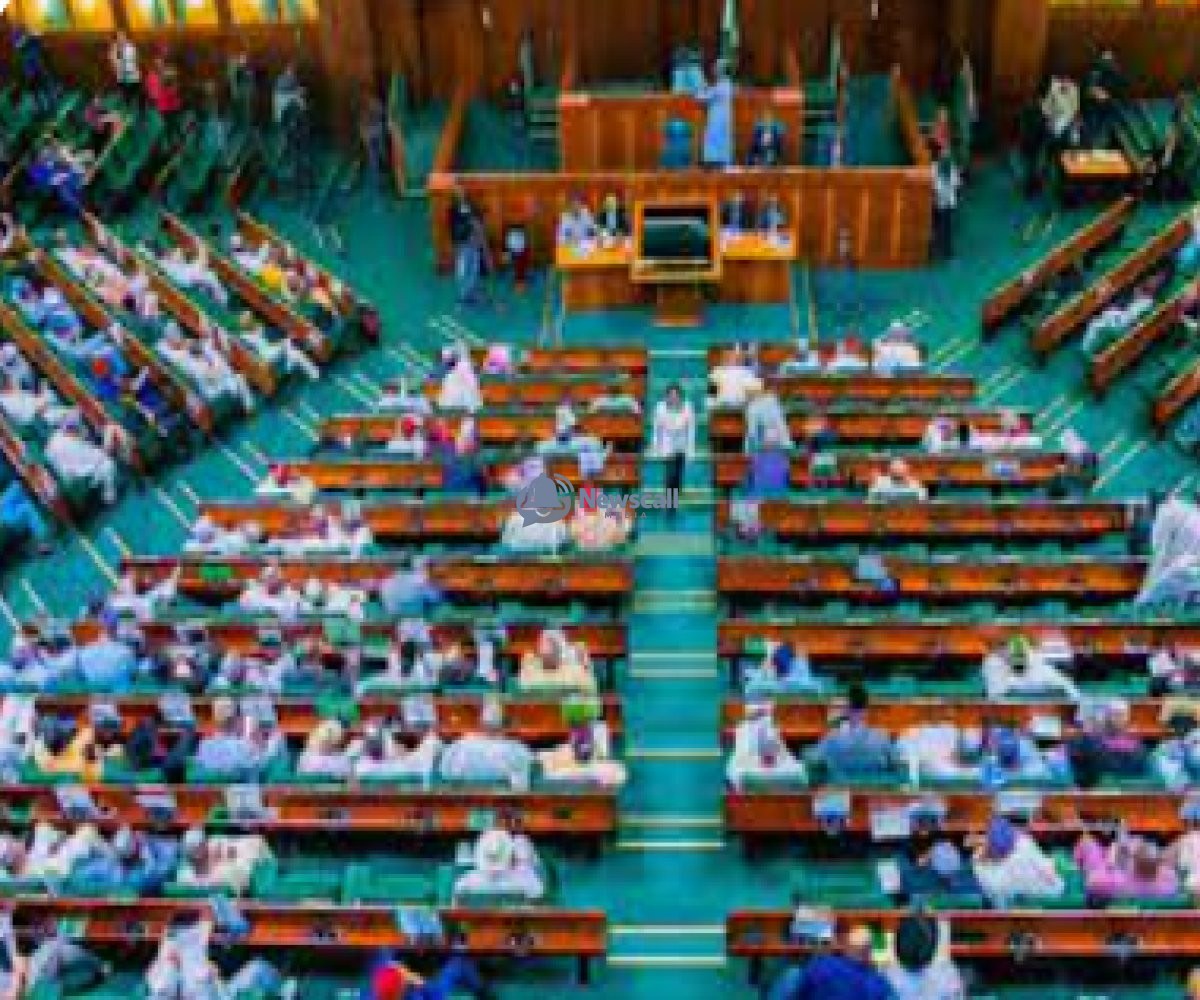
The National Assembly's Constitution Amendment Bill seeks to move policing from the Exclusive Legislative List to the Concurrent List, enabling states to establish their own police services once the amendment receives the approval of at least two-thirds of state Houses of Assembly and other constitutional requirements.
The proposal has generated nationwide debate. Supporters argue that state police will improve local security and intelligence gathering, while critics fear it could become a tool for political intimidation if not properly regulated.
The conversation comes as Nigeria continues to battle terrorism, kidnapping, banditry and other violent crimes across several regions, increasing calls for reforms in the country's security architecture.
Okiro believes state policing offers Nigeria an opportunity to strengthen security through local ownership and faster response to crime. While acknowledging legitimate concerns about political interference, he insists that robust constitutional safeguards, independent oversight and national policing standards can prevent abuse.
According to the former police chief, decentralising policing is not a cure-all for Nigeria's security challenges, but it represents a practical step toward building a more responsive, accountable and effective law enforcement system capable of addressing the country's evolving security needs.

Nwekwe Esther Amarachukwu
Public speaker,Research-driven writer covering politics and public affairs, committed to accuracy, and meaningful public discourse.