


The Shipping Container: The Invention That Made Globalization Possible
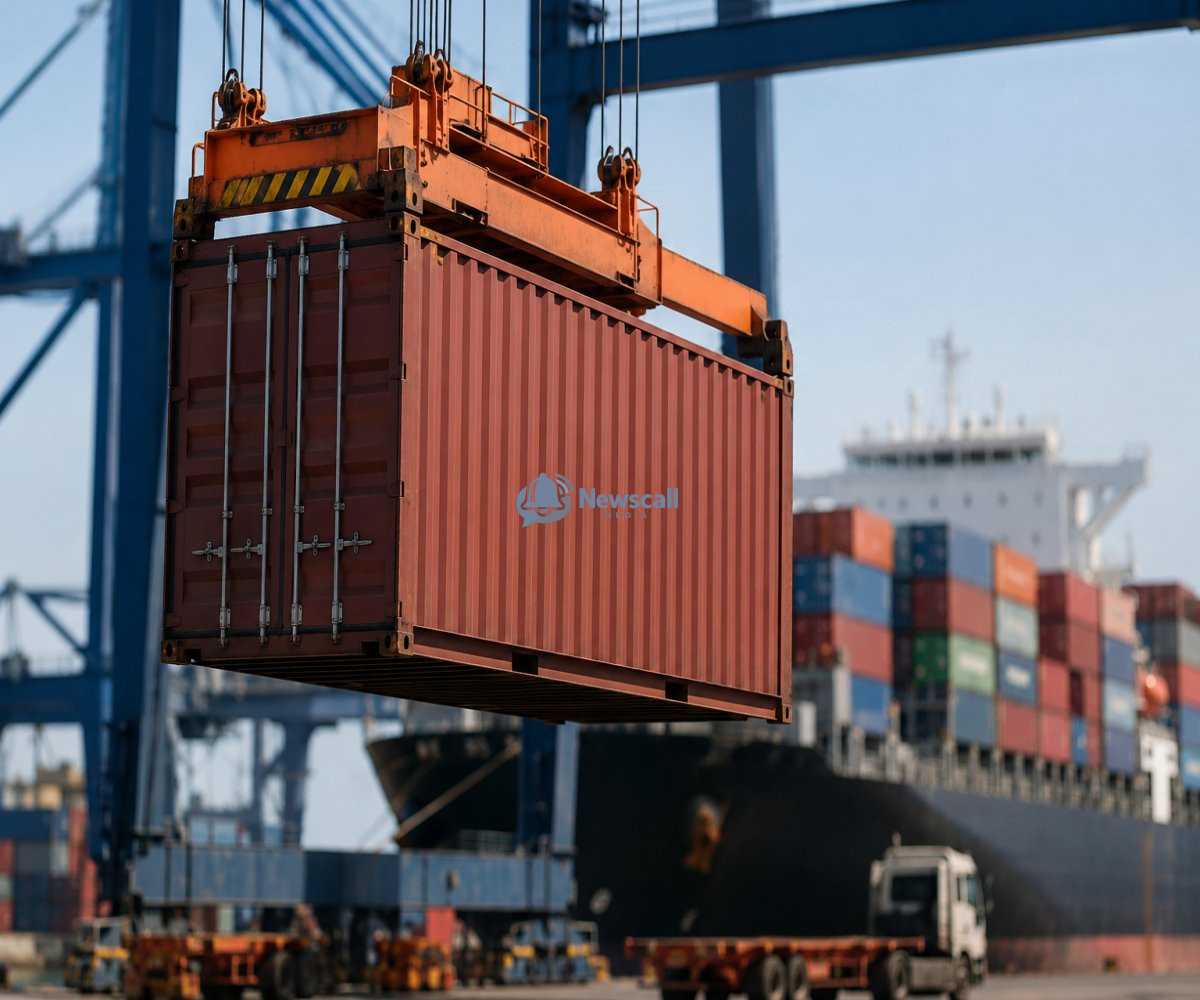
When people think about world-changing innovations, they often picture smartphones, airplanes, or the internet.
Few would point to a large metal box stacked on a cargo ship.
Yet the shipping container is one of the most important innovations in modern history. It transformed global trade, reduced transportation costs, accelerated economic growth, and helped create the interconnected world we live in today.
The remarkable part is that most people never think about it.
Before shipping containers, moving goods across the world was slow, expensive, and chaotic. Cargo arrived at ports in thousands of different shapes and sizes. Workers had to manually load and unload individual boxes, sacks, barrels, and crates one by one.
A ship could spend more time sitting in a port than traveling across the ocean.
The process was labor-intensive, inefficient, and vulnerable to theft and damage. Businesses faced high transportation costs, making international trade difficult and expensive. Moving products between countries was often more complicated than manufacturing them.
Then came a surprisingly simple idea.
What if cargo could be packed into a standard-sized container and remain sealed until it reached its final destination?
Instead of handling thousands of individual items, workers could move entire containers. A container could be loaded onto a truck, transferred to a train, placed on a ship, and then delivered to its destination without ever unpacking the goods inside.
Today, that sounds obvious.
At the time, it was revolutionary.
The true breakthrough wasn't the container itself—it was standardization. Once containers were built to common dimensions, ports, ships, cranes, trucks, and rail systems could all be designed around the same format.
Suddenly, transportation became faster, cheaper, and more predictable.
What once took days could now be completed in hours.
As shipping costs fell, businesses gained access to global markets. Manufacturers could produce goods in one country and sell them in another with unprecedented efficiency. Products became more affordable, companies expanded internationally, and supply chains stretched across continents.
The modern global economy began to take shape.
Today, nearly everything we use—from electronics and clothing to furniture and household goods—has likely traveled inside a shipping container at some point.
The shipping container teaches an important lesson about innovation.
Not every breakthrough requires advanced technology. Sometimes the most powerful innovations come from simplifying a process rather than making it more complex.
A steel box doesn't look revolutionary.
It doesn't capture headlines or inspire futuristic predictions.
Yet by solving a fundamental logistical problem, it reshaped international commerce and helped connect economies across the globe.
Every day, millions of shipping containers move silently across oceans carrying the products that power modern life.
Most people never notice them.
But without the shipping container, globalization as we know it would not exist.
It's a reminder that some of history's greatest innovations aren't the most glamorous.
They're the ones that quietly make everything else possible.

Victor Oluebubechukwu Akuma.
Creative writer