

US Report Says 30,000 Armed Fulani Militants Are Driving Nigeria’s Worsening Security Crisis
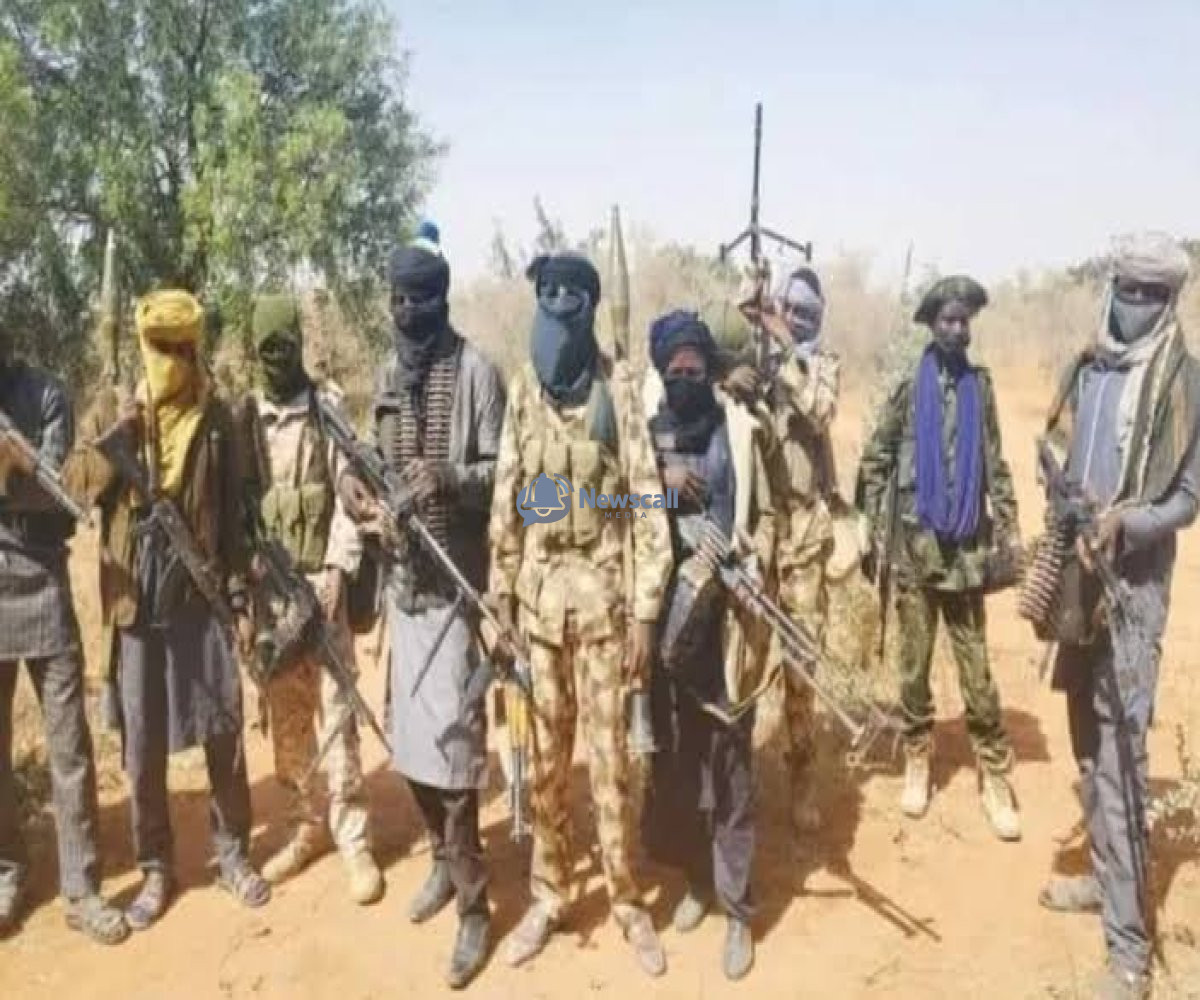
US Report Says 30,000 Armed Fulani Militants Are Driving Nigeria’s Worsening Security Crisis
A new report by the United States Commission on International Religious Freedom (USCIRF) has raised fresh concerns about Nigeria’s deteriorating security situation, claiming that approximately 30,000 armed Fulani militants are currently operating across various parts of the country. The commission described the groups as among the most dangerous non-state actors responsible for killings, kidnappings, displacement and violations of religious freedom, particularly in the Middle Belt and parts of southern Nigeria. The report adds a new dimension to the ongoing debate over the causes of insecurity and the effectiveness of government efforts to restore peace in affected communities.
According to the report titled “Nonstate Violators of Religious Freedom in Nigeria: Fulani Militants,” the armed groups operate in different formations, ranging from small units of about ten fighters to larger groups numbering as many as 1,000 members. USCIRF stated that violence linked to the militants resulted in more deaths over the past year than attacks carried out by insurgent organisations and criminal gangs. The commission noted that although many of the victims were Christians, Muslim communities have also suffered attacks, kidnappings and other forms of violence.
The report explained that the militants do not function under a single command structure. Instead, they operate through separate networks with varying motivations and objectives. While some groups carry out attacks independently, others reportedly collaborate with criminal gangs and extremist organisations. USCIRF said attackers frequently target rural communities at night, arriving on motorcycles and armed with assault rifles and machetes. Their operations, according to the commission, are often designed not only to kill but also to create fear and force residents to abandon their ancestral lands.
The humanitarian impact outlined in the report is significant. USCIRF estimated that attacks by Fulani militants and other armed groups have displaced at least 1.3 million people across central Nigeria. Many of those displaced now live in overcrowded camps where access to healthcare, sanitation, education and security remains inadequate. The commission highlighted several deadly incidents recorded in 2025 and early 2026, including an attack in Benue State that reportedly left at least 200 people dead, among them internally displaced persons sheltering in a Catholic mission. The report also referenced the Yelwata massacre in Benue, where more than 200 Christians, mainly women and children, were reportedly killed while thousands were forced to flee.
USCIRF further documented attacks that allegedly coincided with major Christian religious celebrations. According to the report, some assaults were carried out during Christmas, Palm Sunday and Easter periods to maximise psychological impact on victims. One incident cited involved attacks on churches in Kaduna State during Easter celebrations, where worshippers were reportedly killed and several others abducted. However, the commission stressed that Muslims have also been targeted. It pointed to a case in Plateau State where armed men reportedly kidnapped an imam and several worshippers from a mosque before demanding ransom for their release.
The report arrives at a time when insecurity remains one of Nigeria’s most pressing national challenges. For years, analysts have disagreed on the root causes of the violence. Some argue that environmental degradation, population growth, competition for farmland and grazing routes, and economic hardship are the primary drivers. Others believe the attacks are increasingly influenced by religious and ethnic tensions. USCIRF concluded that the crisis is fueled by multiple overlapping factors, making it difficult to attribute the violence to a single cause.
The commission also criticised the response of security agencies, noting longstanding complaints from affected communities that security forces often arrive after attacks have occurred. It further referenced allegations by some Christian groups that investigations and security operations have not always been conducted in a manner perceived as impartial. Despite these concerns, the report acknowledged recent efforts by authorities to tackle the crisis, including military operations that reportedly led to the rescue of hundreds of hostages and the arrest of suspected militants. It also noted that several governors have promoted ranching initiatives as a way of reducing clashes between farmers and herders.
Additionally, USCIRF highlighted growing international attention on Nigeria’s religious freedom record. The report referenced policy actions taken by the United States and legislative proposals seeking greater accountability for individuals and organisations accused of involvement in religiously motivated violence. Meanwhile, the Miyetti Allah Cattle Breeders Association of Nigeria has continued to deny allegations linking it to criminal activities, insisting that it neither sponsors nor supports violence.
The USCIRF report presents a stark assessment of Nigeria’s security landscape, warning that violence linked to armed Fulani militant groups remains a major threat to peace and stability. Beyond the casualty figures and displacement statistics lies a deeper challenge: the growing fear and uncertainty faced by communities that have endured years of attacks and insecurity. While government operations and peace initiatives have achieved some results, the report suggests that lasting solutions will require stronger security responses, improved justice mechanisms and sustained efforts to address the social, economic and political conditions that continue to fuel conflict. Until then, large parts of central Nigeria may remain trapped in a cycle of violence that shows little sign of ending.

Nwekwe Esther Amarachukwu
Public speaker,Research-driven writer covering politics and public affairs, committed to accuracy, and meaningful public discourse.